Best Next.js Headless eCommerce Platforms in 2026
Compare Next.js headless eCommerce platforms for your next online store and evaluate the best fit for your architecture.


Medusa.js at scale is more than a commerce setup. It is a robust architecture, custom integrations, checkout, performance, resilience, and the layer that unifies content with commerce. Open-source ownership stays with you, which matters when you need to build for regulated environments and other high-risk use cases without depending on a proprietary platform.
If you need Medusa.js built for production, not prototypes, we can help.

.png&w=1920&q=90)
Medusa.js gives complex commerce platforms a self-hosted, open-source foundation with modular commerce services that you can shape around real business requirements. That’s the right architecture for the problem.
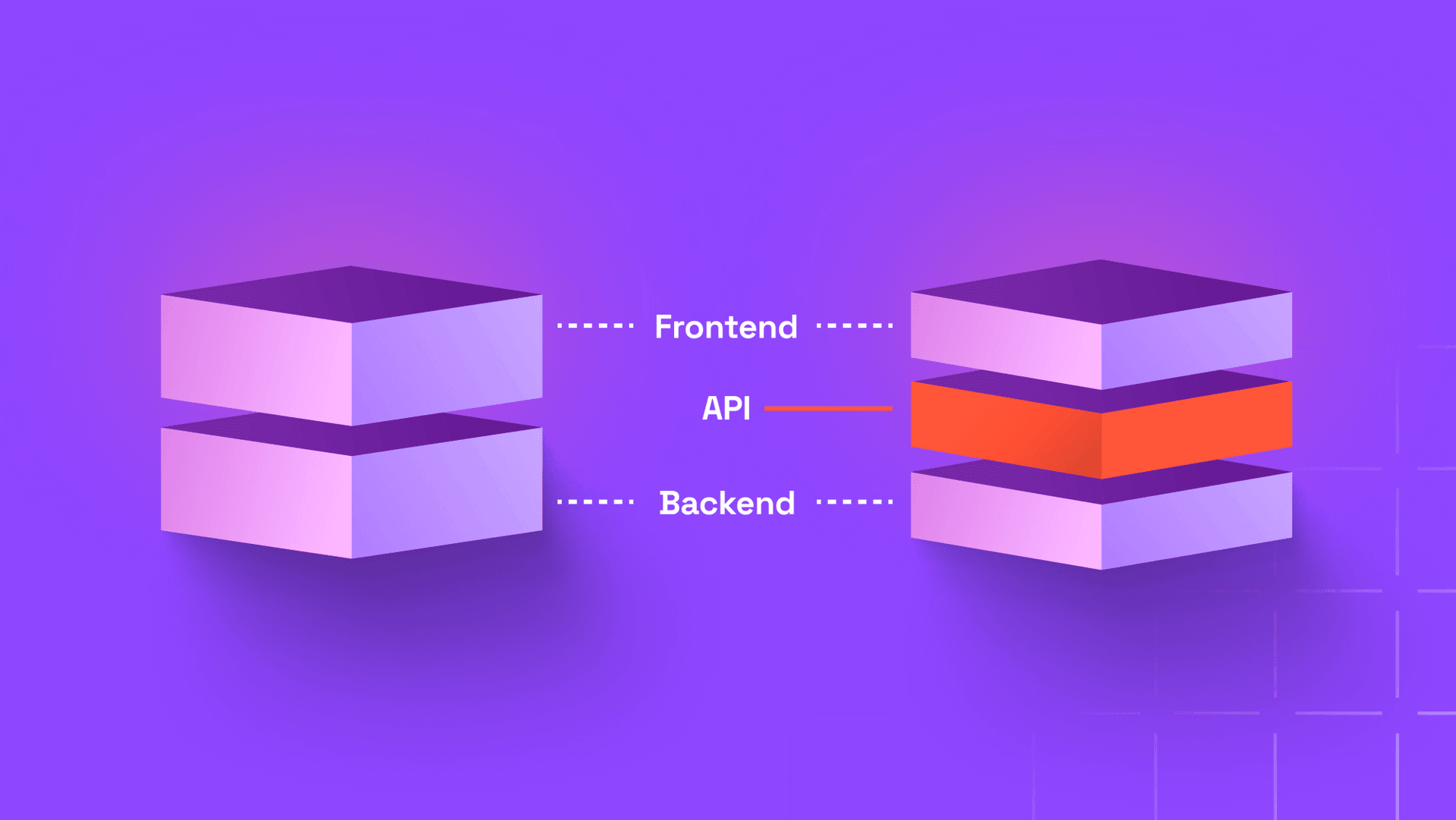
Content-commerce architecture works best when editorial and commercial concerns share the same platform boundary, not the same codebase. Next.js handles the presentation layer, a CMS like Payload keeps content modelling and publishing separate, and Medusa.js runs the commerce layer behind it. The result is one operating model for editors and merchandisers without tightly coupling the stack.
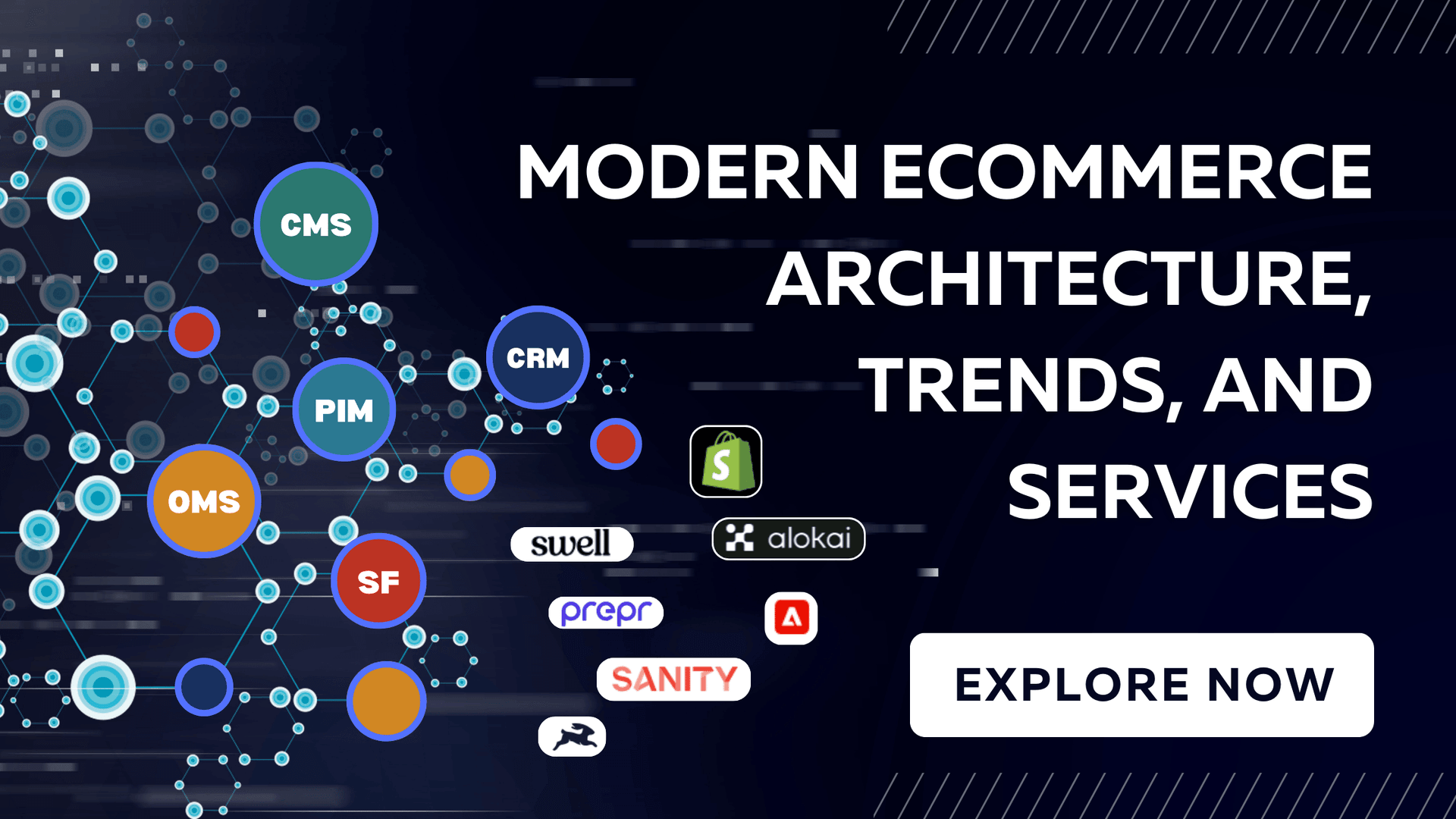
Medusa.js becomes more valuable when it sits at the center of the commerce stack, not on its own. We connect it to your CMS, payments, shipping, tax, analytics, CRM, ERP, and PIM so product data, orders, and customer records stay in sync across the systems your team already uses. The integration layer is the part that's easy to get wrong, and that's where the right architecture keeps the whole stack reliable.
Next.js 16 gives you a cleaner way to build for speed under real load. Partial Prerendering and Cache Components let you keep the critical path fast, serve personalized content without rebuilding everything, and protect SEO when traffic spikes. That’s the right architecture when performance and resilience both matter.
Commerce platforms in regulated or high-risk verticals have less room for error. Payment providers, vendor policies, tax rules, and shipping constraints all shape what you can ship and where you can operate. The right build accounts for those limits from day one, with long-term ownership baked into the architecture.
We build Medusa.js systems that fit the business, not a single vendor’s constraints.

We design Medusa.js around the surrounding stack — Next.js, CMS, payments, shipping, tax, analytics, and operational systems — so the commerce architecture stays flexible as requirements change. The part that's easy to get wrong is treating the engine as the whole system. It isn't.

Performance and technical SEO are our defaults, not a frontend polish pass.In Next.js 16, Partial Prerendering and Cache Components let you ship fast category pages, product detail pages, carts, and checkout flows without turning the whole experience into a client-side app. We focus on Core Web Vitals, server rendering where it matters, and tight data fetching around cart and checkout so the storefront feels immediate when shoppers are ready to buy.

We build on owned infrastructure when teams need control over deployment, monitoring, and production visibility. That means self-hosted environments, repeatable release workflows, production observability, and the operational ownership required to keep systems running under real load.

Pragmatic AI-assisted delivery means using AI where it speeds up real work without handing control to black-box tools. We use it for catalog migration support, schema planning, integration scaffolding, QA assistance, and support workflows — the parts of delivery where speed matters, repetition adds risk, and good engineering judgment still has to stay in the loop. That gives clients faster builds without locking them into opaque systems or brittle workflows they can't own. The part that's easy to get wrong is treating AI as the architecture instead of an accelerant. We don't do that. We use it to move faster, keep the codebase understandable, and leave you with systems your team can maintain.

Commerce sites live or die on the quality of the content and operations layer around the store. We do not lock clients into one CMS vendor, because the right setup depends on how your team edits, approves, and syndicates content. Medusa.js works well with Payload, Sanity, or Storyblok depending on editorial needs. The result is a commerce stack that stays flexible for your team and structured for scale.

We migrate legacy commerce platforms without disrupting the business. Products, customers, orders, redirects, integrations, and QA are handled in one plan, so the move to production stays controlled and the team knows exactly what changed.


As a Medusa.js headless cms agency, we help teams build commerce platforms that fit the way they actually sell. That means planning the architecture, integrations, and editorial workflow together — so content and commerce are designed from the start, with the CMS chosen for editorial needs rather than forced to fit the storefront.
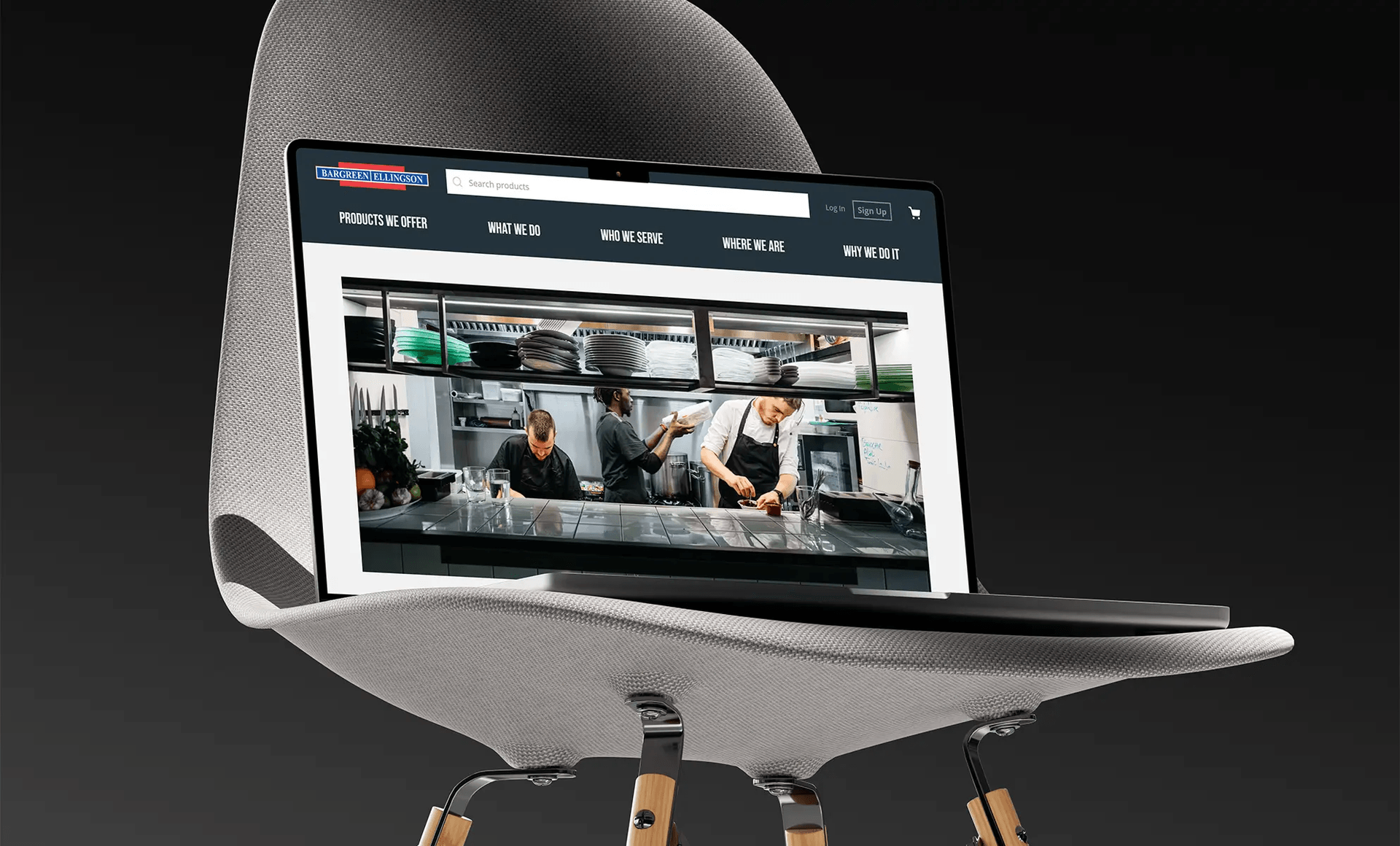
Whether you're moving off a legacy commerce stack or rebuilding on Medusa.js, the architecture can pair it with Payload, Sanity, Storyblok, or a custom content layer depending on the project. Medusa.js stays the commerce engine underneath. The CMS is chosen to fit the editorial workflow, not force it.
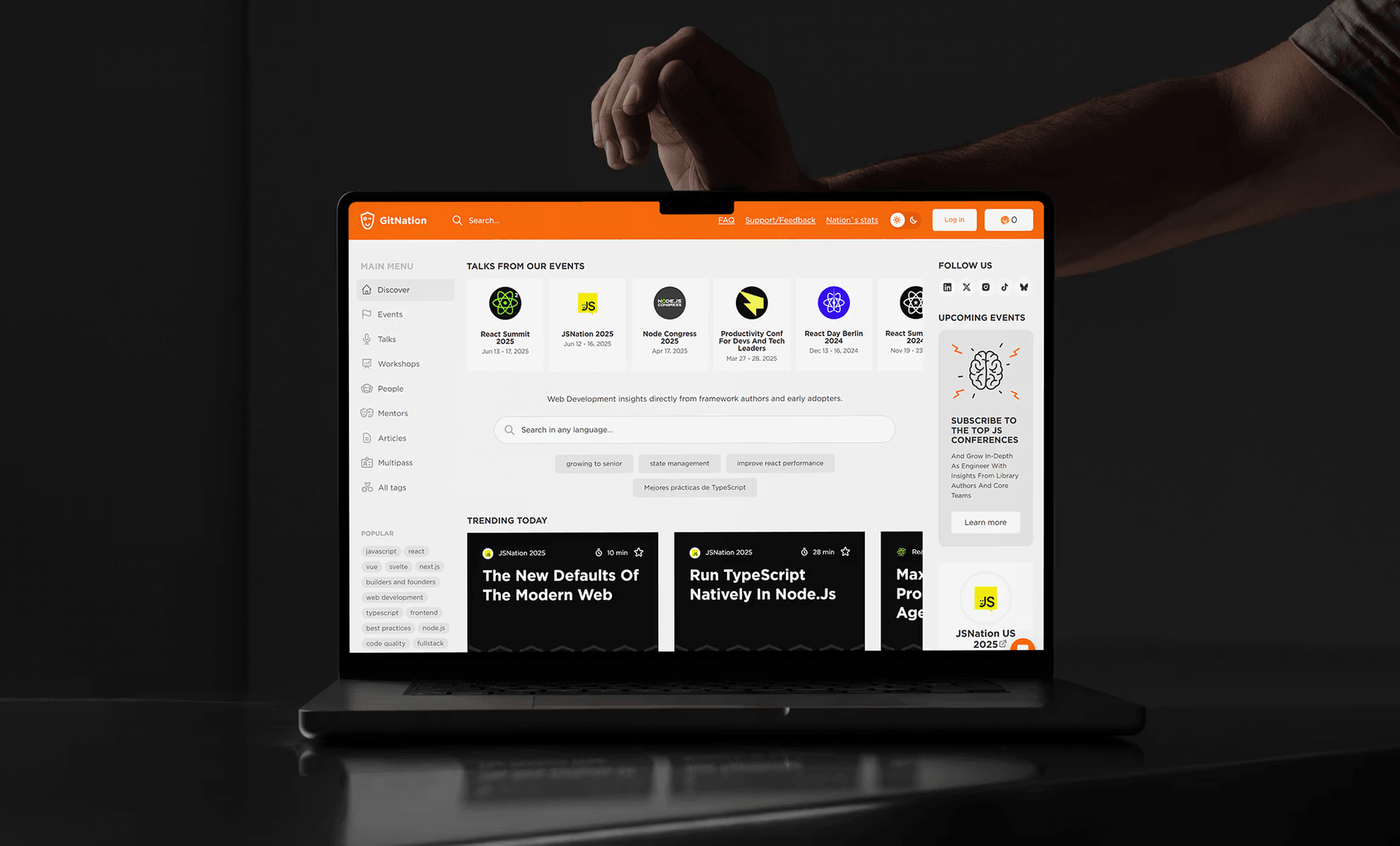
We build Medusa.js storefronts around the parts that need real engineering: a Next.js front end tuned for speed, analytics that actually inform decisions, maintainable code that scales with the team, and checkout flows designed to convert without adding unnecessary complexity. We deliver a custom Next.js storefront built for performance, maintainability, and clean integration with your commerce stack.


A real-time, API-first headless CMS known for its powerful content modeling, live collaboration, and developer-friendly customization. View expertise

A full-stack TypeScript CMS and app framework. Offers custom schemas, authentication, file management, and advanced admin UI out of the box. View expertise

A visual-first headless CMS combining a real-time visual editor with a component-based content model. View expertise.

An open-source data platform that turns SQL databases into a fully configurable headless CMS. View expertise

An enterprise-grade, cloud-native CMS offering robust APIs, localization, and structured content modeling. View expertise

The leading open-source headless CMS. Built on Node.js, it offers a fully customizable admin panel, an extensive plugin ecosystem, and complete data ownership through self-hosting capabilities.
I found FocusReactive through ChatGPT and chose them because of their geographic proximity and the exact tech stack we needed.
The team took charge of the research, concepting, planning, and development of our entirely new platform. FocusReactive successfully delivered a fully functional headless website.
From a project management standpoint, FocusReactive has done an amazing job. Everything has been very well communicated via our virtual meetings, and the team has always met deadlines. What impressed me most is that FocusReactive has understood the needs of the project, been flexible, and has brought high-skilled developers. The main project is finished, but we will definitely continue development with them in the future.

"We had the opportunity to work with FocusReactive in a headless ecommerce project that involved using Crystallize, Nextjs, Vercel, and Shipmonk to create a full-features headless storefront with a super fast loading speed and exceptional user experience. We truly enjoyed working with the FocusReactive team: they had excellent communication and organization, and the end product was above our expectations. We are looking forward to engaging the team again in the future!"

.jpg&w=1920&q=90)


Medusa.js FAQ: the questions teams ask before starting a project
Medusa.js is used to build custom commerce architecture: storefronts, checkout flows, product and order management, integrations, and multi-brand commerce experiences that need more control than SaaS platforms usually allow.
It is the right choice when the brief calls for a tailored commerce stack, not a template. You get the flexibility to shape the storefront, the backend workflows, and the integrations around the business instead of forcing the business into the platform.
No — Medusa.js is not a CMS. It is a commerce engine built for custom integrations, and we routinely connect payments, fulfillment, tax, CRM, analytics, and content systems. When editorial workflows are needed, it is commonly paired with a CMS such as Payload, Sanity, or Storyblok.
Yes — Medusa.js can work with Payload, Sanity, or Storyblok. The right CMS depends on how much editorial complexity you need, how structured your content is, and how your team wants to work day to day.
Yes. Medusa.js is a good fit when commerce teams need ownership, custom business logic, deeper integration work, auditability, and control over the stack.
It works best when the catalog, pricing, promotions, fulfillment, or approval flows do not fit neatly inside a packaged platform. In those cases, Medusa gives your team the room to model the commerce layer around the business, not around vendor constraints.
That matters in regulated or higher-risk verticals too — for example, healthcare supply chains, B2B industrial supply, pharmaceuticals, and financial services products where order rules, permissioning, traceability, or integration with ERP and compliance systems need to be explicit. The part that's easy to get wrong is assuming a headless platform removes complexity. It doesn't. It gives you more control over where that complexity lives.
If your team needs a system you can extend, inspect, and shape around your own controls, Medusa is a strong option. If you want a managed commerce suite with less engineering ownership, it's usually the wrong tradeoff.
Yes — you can migrate from Shopify, Magento, or WooCommerce to Medusa.js.
The usual migration scope includes products, customers, orders, content, redirects, integrations, and SEO. We map the data, move what matters, and make sure the storefront and backend are aligned before cutover.
The part that's easy to get wrong is the operational detail: discounts, customer history, URL structure, and third-party integrations all need to be handled deliberately. Done properly, the move gives you a modern stack and a maintainable codebase without losing the essentials.
Timelines depend on scope, integrations, data migration, and approval cycles.
A focused Medusa.js storefront rebuild can move quickly. A full platform migration with content and commerce usually takes longer.
Most projects land in the 8–16 week range for a focused build and 4–6 months for a more complex replatforming. The part that's easy to get wrong is underestimating integration work, redirect planning, and data migration.
If you're rebuilding just the storefront, the work is more contained. If you're moving from an existing commerce stack, the timeline expands.
A Medusa.js agency is worth hiring when the work goes beyond standard storefront implementation. Medusa is flexible, but that flexibility only helps if the architecture is designed around your catalog, pricing rules, fulfillment flows, and integration boundaries from the start.
A generic dev team can build the interface. A team that knows Medusa can build the commerce backbone around edge cases like complex tax rules, multi-region pricing, custom checkout logic, ERP and PIM integrations, and migration paths from Shopify or a legacy platform without breaking production.



.png&w=1920&q=90)