
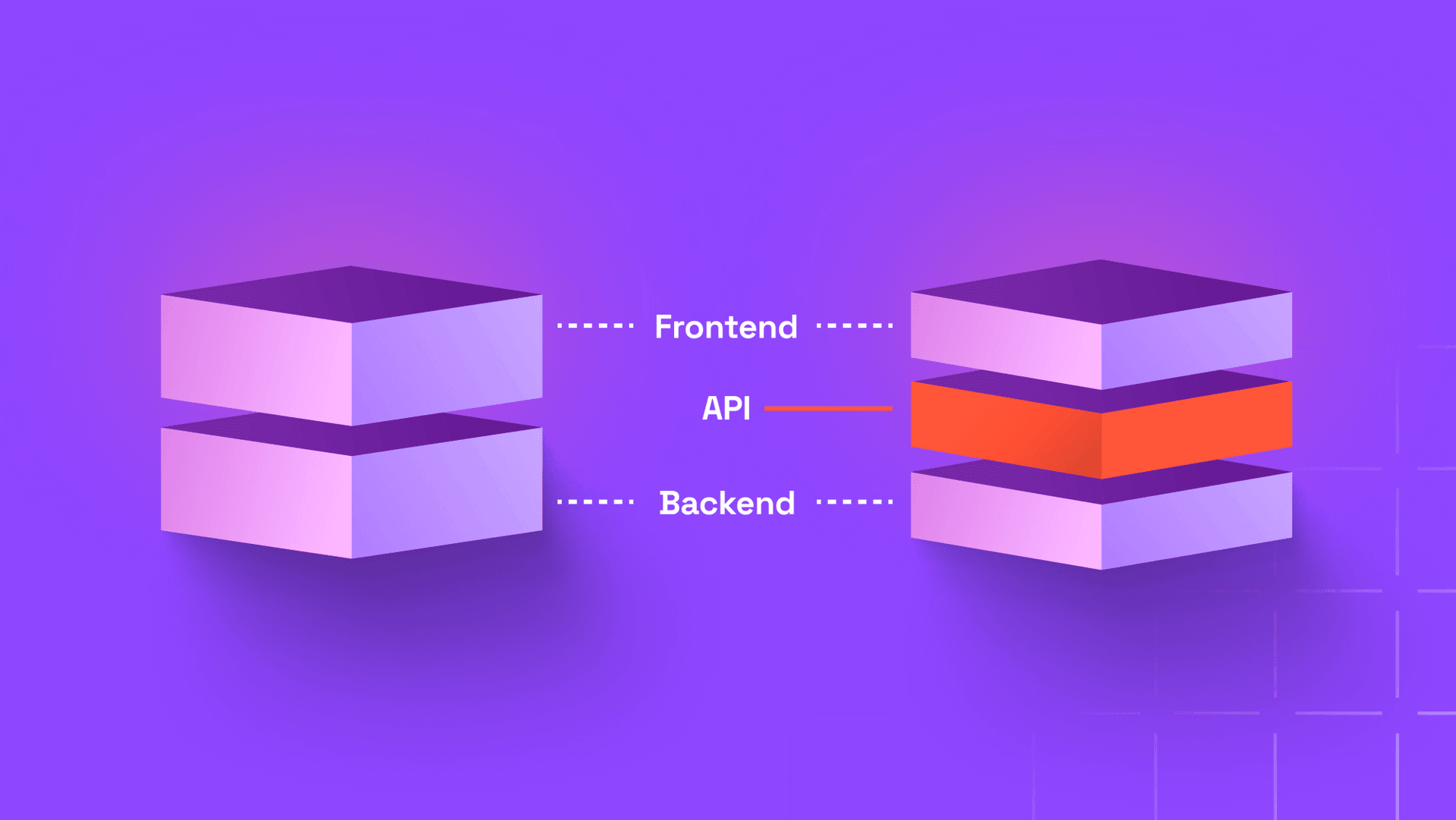

Best Headless Choosing the right platform is critical when building headless eCommerce solutions with Next.js and modern composable architectures.
In 2026, the market clearly favors API-first, composable, and developer-centric commerce platforms. Based on our implementation experience, four platforms consistently stand out:
- MedusaJS - Best for fully custom composable builds
- Shopify Hydrogen - Commercially mature SaaS leader
- Swell - Flexible API-first commerce backend
- Crystallize - Strong product modeling + commerce-native CMS
Below, we explore these platforms in detail, followed by enterprise-grade alternatives and a comparison table.
Top Headless eCommerce Platforms in 2026
1. MedusaJS
 Medusa
Medusa is an open-source, developer-first headless commerce platform built with TypeScript and modular architecture.
It is one of the strongest foundations for fully custom commerce applications where flexibility, ownership, and long-term scalability matter more than launch speed.
Medusa is an open-source, developer-first headless commerce platform built with TypeScript and modular architecture.
It is one of the strongest foundations for fully custom commerce applications where flexibility, ownership, and long-term scalability matter more than launch speed. For teams evaluating implementation partners, our guide to Medusa headless commerce agencies covers agencies with experience building and integrating Medusa-based commerce solutions.
Pros
- Open-source (MIT license) with full backend extensibility
- Modular plugin architecture
- Built with TypeScript for modern stacks
- No GMV-based pricing
- Ideal for custom checkout logic and complex workflows
- Strong traction in composable commerce builds
Cons
- Requires experienced development team
- More initial setup compared to SaaS platforms
- Admin UI less polished than enterprise SaaS
2. Shopify (Hydrogen & Oxygen)
 Shopify Hydrogen
Shopify Hydrogen remains the most commercially mature SaaS commerce backend.
With Hydrogen and Oxygen, it enables performant headless storefronts while leveraging Shopify’s global infrastructure.
Best suited for fast-growing DTC brands prioritizing ecosystem maturity and operational stability.
Pros
- Proven scalability
- Large ecosystem of apps and integrations
- Hydrogen optimized for modern React workflows
- Fast time-to-market
- Enterprise support with Shopify Plus
Cons
- Checkout customization limitations (unless Plus)
- API rate limits in complex builds
- Costs scale with GMV and apps
- Backend logic less flexible than open-source solutions
3. Swell
 Swell
Swell
Swell is a flexible API-first commerce platform designed specifically for headless architectures.
It offers more backend customization than Shopify while maintaining managed SaaS infrastructure.
Pros
- API-first architecture
- Flexible product modeling
- Strong subscription capabilities
- No strict checkout limitations
- Good balance between SaaS and flexibility
Cons
- Smaller ecosystem than Shopify
- Higher technical barrier
- Less enterprise adoption
4. Crystallize
 Crystallize
Crystallize is a commerce-native headless platform combining advanced product modeling with built-in CMS capabilities.
It is particularly strong for structured, content-driven commerce experiences.
Pros
- Advanced product modeling
- GraphQL-native API
- Built-in CMS layer
- Clean developer experience
- Excellent for complex product structures
Cons
- Smaller ecosystem than Shopify
- Less widespread adoption
- Learning curve for new teams
Enterprise Headless Commerce Platforms
While the platforms above cover most modern commerce use cases, some organizations require enterprise-grade composable infrastructure.
Commerce tools
 Commercetools
Commercetools is a fully composable, API-first commerce platform designed specifically for enterprise-level implementations.
It is commonly used by global brands operating across multiple regions, currencies, catalogs, and B2B/B2C hybrid models.
Strengths
- Fully modular and composable architecture
- Designed for complex multi-market operations
- Strong support for multi-region, multi-currency, and multi-store setups
- Enterprise-grade scalability
- Mature ecosystem for global commerce
Limitations
- High implementation and licensing cost
- Requires experienced architecture team
- Longer time-to-market
- Overkill for small or mid-market brands
BigCommerce
 BigCommerce
BigCommerce provides a SaaS commerce backend with headless API capabilities.
Strengths
- Stable SaaS backend
- Multi-storefront capabilities
- Strong B2B features
- Lower implementation complexity than enterprise composable stacks
Limitations
- Headless tied to SaaS data structures
- Revenue-tier pricing
- Less backend extensibility compared to composable-first platforms
Vendure
 Vendure
Vendure is a TypeScript-first, GraphQL-native headless commerce framework built on Node.js.
Strengths
- TypeScript-native
- GraphQL-first API
- Highly extensible plugin architecture
- Strong developer control
Limitations
- Smaller ecosystem
- Requires experienced engineering team
Saleor
 Saleor
Saleor is a GraphQL-first headless commerce platform with a Python backend.
Strengths
- GraphQL-native architecture
- Advanced pricing and product modeling
- Strong PWA support
- Active open-source ecosystem
Limitations
- More complex deployment
- Requires backend expertise (Python stack)
Platform Comparison
| Platform | Flexibility | Ecosystem | Cost Model | Best For |
|---|---|---|---|---|
| MedusaJS | Very High | Growing | Open-source | Fully custom composable builds |
| Shopify | Medium | Very Large | GMV + Apps | High-growth DTC brands |
| Swell | High | Medium | SaaS subscription | Subscription & hybrid models |
| Crystallize | High | Medium | SaaS | Content-driven commerce |
| Commercetools | Very High | Enterprise | Enterprise pricing | Global enterprise commerce |
How to Choose the Right Platform
Your decision should depend on:
- Level of customization required
- Team’s technical maturity
- Long-term scalability goals
- Budget model preference
- Business complexity (DTC vs B2B vs marketplace)
- If you need full backend control → MedusaJS
- If you want ecosystem maturity → Shopify Hydrogen
- If you need flexible SaaS backend → Swell
- If content modeling is critical → Crystallize
Work with us
At FocusReactive, we architect and build high-performance headless commerce platforms using Next.js and composable commerce backends.
We help brands:
- Migrate from legacy monolith platforms
- Design scalable composable architectures
- Build custom checkout and pricing logic
- Optimize performance for Core Web Vitals
- Future-proof commerce infrastructure
If you are evaluating a headless commerce migration or planning a composable build, we can help define the right architecture from day one.
Contact us to discuss your Next.js headless commerce project
.png&w=828&q=90)








.png&w=828&q=90)
