Custom eCommerce ChatGPT Apps
This article introduces an SDK for building custom ChatGPT shopping assistants with full ownership and zero commission.


Shopify is a great platform - until it isn't. At some point the apps stack up, the checkout stops doing what you need, and the platform fee starts feeling like a tax on your own growth. That's usually when teams start looking at MedusJS
We've helped those teams make the move. And the ones who do it well share one thing in common: they treat it as an engineering project, not a lift-and-shift. The architecture is different, the flexibility is real, but it requires thinking through your setup properly before touching anything.
That's what we do

B2B flows, custom pricing, subscription logic - none of it fits cleanly into what Shopify gives you. You end up with workarounds that work until they don't

Every new requirement is another plugin, another dependency, another thing to maintain. At some point the complexity costs more than it solves

The bigger you grow, the more you pay - not for better infrastructure, but just for being on the platform

Theme constraints, limited rendering control, no real freedom over how your storefront actually works


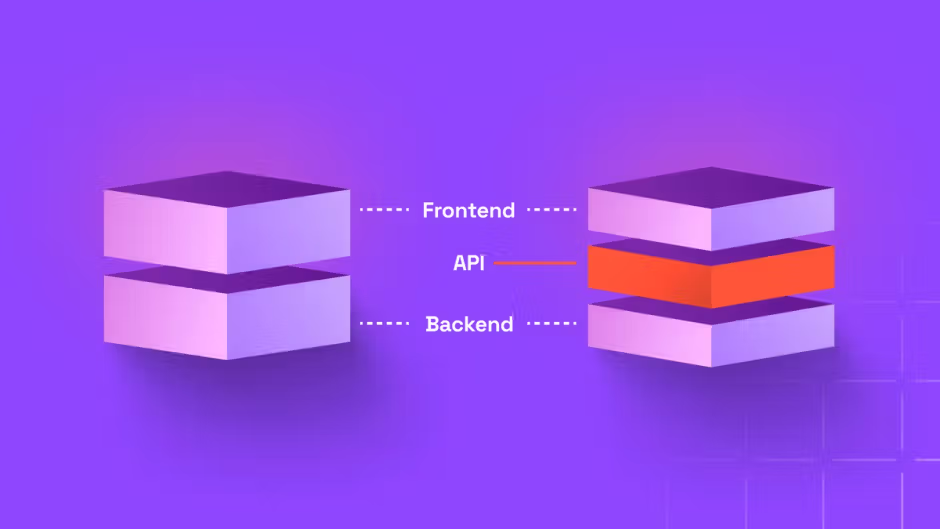
Headless gives you control over how pages load and how users move through your site. We optimize page structure and data loading to reduce friction where it costs you conversions

B2B logic, subscription handling, complex pricing, validation rules - built into your codebase, not bolted on with apps

ERP, PIM, CMS, search, and payments connected as proper services - not webhooks and workarounds

When content, pricing, and merchandising changes don't require backend deploys, your team moves faster
We design content models, editorial workflows, and governance into the architecture from day one to make you CMS clean and usable as your team, markets, and channels grow.
Editorial UX boosts your marketing team's speed and freedom. They can build pages, launch campaigns, and manage content without needing developer help.

Each project includes a complete SEO + LLM optimization. Performance baseline as standard: Core Web Vitals, structured data, rendering strategy, and AI SEO setup.
Already live? Our Next.js SEO audit gives you an actionable, dev-ready assessment of where you stand.

90% of our projects fit the initial budget. That comes from the time we invest upfront — understanding exactly what we're building before a single line of code is written.
Our CMS Kit has page builders, navigation, localization, content models, and SEO settings. It boosts every engagement. Plus, it won’t limit your choices. It's a smart starter refined across dozens of production deployments, not a constraint.

What we get asked about this migration
It depends on catalog size, integration complexity, and how much custom checkout logic you have. After a technical call, we scope it clearly and give you a Time & Material estimate.
Most projects land between 8 and 16 weeks. The main variables are data volume, integration depth, and how much custom commerce logic needs to be rebuilt
Not if migration is handled correctly. We map URLs, preserve metadata, and validate redirects before launch
We audit every app and map its behavior to the new architecture. Some get replaced with native Medusa logic, some get replaced with better integrations, some stay as external services. You'll know the plan upfront
Yes. We design and build high-performance headless storefronts as part of the migration or as a separate phase