Choosing a Headless CMS in 2026: A Straight-Talk Guide
The headless CMS market has matured. The platforms aren't that different on paper — they all promise editorial flexibility, API-first delivery, and developer happiness...

Most teams land here for one of two reasons. Some are launching a new e-commerce brand and need a reliable, battle-tested checkout. Others have outgrown their legacy platforms like Magento or WooCommerce: server costs pile up, maintenance never stops, and the e-commerce operations can’t keep up with the marketing demands.
Shopify answers a lot of that. It’s built for commerce, has an unbeatable checkout experience, a massive app ecosystem, and rock-solid backend infrastructure.
But look closely at what happens when you scale. Almost everything larger teams struggle with on Shopify is about how the frontend is managed, not the e-commerce engine itself. Liquid templates limit your site speed, URL structures restrict your SEO, and adding more apps means adding more third-party JavaScript that kills your Core Web Vitals. In 2026, you shouldn't have to choose between a powerful commerce backend and a blazingly fast, content-rich frontend.


The right setup depends on your content needs, how many international markets you run, and how heavily you rely on organic search and AI-driven workflows.
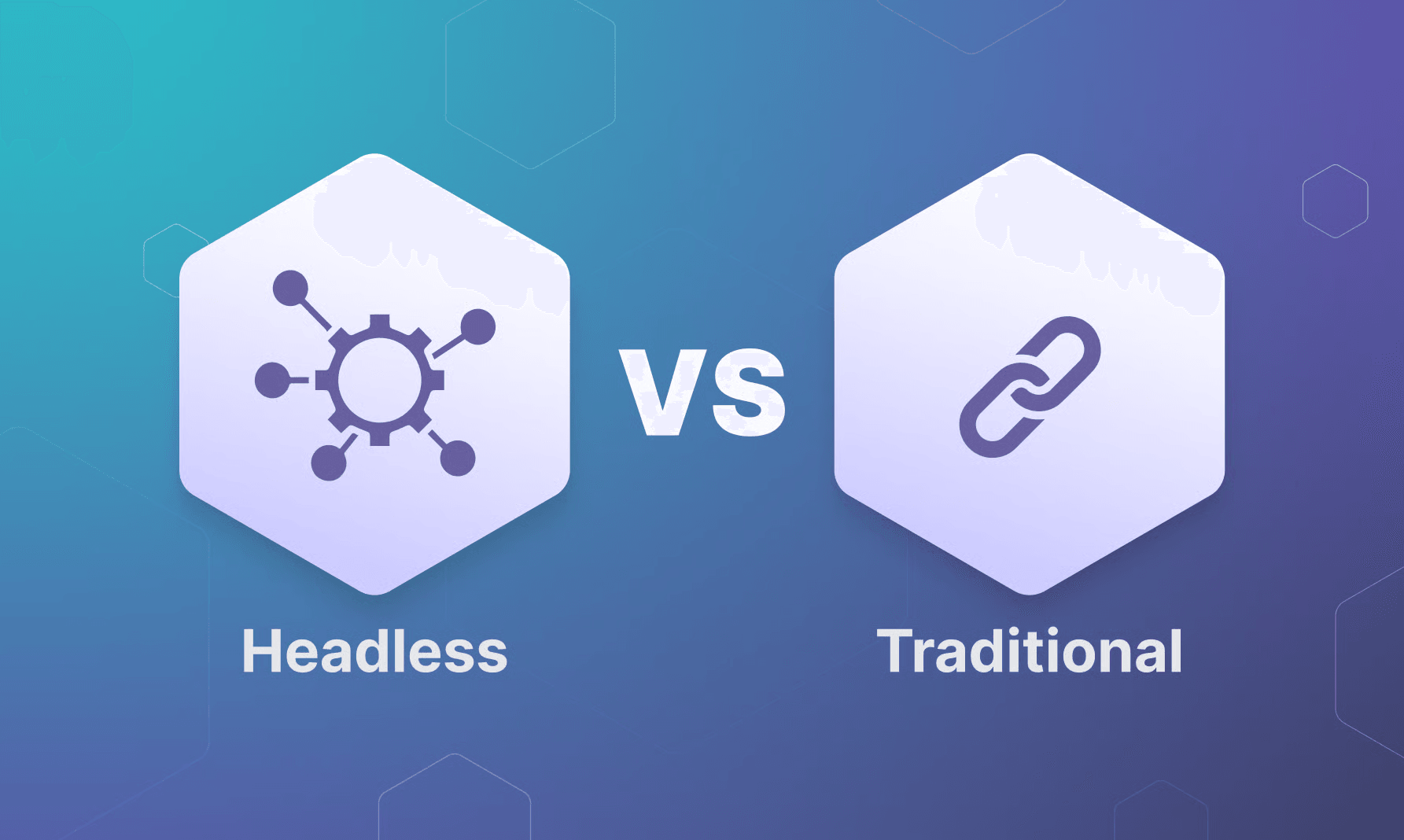
Your commerce architecture choice is hard to undo. The teams that get the most out of it compare their real options upfront instead of defaulting to a standard Shopify theme just because it's familiar. Here's how traditional Shopify compares to Headless Shopify where it matters day to day.
A standard Shopify theme remains a solid choice if you have a simple catalog, operate primarily in one market, have a low budget, or if content marketing and organic SEO are not your primary acquisition channels. If that's your case, we'll tell you so. Our job is an honest recommendation, not a particular stack.
We review your business goals, content complexity, catalog size, and current legacy site. You get a clear, engineer-led recommendation before you commit to anything.
We map out the content structure (Headless CMS + Shopify integration), architecture, migration path, and detailed T&M timeline. Upfront detailed estimations mean no surprises once work starts.
As an expert Headless CMS and Next.js development company, we migrate your content and catalog to a modern headless stack. We keep Shopify doing what it does best (checkout, inventory) while building your templates as reusable React components.
We connect Shopify’s Storefront API with platforms like Sanity, Storyblok, or Payload CMS. We integrate your search, PIM, and ERPs, ensuring performance and AI SEO as defaults.
We train your team on the new modern content operations setup and provide documentation so they can manage campaigns and catalogs independently from day one.

We design content models, editorial workflows, and governance into the architecture from day one to make your Information Architecture clean and usable as your team, markets, and channels grow.
Editorial UX boosts your marketing team's speed and freedom. They can build pages, launch campaigns, and manage content without needing developer help.

Each project includes a complete SEO + LLM optimization. Performance baseline as standard: Core Web Vitals, structured data, rendering strategy, and AI SEO setup.
Scalable Next.js architecture derived from 7+ years of experience.
Already live? Our Next.js SEO audit gives you an actionable, dev-ready assessment of where you stand.

90% of our projects fit the initial budget. That comes from the time we invest upfront — understanding exactly what we're building before a single line of code is written.
Our CMS Kit has page builders, navigation, localization, content models, and SEO settings. It boosts every engagement. Plus, it won’t limit your choices. It's a smart starter refined across dozens of production deployments, not a constraint.
We picked FocusReactive over other partners because of their no-nonsense approach, technical know-how, experience and price. FocusReactive's work has doubled SEO traffic in the first week and has received positive feedback from stakeholders. The team is down-to-earth and professional.

We worked with FocusReactive to bring our website and blog into a single, modern setup that’s much easier for our team to manage. They rebuilt the pages based on our designs, migrated the blog to Payload CMS, and handled changes smoothly as the project evolved. Communication was quick and straightforward, and the end result is a flexible platform that will scale with us as our content and product grow.

"Our main goal was to get a new website that met SEC compliance requirements while also being well set up for SEO. The FocusReactive team handled both the design and development using Sanity CMS and Vercel, and delivered a fully working site ready for launch. The process was smooth, and we now have a clean, reliable website that gives us a strong foundation for future growth."

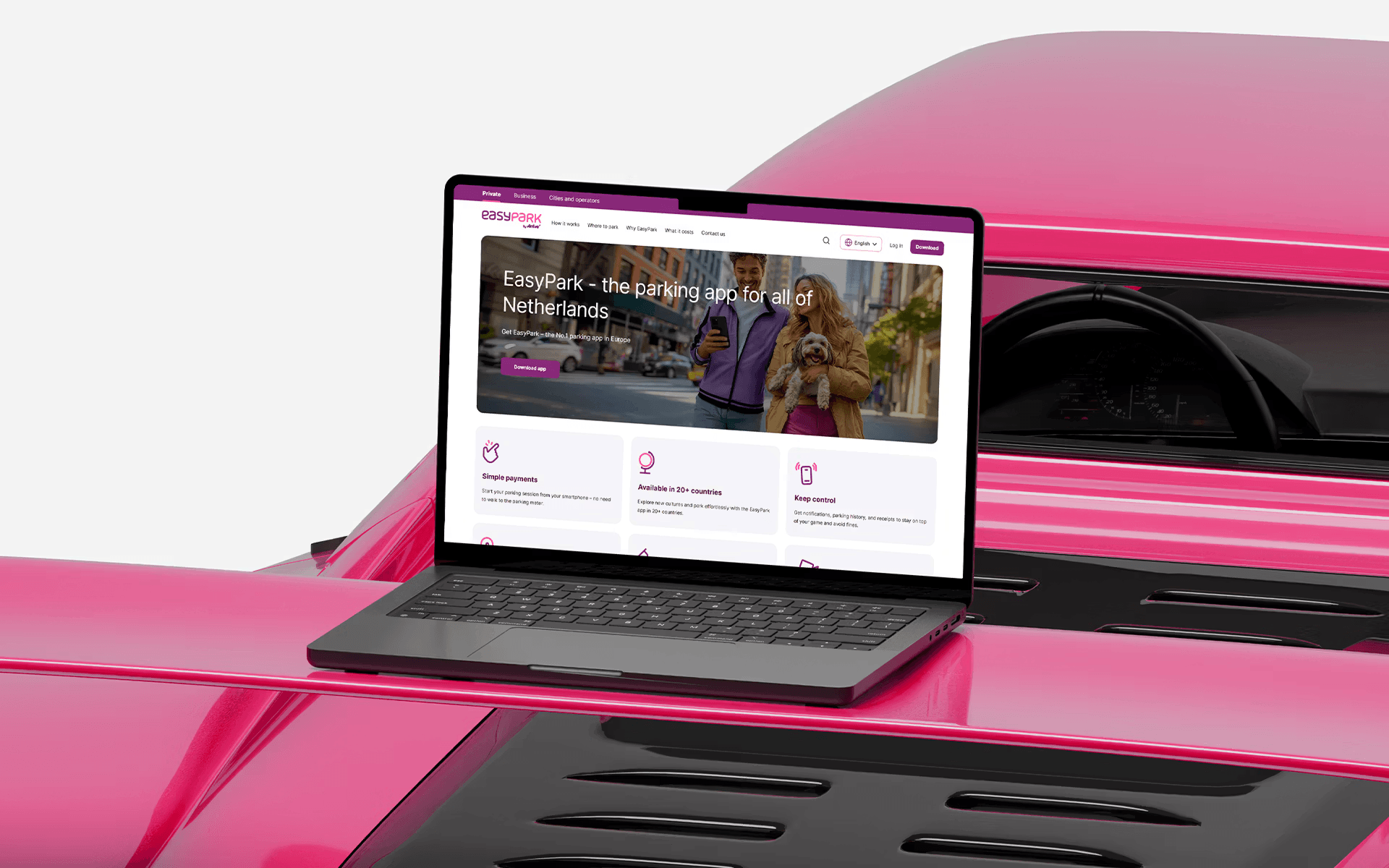

Shopify Migration Services
For content-heavy brands, multi-region stores, and teams battling slow Liquid themes, yes. The ROI comes from faster conversion rates, better technical SEO, and major time savings for content and marketing teams.
Absolutely. That’s exactly what headless Shopify is: you keep Shopify for products, customers, orders, and admin. We replace the storefront frontend with a fast Next.js application, and use a headless CMS where you need editorial control beyond Shopify.
Yes. Backend apps like inventory, shipping, and accounting typically work well. Frontend apps like reviews, pop-ups, and search can be integrated through their APIs directly into your Next.js frontend. That's usually cleaner, faster, and more secure than injecting them through traditional theme tags.
Yes, when it is the right fit. For complex, high-growth, or content-heavy projects, we generally recommend headless because it gives you more control over performance, SEO, and editorial workflows.
It depends on your team’s workflow and integration needs. Common strong fits include Sanity, Storyblok, and Payload CMS.
Yes. We look at catalog complexity, content operations, international expansion, SEO requirements, and AI-driven workflows before recommending the right architecture.