





Migration from Legacy CMS to Wordpress
Migrating to WordPress? Do It Right From the Start
Why Teams Choose WordPress
Most people land on this page for similar reasons: their current site is hard to maintain — an outdated custom build, a CMS with a shrinking pool of developers, or a platform that's become too rigid for the team using it. WordPress answers a lot of that. It's familiar, has the largest plugin and theme ecosystem around, and there's no shortage of people who know how to work in it.
Before you commit to a build, though, it's worth being precise about which problems you're actually solving — because the right migration plan depends on it. That's what the comparison below walks through.
What WordPress Gets Right
It Depends on What You're Solving For
WordPress earns its reputation for good reason, and the list above is real. But which platform is actually right for you isn't a matter of which one is "better" in the abstract — it depends entirely on what your company is trying to do: how content gets created day to day, how many people need to publish without waiting on a developer, how many markets, brands, or channels you're running, and how fast the business needs to move. WordPress's strengths only matter if they map to those specific needs.
That's exactly why it's worth pausing before you commit to any platform, WordPress included. A CMS migration is expensive and painful to redo, so the teams that get the most value out of one are the ones who compare their real options honestly upfront, rather than defaulting to the platform that's easiest to search for.
So before you lock in WordPress, let's look at the alternatives — starting with how it compares to a modern headless CMS on the categories that actually decide your day-to-day publishing speed, security, and cost.
WordPress vs. Headless CMS: An Honest Comparison
When WordPress Is Still the Right Call
If you need a fast, low-cost site with a huge talent pool, a plugin ecosystem that already covers your use case (blogs, brochure sites, simple e-commerce), or your team is already fluent in WordPress, it remains a solid, practical choice. We handle those migrations too — this comparison is about finding your best fit, not steering you anywhere.
Outside of those specific cases, most teams who come to us asking about WordPress end up choosing headless once they see the comparison side by side. The process below is built to help you find out which one you actually are.
How We Help Migrate?
Platform Fit Audit
We review your current site, content model, and team workflow, then give you a clear recommendation — WordPress, headless, or staying put — before you commit to anything.
Migration Roadmap & Scope
We map out the content structure, migration path, and timeline for whichever platform fits, so there are no surprises once work starts.
Content Migration & Build
We migrate your content and rebuild your templates and components — on a headless stack like Sanity, Storyblok, Payload, or DatoCMS with Next.js, or on WordPress — depending on the recommendation.
Global Content & Localization Setup
We set up languages, regions, and publishing rules so international content stays easy to manage.
Training, Support & Launch
We train your team on the new setup and provide documentation so they can publish independently from day one.
How we work
Governed and Scalable, by Design
We design content models, editorial workflows, and governance into the architecture from day one to make your Information Architecture clean and usable as your team, markets, and channels grow.
Editorial UX boosts your marketing team's speed and freedom. They can build pages, launch campaigns, and manage content without needing developer help.
Performance & AI SEO by Default
Each project includes a complete SEO + LLM optimization. Performance baseline as standard: Core Web Vitals, structured data, rendering strategy, and AI SEO setup.
Scalable Next.js architecture derived from 7+ years of experience.
Already live? Our Next.js SEO audit gives you an actionable, dev-ready assessment of where you stand.
Predictable & Efficient Delivery
90% of our projects fit the initial budget. That comes from the time we invest upfront — understanding exactly what we're building before a single line of code is written.
Our CMS Kit has page builders, navigation, localization, content models, and SEO settings. It boosts every engagement. Plus, it won’t limit your choices. It's a smart starter refined across dozens of production deployments, not a constraint.
Drupal Migration Services' FAQs
Drupal Migration Services
For simple sites, blogs, or teams on tight budgets, yes — WordPress remains a practical, well-supported choice. For growing marketing sites or multi-brand, multi-locale operations, teams increasingly choose headless for the same reasons they're leaving their old platform: security overhead, publishing speed, and long-term flexibility.
For a lot of teams who land on this page, yes — once they see the trade-offs. It depends on your team's technical resources, content complexity, and growth plans, which is exactly what the free audit is for.
Most migrations we run take 6–9 weeks depending on content volume and integrations, with a written scope and timeline agreed before any code moves.
Yes, though it means migrating twice. Most teams save time and budget by deciding once — which is exactly what the free audit is for.
Engineering Blog
Best Headless CMS for React
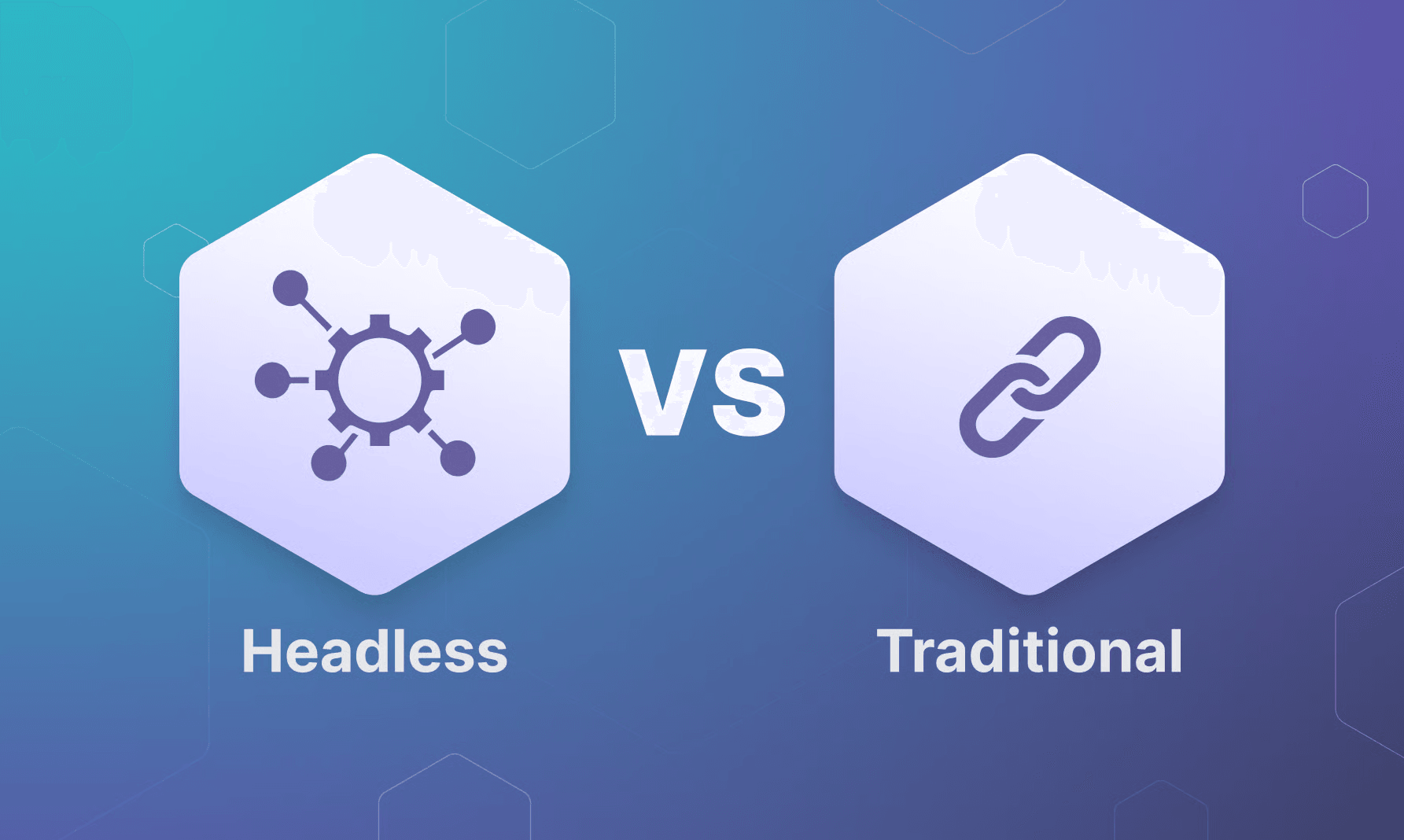
Headless CMS vs. Traditional CMS
Need help with Migration?
- Respond within a day
- Intro call to sync
- Proposal within 2-3 days