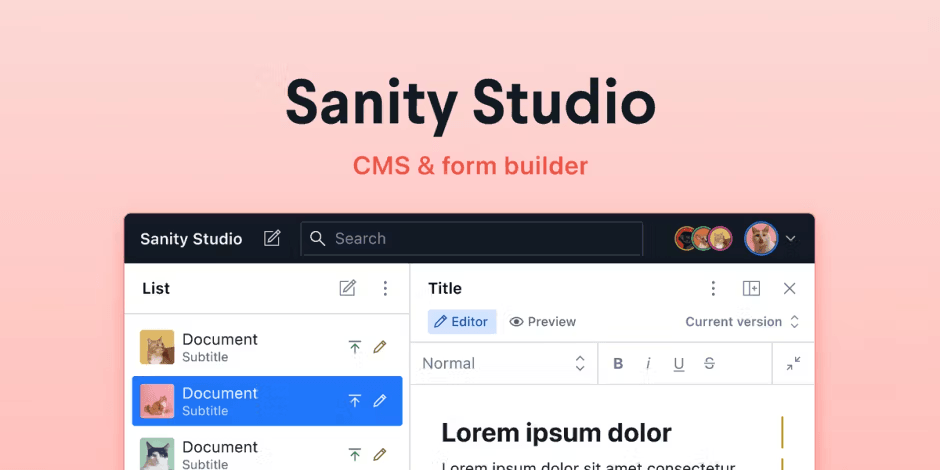
Sanity CMS overview
Delve into how Sanity CMS transforms content collaboration and management across diverse digital landscapes.


Framer works well when the job is mostly visual and the page count stays low. The friction starts when content becomes more than a set of static sections — when localization, reuse, and approvals all need to be managed properly. At that point, a visual builder becomes hard to govern at scale. Sanity keeps the design freedom, but adds structured content, clearer workflows, and the editorial controls teams need once the site becomes operationally complex.
That shift matters because it lets marketing and engineering move in parallel instead of waiting on each other. Content can be reused across pages and channels, localized without duplication, and updated without rebuilding every view by hand. You keep the speed of a flexible front end. You remove the bottleneck behind it.
The biggest fear when leaving a visual builder is flying blind in a form-based CMS. With Sanity Presentation, you don't have to. We configure your Sanity Studio with a live, interactive 1:1 preview of your Next.js website. Your marketing team can click on any text or image on the screen and edit the underlying data instantly. You keep the visual confidence of Framer, but gain the infinite scalability of structured content.


Best for: Transitioning to TS-native microservices & self-hosting
Features
Migrate from a proprietary, locked-down DOM generator to a fully controlled TypeScript application layer. Payload acts as both a headless CMS and an app framework. We decouple your presentation layer to Next.js and give your engineering team full access to the underlying Express/Node.js backend and MongoDB/Postgres database. No SaaS limitations.

Best for: Component-driven architecture with a GUI
Features
Decouple your visual presentation from a closed ecosystem. We rebuild your Framer design as strict React/Next.js components and map them to Storyblok’s API-first visual editor. This gives non-technical users a real-time preview environment while ensuring engineers maintain 100% control over the codebase, rendering strategies, and Core Web Vitals.

Best for: API-first enterprise orchestration
Features
Transition from a monolithic SaaS builder to a scalable composable architecture. We integrate Contentful to provide enterprise-grade GraphQL/REST APIs, granular RBAC (Role-Based Access Control), and CI/CD compatibility. This is the optimal route for orchestrating a complex, multi-regional Next.js deployment integrated with enterprise CDPs and analytics.
We examine your current Framer site, content, and structure to plan the migration clearly.
We build structured content types in Sanity so your team can work efficiently and reuse content.
We develop a fast, clean Next.js frontend to improve performance, SEO, and reliability.
If needed, we configure languages, regions, and workflows for organized content management.
We train your team to use Sanity and provide documentation so they can work independently.

We design content models, editorial workflows, and governance into the architecture from day one to make your Information Architecture clean and usable as your team, markets, and channels grow.
Editorial UX boosts your marketing team's speed and freedom. They can build pages, launch campaigns, and manage content without needing developer help.

Each project includes a complete SEO + LLM optimization. Performance baseline as standard: Core Web Vitals, structured data, rendering strategy, and AI SEO setup.
Scalable Next.js architecture derived from 7+ years of experience.
Already live? Our Next.js SEO audit gives you an actionable, dev-ready assessment of where you stand.
90% of our projects fit the initial budget. That comes from the time we invest upfront — understanding exactly what we're building before a single line of code is written.
Our CMS Kit has page builders, navigation, localization, content models, and SEO settings. It boosts every engagement. Plus, it won’t limit your choices. It's a smart starter refined across dozens of production deployments, not a constraint.

Optimized for visual design and page creation

Focuses on fully structured, schema-driven content, making it easier to manage complex content types and scale beyond simple marketing pages
Content is closely bound to individual pages and layouts
Separates content from design entirely, allowing teams to reuse the same content across multiple websites, apps, and channels
Primarily geared toward individual designers or small teams
Enables real-time collaborative editing, live previews, and granular roles - better suited for growing content and marketing teams
Offers limited customization beyond its built-in features
Provides JavaScript-based schemas, custom inputs, and extensible tooling, allowing developers to tailor the CMS to specific workflows and business needs
Mainly used to publish a single website
API-first architecture allows the same content to power websites, mobile apps, product interfaces, and other digital touchpoints
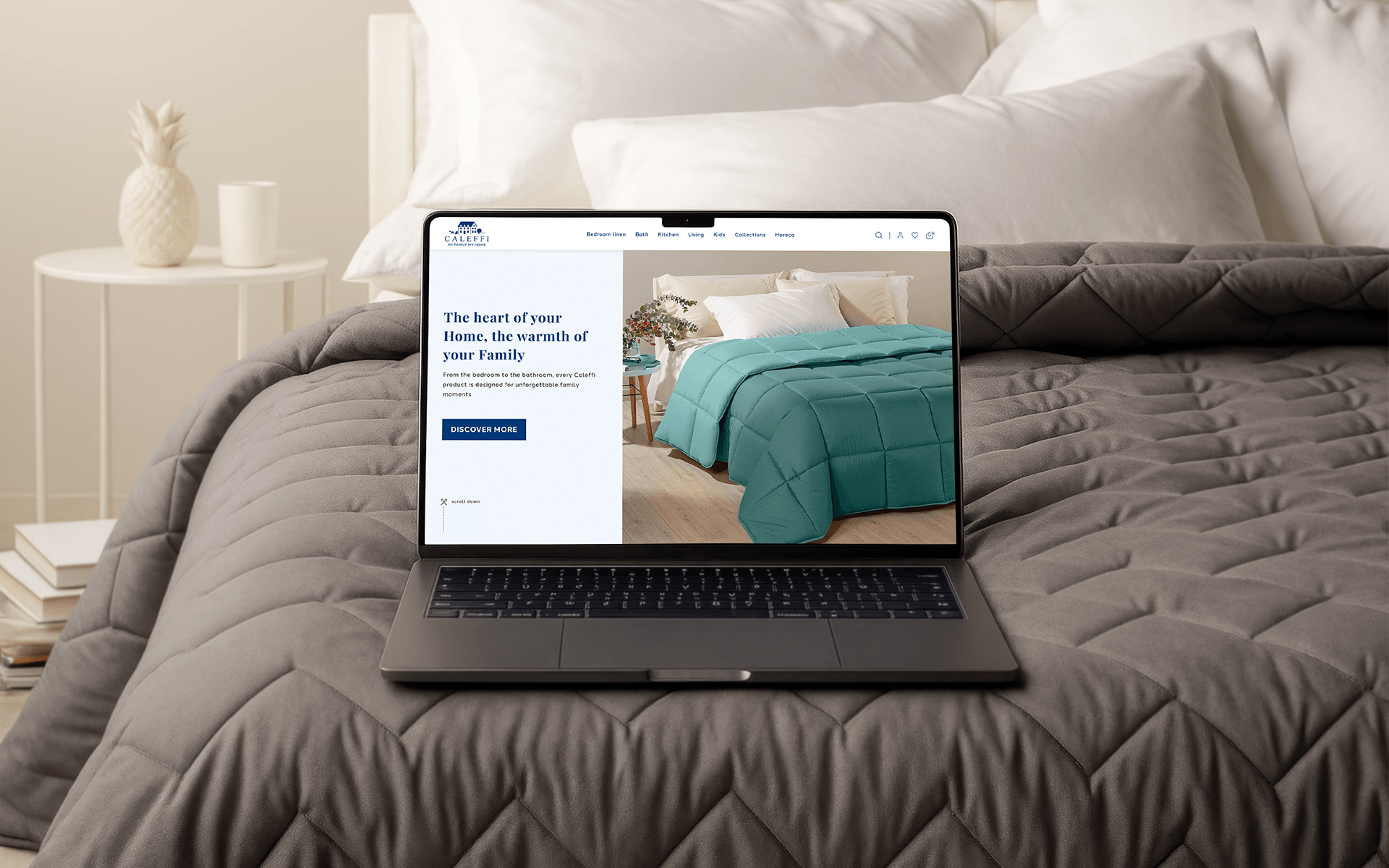
"Our main goal was to get a new website that met SEC compliance requirements while also being well set up for SEO. The FocusReactive team handled both the design and development using Sanity CMS and Vercel, and delivered a fully working site ready for launch. The process was smooth, and we now have a clean, reliable website that gives us a strong foundation for future growth."

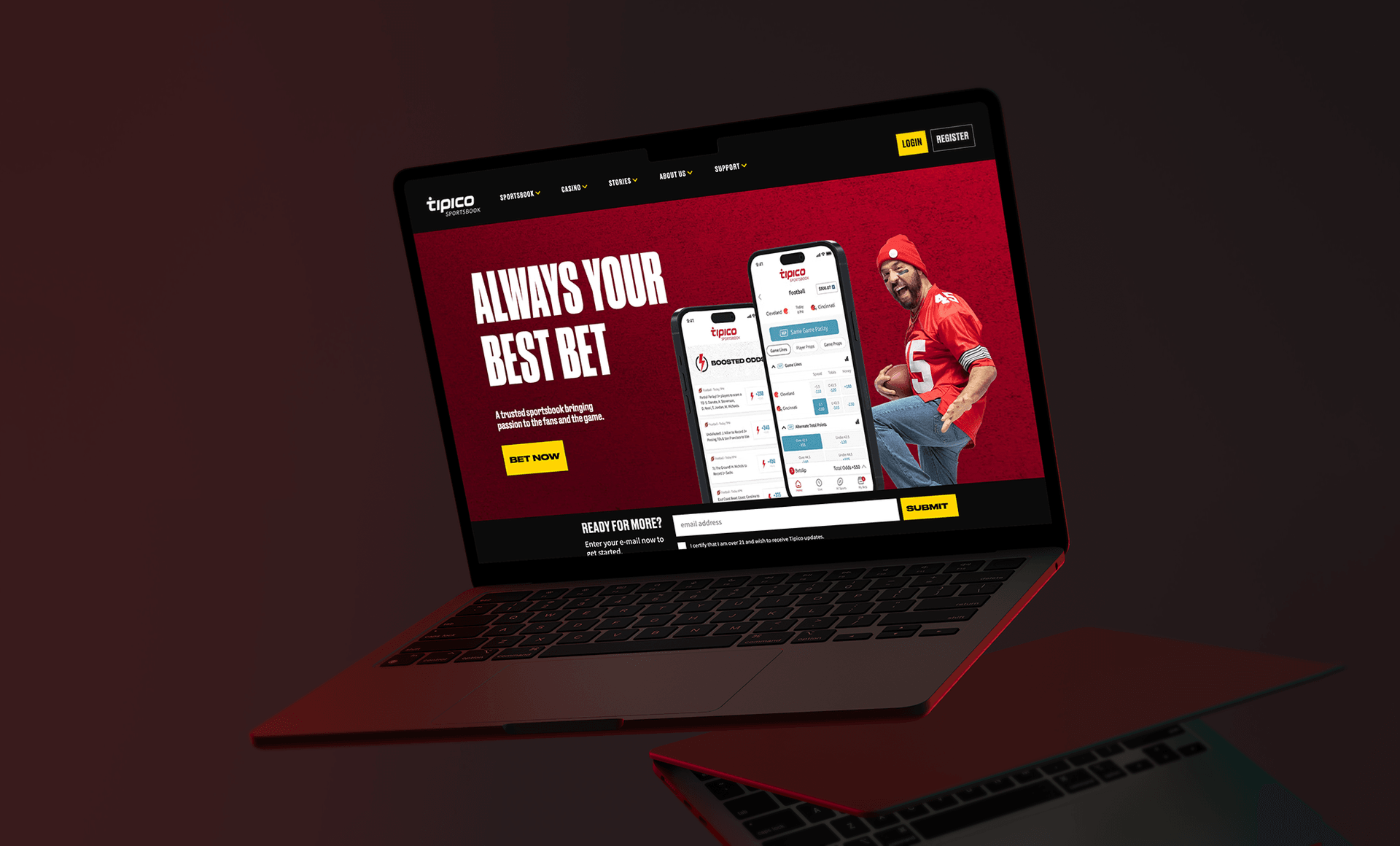
"We needed a headless CMS solution to enter the highly regulated US sports betting and online casino market. We chose Focus Reactive to develop it using Sanity. Because of them, today we have a tailor made, flexible and high-quality CMS Studio on deadline. Impressed by the quality of work and transparency throughout the process."


Migration from Framer to Sanity
Sanity starts from $0 on Free, from $15 per seat/month on Growth, and Enterprise is custom pricing. Framer starts from $0, with typical paid plans around $5/month for Mini, $15/month for Basic, and $25/month for Pro, plus editor seats often around $10–$20/month. Framer is usually the lower-cost option for simple brochure sites, while Sanity tends to justify its cost when teams need reusable structured content, stronger governance, and more flexibility as the site grows.
Most migrations take between 4 and 8 weeks.
Yes, or we can update the design if you want improvements.
Yes, the interface is clean and simple to learn.
Yes, it’s designed to scale with your content, team, and digital presence.
Yes, a custom Next.js frontend typically performs much better.