Sanity CMS overview for implementation teams
Delve into how Sanity CMS transforms content collaboration and management across diverse digital landscapes.


Most "Sanity + Next.js" builds treat the CMS and the frontend as two separate decisions. We treat them as one architecture. As an official Sanity.io partner and a Next.js/React team shipping production apps for 7+ years, we design the Studio, the content schema, and the rendering strategy in the same pass — so editors get workflows built around how they actually publish, and visitors get pages engineered for Core Web Vitals and technical SEO from the first commit.
From migrations to new builds, we ship production systems your team can run without calling a developer for every content change.
Whichever stage you're at, we scope the content architecture and the rendering strategy around how your team actually publishes — not a generic template.

We architect Sanity for scale before we touch a single schema: modular content types, a custom Studio desk structure, and a Next.js App Router frontend wired directly to your design system. Every build ships with live preview, structured metadata, and a caching strategy tuned to how often your content actually changes.

Moving off WordPress, Contentful, or a legacy monolith? We map your existing content into a modular Sanity schema, carry over your URL structure and SEO equity, and train your editors on the new Studio — with no downtime during the switch.

Launch is the start, not the finish line. Our Sanity + Next.js retainers cover custom Studio plugins, AI-assisted content workflows, and performance tuning as your team and traffic grow — senior engineers only, no outstaffed juniors added to hit a headcount.


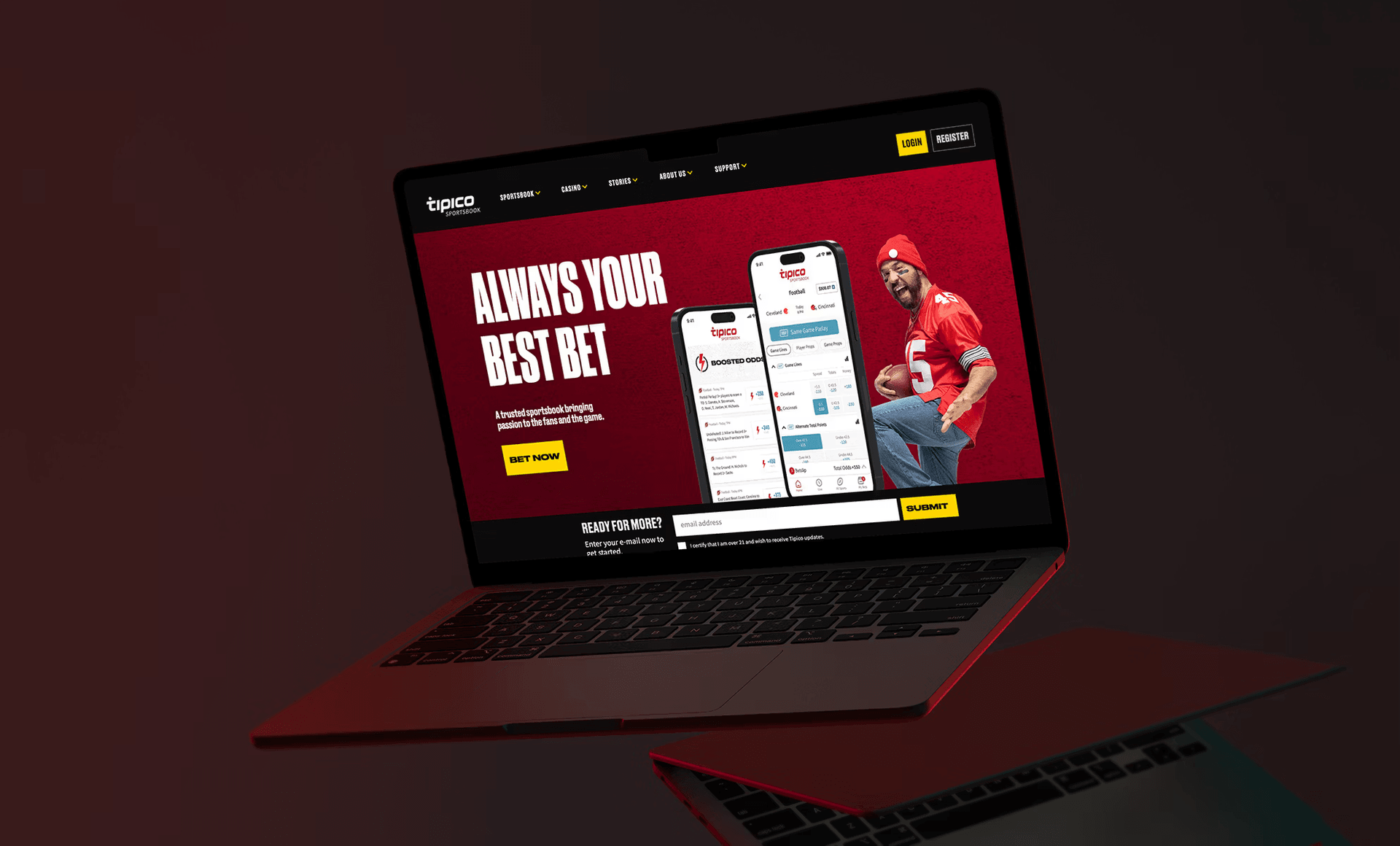

Sanity gave us the content model flexibility we needed to build a truly composable website.
We could structure content around the way the team actually works, which made the editor experience cleaner and far easier to manage. Paired with Next.js, the frontend stays fast even as the site changes, so the team can ship new pages and updates without introducing friction or performance debt.
We don't hand you a Sanity schema and a Next.js frontend built by two different teams at two different times. The same engineers design the content types and the components that render them, so a field never exists in Sanity without a clear consumer in the frontend — and nothing in the UI is waiting on a field that doesn't exist yet.
Sanity's Visual Editing and Presentation tool let editors drag, reorder, and preview changes live; our Next.js layer is built to absorb that flexibility without breaking layout or performance. Editors get real control — engineers don't get 2am pages when someone reorders a page.
Not every page needs the same caching rules. We map Sanity's real-time Content Lake to Next.js's rendering modes — ISR for content that updates daily, static for pages that don't move, on-demand revalidation for anything editorial needs live — instead of applying one strategy site-wide.
Structured metadata lives in the Sanity schema, not scattered across page templates; Next.js consumes it directly. That keeps Core Web Vitals, crawlability, and structured data consistent even as the site grows past the pages your team planned for at launch.
Because the content model and the frontend are documented together, your in-house developers — or ours, on a support retainer — can extend the site without reverse-engineering how the two sides talk to each other.
A Sanity + Next.js build should make publishing fast, page structures easy to manage, and SEO part of the architecture, not an afterthought. We build marketing sites with clean content models and a Next.js delivery layer your team can iterate on without a developer ticket for every page.
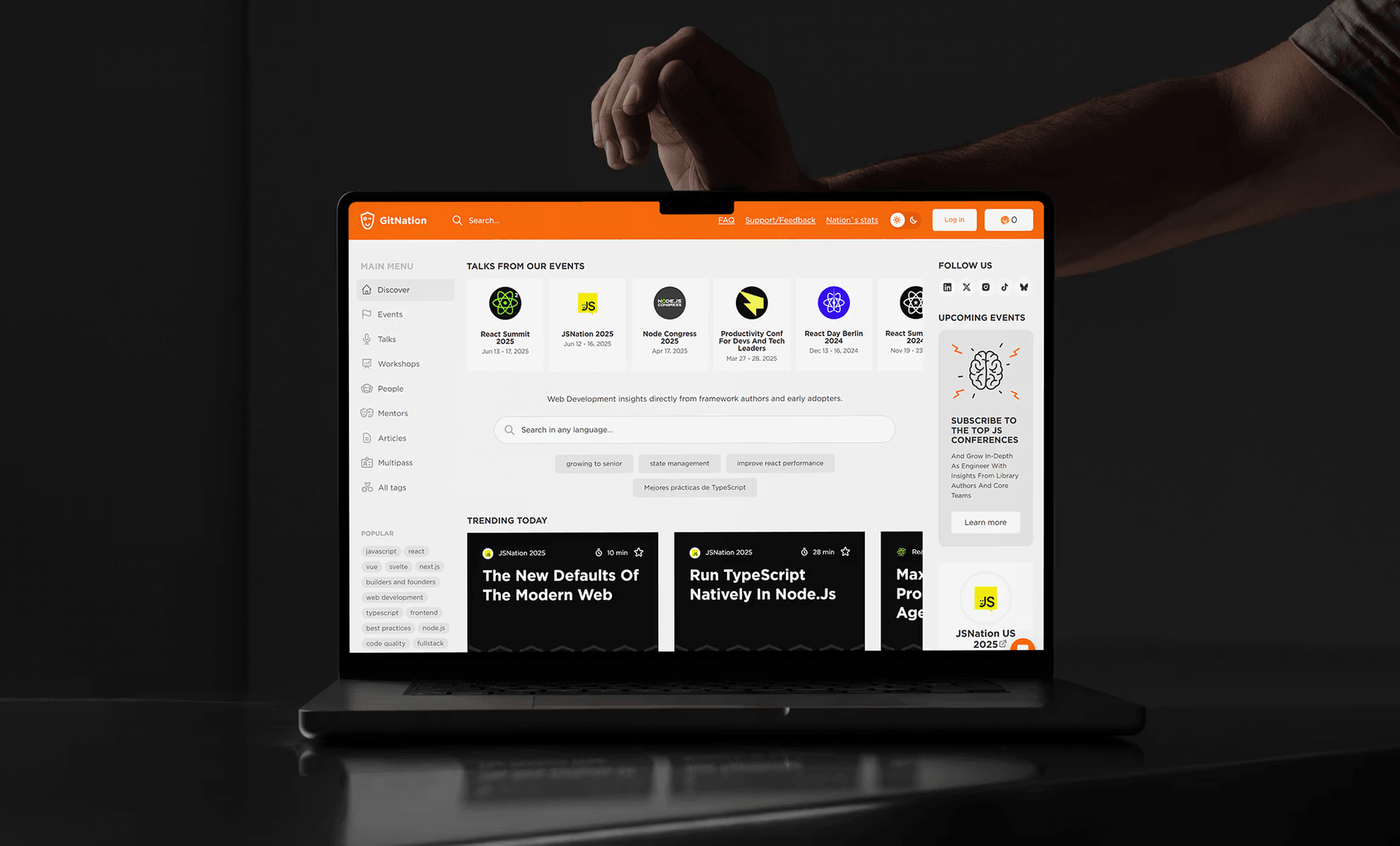
For teams publishing across markets, shared Next.js components keep the experience consistent while Sanity's localization and governance tools give each region control over its own content.
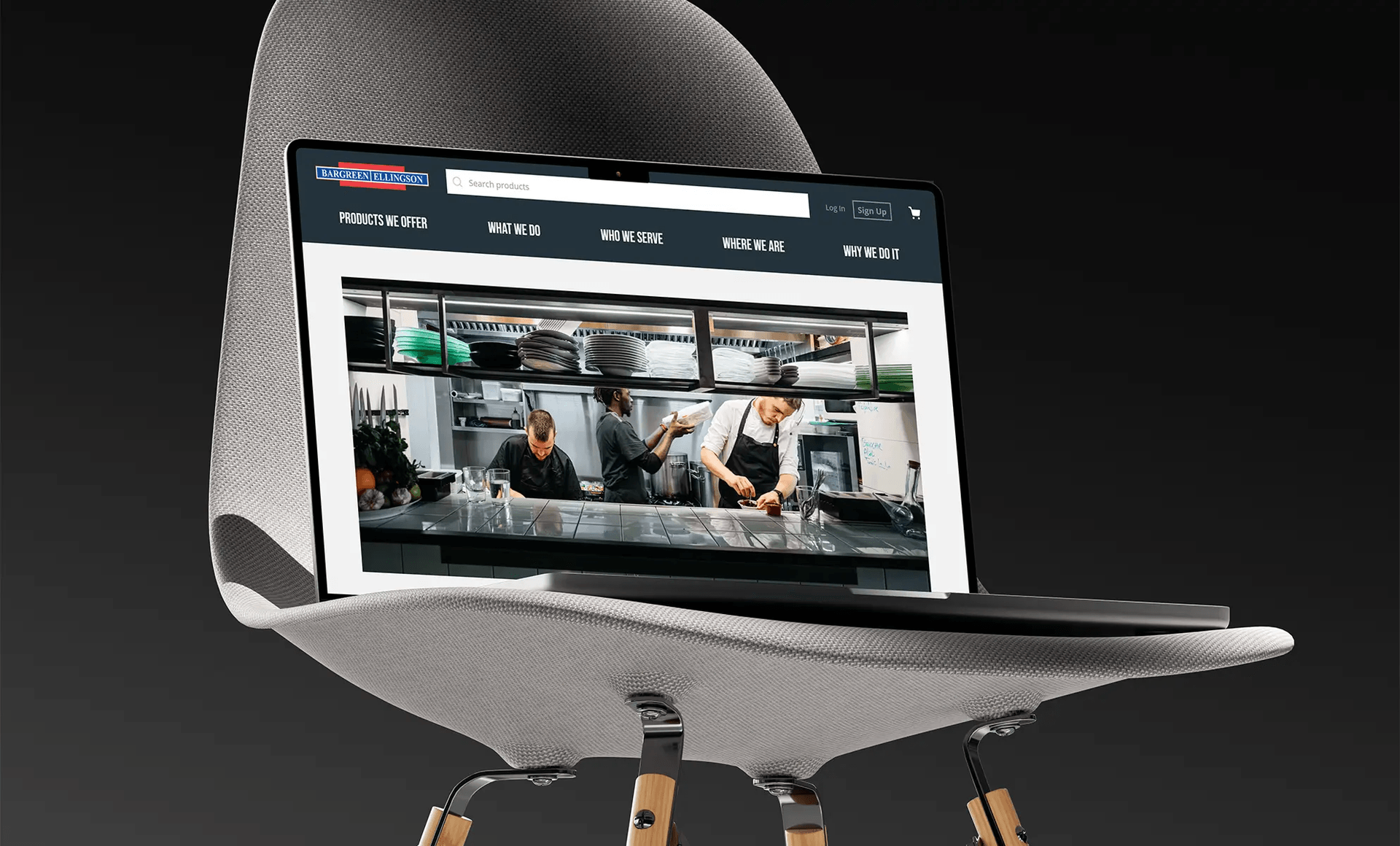
We connect Sanity's editorial content to product data in a system that scales: reusable content across templates, a frontend flexible enough to grow without a rebuild.

"Our main goal was to get a new website that met SEC compliance requirements while also being well set up for SEO. The FocusReactive team handled both the design and development using Sanity CMS and Vercel, and delivered a fully working site ready for launch. The process was smooth, and we now have a clean, reliable website that gives us a strong foundation for future growth."

"FocusReactive has been an exceptional partner, delivering all our requirements ahead of schedule. Their team feels like an extension of ours, understanding our strategy and anticipating our needs. They helped us build two modern, SEO-friendly marketing websites that our marketing team can easily manage without relying on developers. The team is incredibly talented, responsive, and always takes pride in their work. Thanks to FocusReactive, we've been able to scale our marketing efforts more effectively. We couldn’t have asked for a better partner."

Common questions about hiring a Sanity + Next.js agency — answered clearly and concisely.
Sanity gives you a structured, API-first content model and a Studio your editors can actually customize; Next.js turns that content into a fast, SEO-ready frontend with fine-grained control over rendering and caching. Paired deliberately — not bolted together — you get a site that's both easy to edit and fast to load, which is the combination most CMS + framework pairings fail to deliver.
Sanity's free and low tiers cover most marketing sites; costs scale with API requests, bandwidth, and seats as you grow. For most FocusReactive builds, Sanity's hosting cost is a small fraction of the engineering budget — we'll size it against your traffic and content volume during scoping, not guess.
We're official partners across Sanity, Storyblok, Contentful, and Payload, so we're not incentivized to push one. Sanity's edge for a Next.js pairing specifically is the real-time Content Lake, GROQ querying, and Portable Text — all of which map cleanly onto Next.js's data-fetching model without the over-fetching you get from a REST-first CMS.
A focused marketing site typically runs 4–10 weeks from schema design to launch; a multi-region platform or a storefront integration runs longer. We give a detailed, time-and-materials estimate up front so you're planning against real numbers, not a range.
Yes — Sanity's document-based Content Lake and GROQ queries are built for scale, and we design the schema and desk structure specifically so growth doesn't require a re-platform. Our largest Sanity + Next.js engagement has run continuously for 3+ years as the client's content model expanded.
Yes — full-pipeline migrations are one of our three core engagements. We map your existing content structure into a modular Sanity schema, preserve URLs and SEO equity, and train your team on the new Studio before we consider the migration done.
Sanity is framework-agnostic by design, but we build it specifically for Next.js — App Router, server components, and Vercel or AWS delivery. It also integrates cleanly with commerce platforms, search, analytics, DAM, and localization tooling around the core stack.
For a composable, developer-owned architecture with a custom editing experience — yes. WordPress remains a reasonable choice for simple, template-driven sites; Sanity + Next.js is the better fit once you need custom content modeling, multi-channel publishing, or frontend performance WordPress themes don't deliver natively.
Marketing teams at content-heavy organizations, multi-region publishers, and eCommerce brands that need structured, reusable content across channels — see our Financial Team case study for a regulated-industry example.




.png&w=1920&q=90)