Sanity CMS overview
Delve into how Sanity CMS transforms content collaboration and management across diverse digital landscapes.


WordPress starts to break down when content, plugins, and presentation are too tightly coupled. The symptoms are familiar: plugin sprawl, security maintenance, slow delivery, and content trapped in templates instead of structured fields.
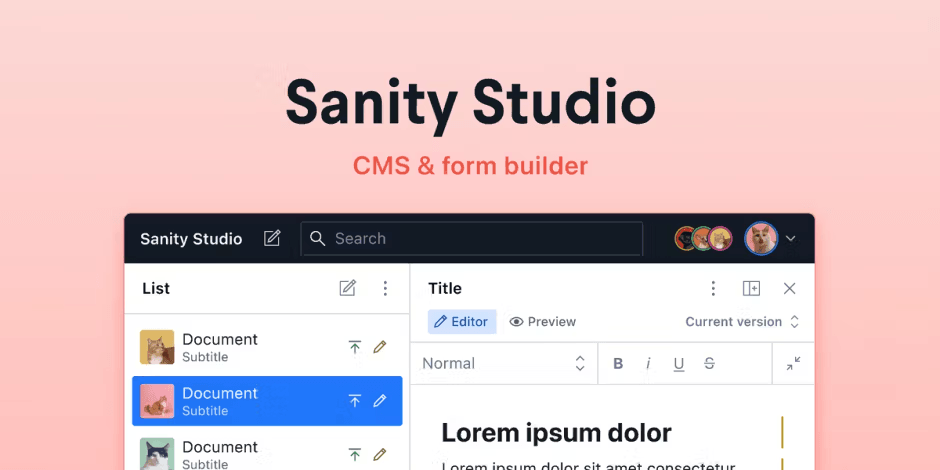
Sanity fixes that at the content layer. You model content as structured data, define Studio workflows in code, and give editors a real-time collaborative environment built around how your team actually works.
That’s the shift: from managing a monolith to running a content platform that can scale with your editorial and technical needs.
We migrate WordPress sites to Sanity with the architecture in mind — preserving content integrity, improving editorial control, and delivering structured content through Next.js and API-first delivery.


When every small change depends on another plugin or a brittle extension, WordPress gets expensive to maintain. The real cost is not the license fees. It is the time spent patching conflicts, testing updates, and keeping a fragile stack from breaking under routine changes.

WordPress update work is never just a checkbox. Core releases, theme updates, and plugin patches all need to be checked, tested, and shipped carefully, because every change carries regression risk somewhere in the stack.

WordPress content models hit a wall as soon as your site needs anything beyond a standard post or page. Reusing the same content across landing pages, campaign pages, and other channels usually means custom templates, shortcodes, or duplicated fields that are hard to maintain. Sanity fixes that with structured schemas and reusable content blocks, so your team models content once and assembles it wherever it needs to appear.

WordPress often slows editors down with rigid admin screens, scattered fields, and a preview experience that never quite matches the page they are building. Sanity gives your team a cleaner workflow: custom Studio layouts shaped around the content model, structured fields that are easier to manage, and preview that shows what will actually ship before anything goes live.
Moving off WordPress is not just a platform swap. The hard part is turning years of content, templates, and editorial habits into a Sanity setup that is easier to manage and safer to evolve.
We design the content model around how your team actually publishes, from fields and references to reusable modules and structured page types. That gives you a cleaner schema and fewer one-off exceptions to maintain.
We handle the full migration plan.Sanity development covers custom Studio features, structured content import, and editorial workflow design, so your team can move content with confidence and keep shipping without rebuilding the publishing operation around the CMS.


A solid option for teams that want more control over code, hosting, and security.
Features

A strong fit for marketing teams that want visual editing with better speed and security.
Features

Best for enterprise teams that need scalable, omnichannel content delivery.
Features
Migrate from WordPress to Sanity when you need structured content, tighter editorial control, and a frontend that scales cleanly with Next.js. It's the right architecture for teams that want to ship faster without fighting their CMS.
We audit your WordPress content and map every page, post type, taxonomy, and reusable block before anything moves to Sanity
We design the Sanity schema around how your team actually works — document types, references, and field structures that match the content model, plus a custom Studio setup with real-time preview and workflows shaped to your editorial process.
We rebuild your site with Next.js and Vercel to achieve modern performance, SEO, and visual precision
We configure multi-language publishing, content permissions, and approval flows for distributed teams
We train your marketing team, set up analytics and dashboards, and ensure your team is ready to work independently

We design content models, editorial workflows, and governance into the architecture from day one to make your Information Architecture clean and usable as your team, markets, and channels grow.
Editorial UX boosts your marketing team's speed and freedom. They can build pages, launch campaigns, and manage content without needing developer help.

Each project includes a complete SEO + LLM optimization. Performance baseline as standard: Core Web Vitals, structured data, rendering strategy, and AI SEO setup.
Scalable Next.js architecture derived from 7+ years of experience.
Already live? Our Next.js SEO audit gives you an actionable, dev-ready assessment of where you stand.

90% of our projects fit the initial budget. That comes from the time we invest upfront — understanding exactly what we're building before a single line of code is written.
Our CMS Kit has page builders, navigation, localization, content models, and SEO settings. It boosts every engagement. Plus, it won’t limit your choices. It's a smart starter refined across dozens of production deployments, not a constraint.
"Our main goal was to get a new website that met SEC compliance requirements while also being well set up for SEO. The FocusReactive team handled both the design and development using Sanity CMS and Vercel, and delivered a fully working site ready for launch. The process was smooth, and we now have a clean, reliable website that gives us a strong foundation for future growth."

"We needed a headless CMS solution to enter the highly regulated US sports betting and online casino market. We chose Focus Reactive to develop it using Sanity. Because of them, today we have a tailor made, flexible and high-quality CMS Studio on deadline. Impressed by the quality of work and transparency throughout the process."

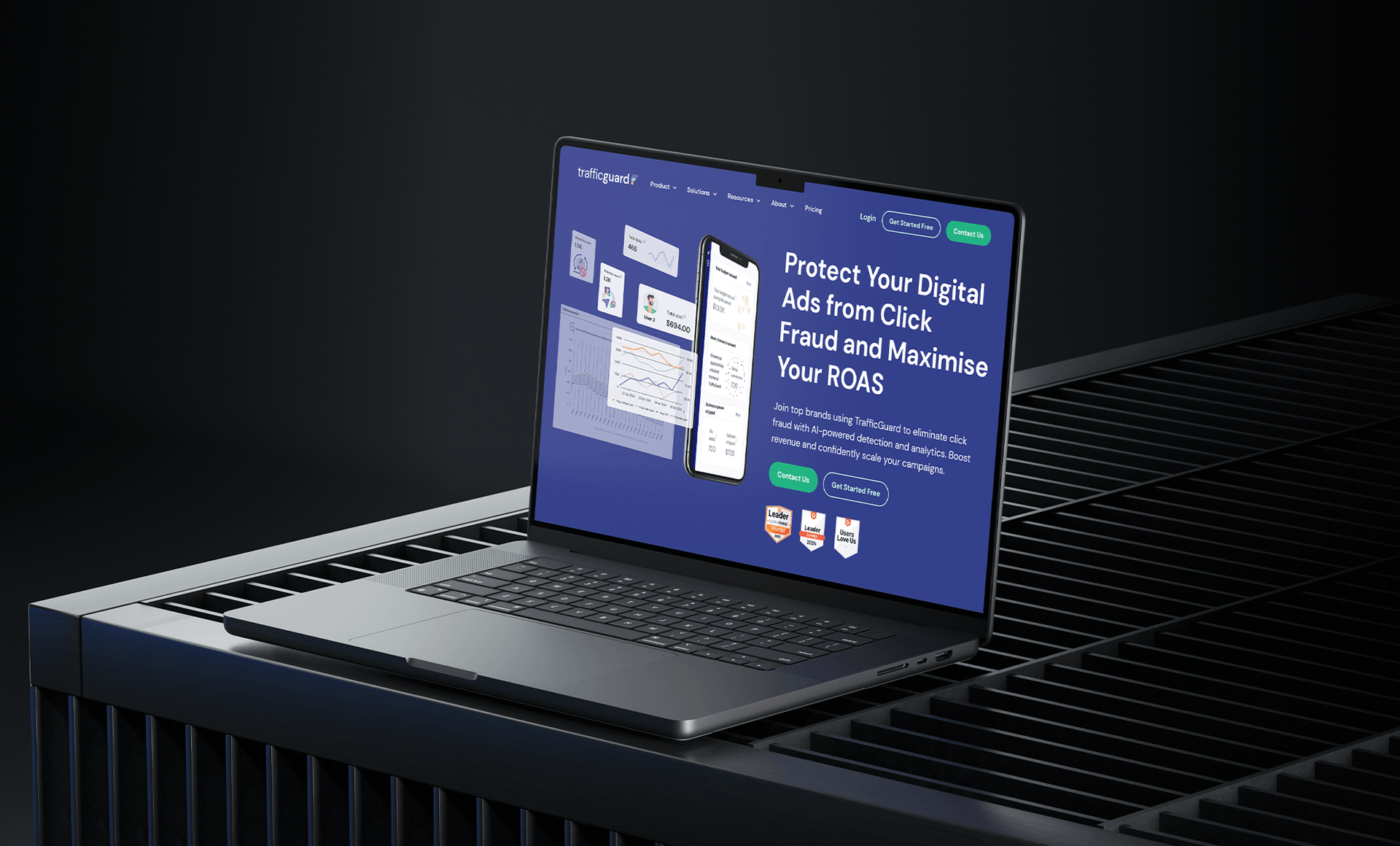
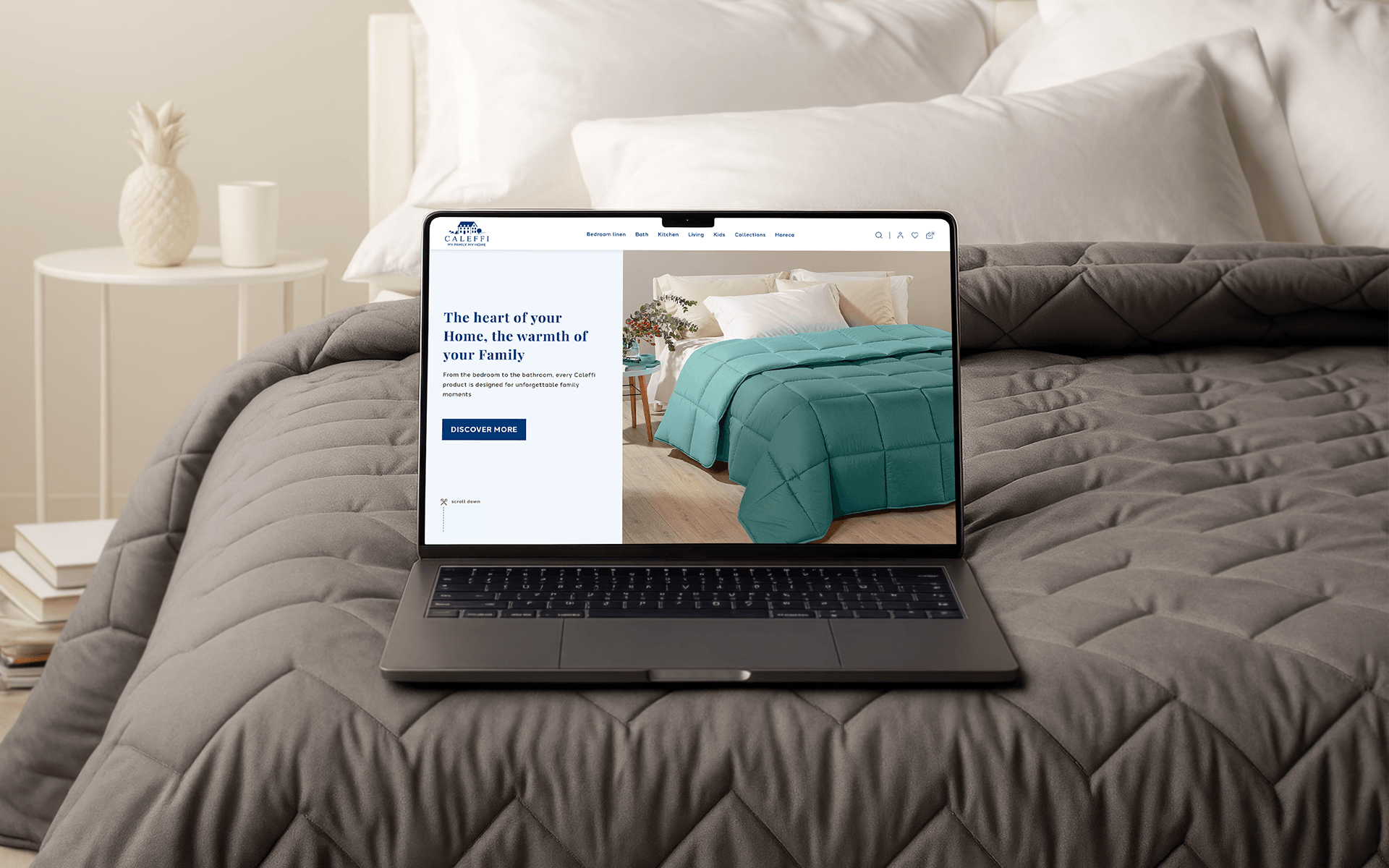
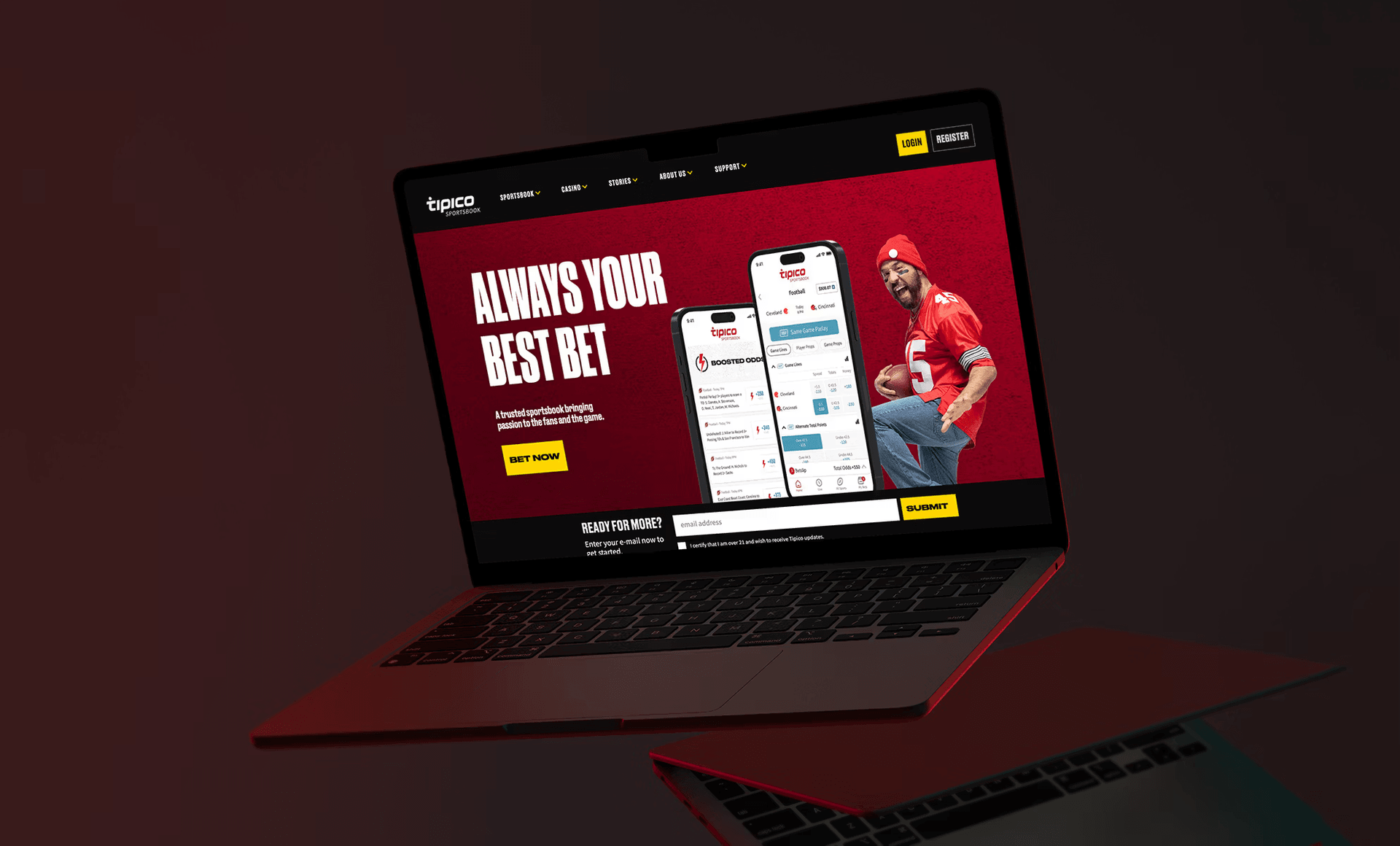

Migration from WordPress to Sanity
You’ll save on maintenance, hosting, and security costs. On average, clients see 40–60% lower total cost of ownership after migration
Most migrations complete in 4–8 weeks, depending on content complexity and integrations. We start with a short audit to plan the scope
No. We migrate all metadata, redirects, and canonical structures. Sanity’s headless setup usually improves Core Web Vitals and LCP metrics
Yes, Sanity offers real-time visual editing and live previews, so marketing teams see changes instantly before publishing
Absolutely. Sanity supports granular permissions, workflows, and versioning, making it ideal for distributed teams and regulated industries
We map WordPress content into structured Sanity documents so the model is cleaner from day one. Posts become modular entries, custom fields turn into typed content, taxonomies become relationships and filters, and reusable blocks are rebuilt as components the editorial team can maintain without code changes. The result is a content model that's easier to query, easier to evolve, and much harder to break.
What changes
Structured documents, portable content, reusable modules.



.png&w=1920&q=90)