Best Headless CMS for Next.JS
In this article, we'll dive into the updated top headless CMS options to compare their features, benefits, and drawbacks in order to help developers make an informed decision.


As a dedicated Next.js development agency, we build high-performance enterprise websites, content hubs, complex multilingual web apps, and composable commerce frontends for European teams. We handle legacy React migrations and App Router modernizations, ensuring the delivery layer, rendering strategy, and edge network are designed for the realities of fragmented European markets.
Built for European TeamsWith engineering hubs in London, Warsaw, and Amsterdam, we work perfectly across European time zones (CET/GMT) with senior, in-house engineers who keep delivery moving fast. We don't outstaff. We deeply understand local compliance, data sovereignty (EU-hosted infrastructure), and cross-border web performance.
Next.js strategy, implementation, and modernization for European teams.

We design the right rendering architecture (SSR, SSG, PPR) and frontend implementation for European enterprises. That means Next.js App Router applications that scale cleanly across 20+ markets and languages, a composable architecture that gives your local teams independence, and a frontend built for absolute performance. The result is a modern stack your team can actually maintain.

Moving from a legacy monolithic CMS to Next.js—or upgrading from the Pages Router to the modern App Router—is an architectural shift, not a simple code update. The part that's easy to get wrong is internationalized routing, hreflang mappings, structured data, and preserving regional SEO value. We handle these migrations safely so you keep your search rankings and deliver a lightning-fast experience across every EU market.

Production is where the real work starts. We support distributed editorial teams across European markets with complex Next.js localized routing, middleware for regional cookie consent, AI-native translation pipelines, and strict GDPR compliance at the edge. We handle the technical details after launch so your local marketing teams can publish locally without losing consistency, speed, or platform stability.

We connect your Next.js application to core business systems — localized European commerce gateways, CRMs, and enterprise tools — without turning the frontend into a bottleneck. We avoid the common mistake of overloading the client by keeping strict integration boundaries. Transactional data remains on the server, and Next.js assembles the experience at the edge using smart caching. The result is a fast, maintainable architecture with Core Web Vitals securely in the green.

Next.js is the most flexible platform for content projects — covering everything from static generation to hybrid dynamic rendering with granular caching strategies. And it's meant to be hosted wherever you like: Vercel, a competitor, your own cloud, or even your laptop.
Serverless is the default answer, and it's a good one. We size that decision per project, not per framework habit: sometimes the right call is Vercel, sometimes it's a standalone build on AWS or ECS with manual scaling and full control over the runtime. Next.js gives us total architectural freedom — the hosting choice is ours to make, not the framework's to dictate.
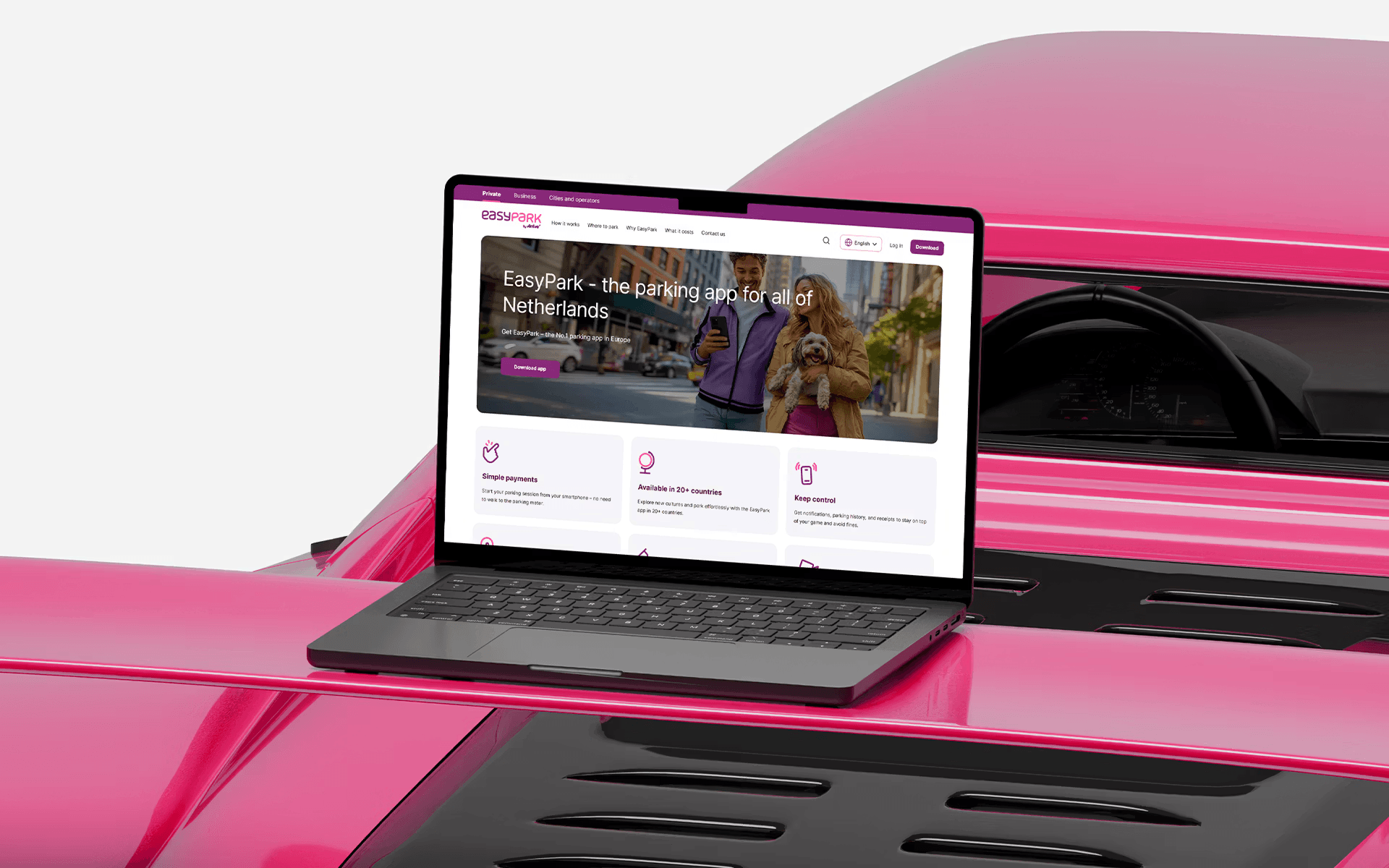



Building Next.js architecture isn't just about rendering pages; it's about building the right foundation for cross-border digital platforms. We model complex Next.js i18n routing, implement edge middleware for instant market switching, and design scalable frontends that serve dozens of languages without bloating the codebase.
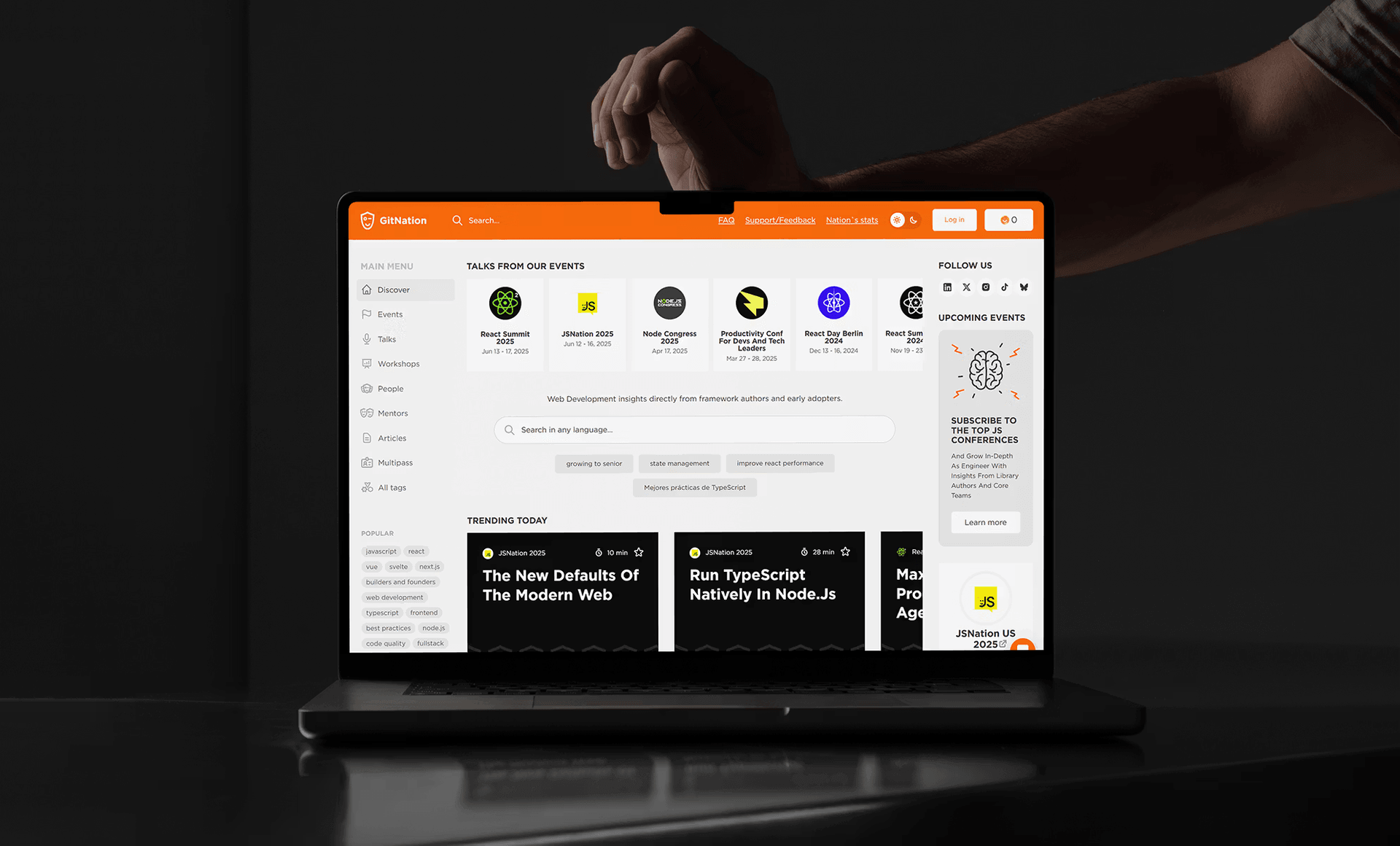
We build multi-market Next.js platforms connected to Headless CMS backends for teams managing multiple brands or regions. With strict SEO controls and AI-accelerated workflows, your team can publish consistently across European markets without duplicating the codebase or relying on constant developer tickets.

Composable commerce works when the storefront, product data, and content layer are built to move together. We use the latest Next.js features, Node.js, and the right CMS (Payload, Sanity, or Contentful) to connect your catalog and European payment gateways into a single frontend that stays fast and legally compliant.

We picked FocusReactive over other partners because of their no-nonsense approach, technical know-how, experience and price. FocusReactive's work has doubled SEO traffic in the first week and has received positive feedback from stakeholders. The team is down-to-earth and professional.

We worked with FocusReactive to bring our website and blog into a single, modern setup that’s much easier for our team to manage. They rebuilt the pages based on our designs, migrated the blog to Payload CMS, and handled changes smoothly as the project evolved. Communication was quick and straightforward, and the end result is a flexible platform that will scale with us as our content and product grow.

FocusReactive successfully took over and enhanced our existing site and shop, making the platform faster, more stable, and significantly improving the user experience. The team delivered high-quality work on time, reduced development overhead, and proved to be proactive, knowledgeable, and highly reliable throughout the collaboration.

Practical answers for teams evaluating a Next.js development agency in Europe.
Yes. We architect advanced Next.js i18n routing and edge middleware specifically for European complexities. This allows your teams to manage localized content, varying language directories, and market-specific compliance (like cookie consent and GDPR) without losing consistency across the broader global platform.
We are vendor-agnostic and focus on the tool that solves your problem. We heavily pair Next.js with enterprise headless CMS platforms like Sanity, Storyblok, Payload, and Contentful. We also deploy on either Vercel (for edge speed) or custom European AWS regions (for strict data sovereignty).
Absolutely. We specialize in complex replatforming. Whether moving from a monolithic system (like WordPress or Sitecore) or upgrading an outdated React/Next.js Pages Router application, we safely handle the architectural overhaul while meticulously preserving your regional SEO and URL structures.
We offer Time and Materials pricing backed by detailed, upfront estimates. We operate in the higher per-hour band amongst European agencies, but our senior-only team delivers a significantly higher density of value per Euro spent. You get enterprise-grade architecture without the bloated overhead of traditional full-service network agencies.