Storyblok overview
This article delves into the best use cases, major advantages, and the full spectrum of what Storyblok can offer to developers and content editors.


Drupal can support enterprise publishing, but it often creates operational drag through complex upkeep and rigid workflows.
A migration to Payload streamlines content operations and improves performance, while giving teams greater frontend flexibility, a better developer experience, and a more extensible platform for future growth.
With enterprise governance preserved, Payload also reduces long-term maintenance effort and helps teams move faster without sacrificing control.


Best for: Escaping PHP legacy & SaaS vendor lock-in
Features
Tired of maintaining fragile Drupal modules? Upgrade to a modern, TypeScript-first architecture. Payload offers the best of both worlds: a world-class developer experience with deep Next.js integration, plus the freedom of open-source. You keep 100% control over your data and hosting, with zero enterprise licensing fees.
Best for: Untangling complex taxonomy & content reuse
Features
Drupal’s rigid relational tables are terrible for modern omnichannel delivery. We extract your content and re-architect it inside Sanity’s Content Lake. The result? A highly customized, real-time editing Studio where content is stored as clean JSON, ready to be deployed across any platform, app, or channel.

Best for: Enterprise localization & third-party integrations
Features
If Drupal is bottlenecking your global expansion, Contentful is the answer. We migrate massive, multi-language architectures to Contentful’s cloud-native platform. It acts as the perfect orchestrator for your enterprise, effortlessly connecting your content with your CRM, PIM, and marketing tools through a massive app ecosystem.
We start with discovery to review your Drupal environment, audit content structures and integrations, assess migration risks, and define a clear roadmap for moving to Payload.
We design and implement Payload collections, globals, fields, and reusable blocks to match editorial workflows while improving flexibility.Payload content architecture,is tailored to editorial needs and built for flexibility.so collections, globals, fields, and reusable blocksto deliver more flexible content models.andeditorial needs.—to simplify publishing and give your team greater control.
We migrate content, rebuild the frontend in Next.js, integrate APIs, and deliver a fast, modern, high-performance experience.
We plan QA, SEO validation, editor training, rollout coordination, and post-launch support to ensure a smooth Drupal to Payload migration.
After launch, we can continue with enhancements, support, performance tuning, and platform evolution as your needs change.

We design content models, editorial workflows, and governance into the architecture from day one to make your Information Architecture clean and usable as your team, markets, and channels grow.
Editorial UX boosts your marketing team's speed and freedom. They can build pages, launch campaigns, and manage content without needing developer help.

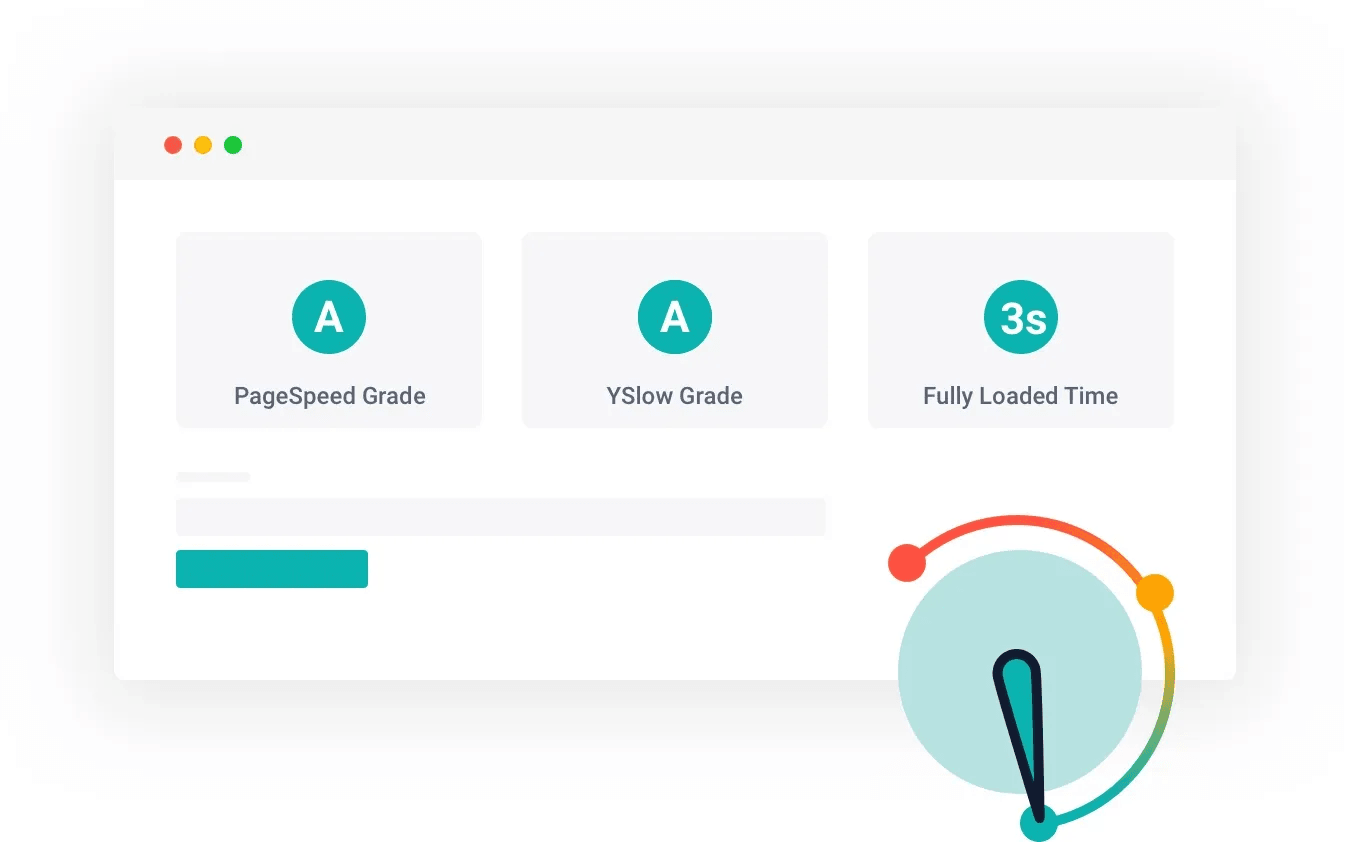
Each project includes a complete SEO + LLM optimization. Performance baseline as standard: Core Web Vitals, structured data, rendering strategy, and AI SEO setup.
Scalable Next.js architecture derived from 7+ years of experience.
Already live? Our Next.js SEO audit gives you an actionable, dev-ready assessment of where you stand.

90% of our projects fit the initial budget. That comes from the time we invest upfront — understanding exactly what we're building before a single line of code is written.
Our CMS Kit has page builders, navigation, localization, content models, and SEO settings. It boosts every engagement. Plus, it won’t limit your choices. It's a smart starter refined across dozens of production deployments, not a constraint.
We picked FocusReactive over other partners because of their no-nonsense approach, technical know-how, experience and price. FocusReactive's work has doubled SEO traffic in the first week and has received positive feedback from stakeholders. The team is down-to-earth and professional.

We worked with FocusReactive to bring our website and blog into a single, modern setup that’s much easier for our team to manage. They rebuilt the pages based on our designs, migrated the blog to Payload CMS, and handled changes smoothly as the project evolved. Communication was quick and straightforward, and the end result is a flexible platform that will scale with us as our content and product grow.

"Our main goal was to get a new website that met SEC compliance requirements while also being well set up for SEO. The FocusReactive team handled both the design and development using Sanity CMS and Vercel, and delivered a fully working site ready for launch. The process was smooth, and we now have a clean, reliable website that gives us a strong foundation for future growth."


Thinking about migrating from Drupal to Payload? This FAQ covers the key questions, benefits, and steps to help you plan a smooth migration.
Teams move from Drupal to Payload to get a modern, API-first architecture that is easier to scale and integrate. Payload gives editors more flexible content modeling and a cleaner editing experience, while delivering better performance through a lighter, more efficient stack. It also reduces long-term maintenance by minimizing platform complexity and ongoing upkeep.
Not necessarily. Payload can be configured for intuitive editorial workflows, so editors usually need little training. We also provide onboarding and documentation to help teams get up to speed quickly.
Content can usually be migrated successfully, but the best approach depends on the content types, volume, media, and any cleanup required.
We’ll help you choose a practical path and keep the process reassuring and manageable.
Yes, SEO can be preserved with redirect planning, metadata migration, structured content, and careful launch QA.
Frequently asked questions about planning and managing a Drupal to Payload migration.
Payload can integrate with common systems such as CRM, search, analytics, auth, and localization tools through APIs and custom services.
Yes, phased migration is often possible, such as moving content, templates, and integrations in stages to reduce risk.
Yes, Payload can be structured for multilingual content, permissions, roles, and editorial governance, depending on implementation.
Yes, post-launch support can include monitoring, fixes, enhancements, performance tuning, and roadmap iteration.
Maintainability comes from clean content modeling, reusable components, documented workflows, and a modern stack with fewer patching burdens.