Storyblok overview
This article delves into the best use cases, major advantages, and the full spectrum of what Storyblok can offer to developers and content editors.


Teams move from Sitecore to Storyblok when the cost of keeping the legacy stack outweighs the value it was built to deliver. The issue is usually not one thing. It’s platform complexity, operational overhead, slow change cycles, and the pressure to modernize without breaking the business.
Storyblok gives teams a lighter operating model. It replaces inherited complexity with a headless architecture that is easier to run, easier to evolve, and better suited to modern web delivery.
The longer a heavy CMS stays in place, the more expensive it becomes to change. That decision compounds.
We help enterprises make that migration with control. Content structure stays intact, delivery is mapped carefully, and the move to a modern stack is handled without unnecessary risk.
Migrating from Sitecore to Storyblok is an architecture decision, not a content copy exercise. We start by modelling the content properly — fields, relationships, reusable blocks, and content types mapped to how the site actually needs to work.
Then we plan the delivery in phases: migration mapping, integrations, frontend rebuild or refactor, redirect handling, SEO preservation, QA, and rollout. The goal is to move the site with control, keep the new build aligned with the original requirements, and ship production work without surprises.


We audit the Sitecore setup, map content and integration dependencies, and define scope, risks, sequencing, and rollback points before migration starts.
We map Sitecore templates, components, and content types into a Storyblok structure built for reuse, governance, and future change. The model is designed with your team before implementation, so the structure supports how the content will actually be used.
We use the Sitecore APIs to extract legacy fields and content relationships, then use the Storyblok Management API to programmatically build the new content tree and import assets at scale. We map Sitecore fields to Storyblok content types, define import scripts for pages, components, and assets, and build validation rules to catch missing required data before content is written. Where URLs change, we add redirects in the migration plan and verify them against the source site. Every import runs through QA against the original Sitecore content, with spot checks for structure, metadata, and rendering parity.
We rebuild the frontend delivery layer using Storyblok’s GraphQL or REST APIs, refactor data fetching, and reconnect APIs and services so Storyblok fits the modern stack — not the other way around. That means removing old coupling, aligning caching and rendering strategy, and verifying every integration before production.
We QA content, routes, integrations, and publishing workflows before launch. Then we ship in phases, monitor closely, and hand over clear documentation and training so your team can run the new system with confidence.
These examples show the kind of CMS modernization work we ship: migrations, content modelling, and headless delivery across modern content platforms. Some are Storyblok projects, others use different CMSs — all of them reflect the same practical focus on making complex content moves maintainable.
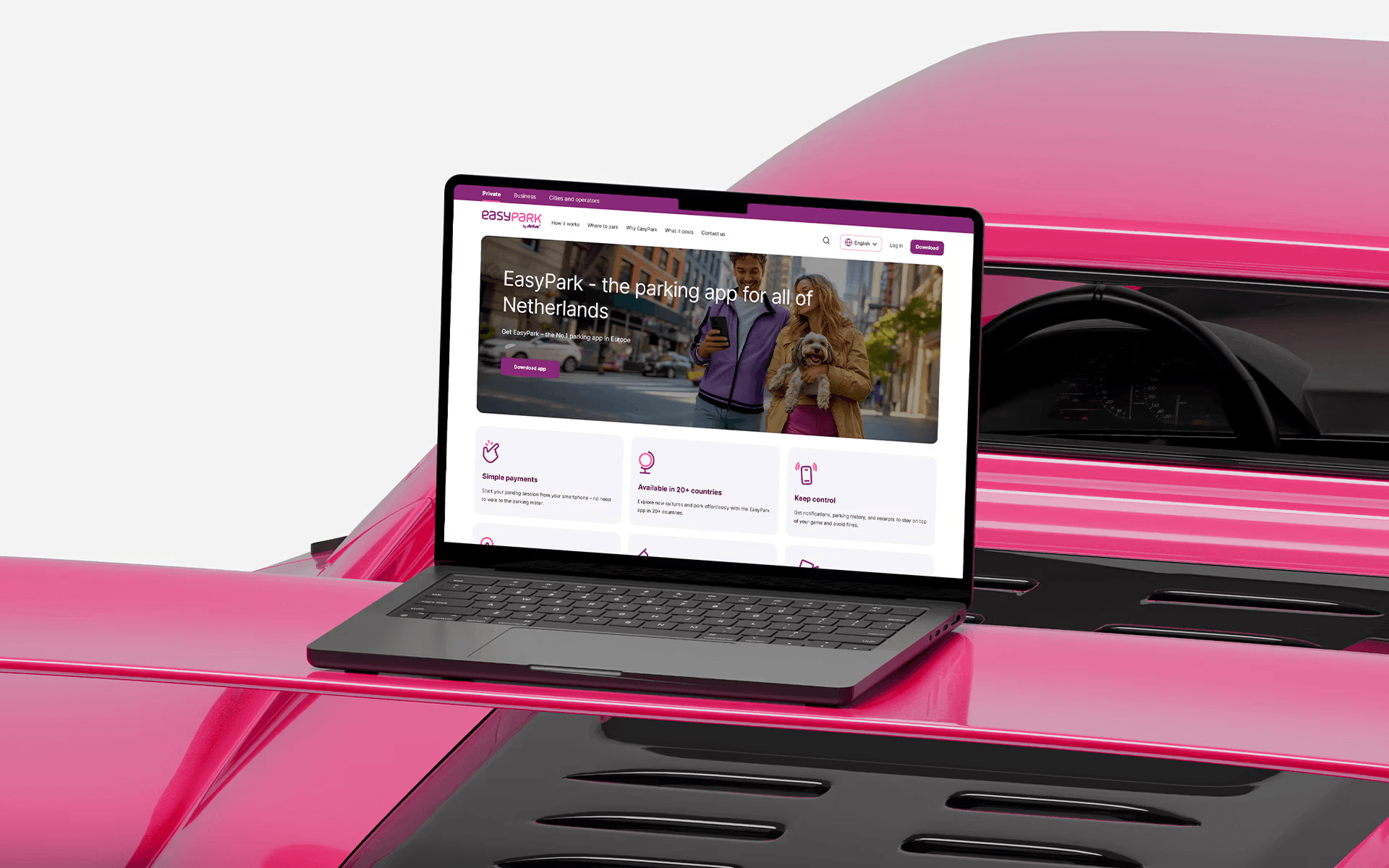

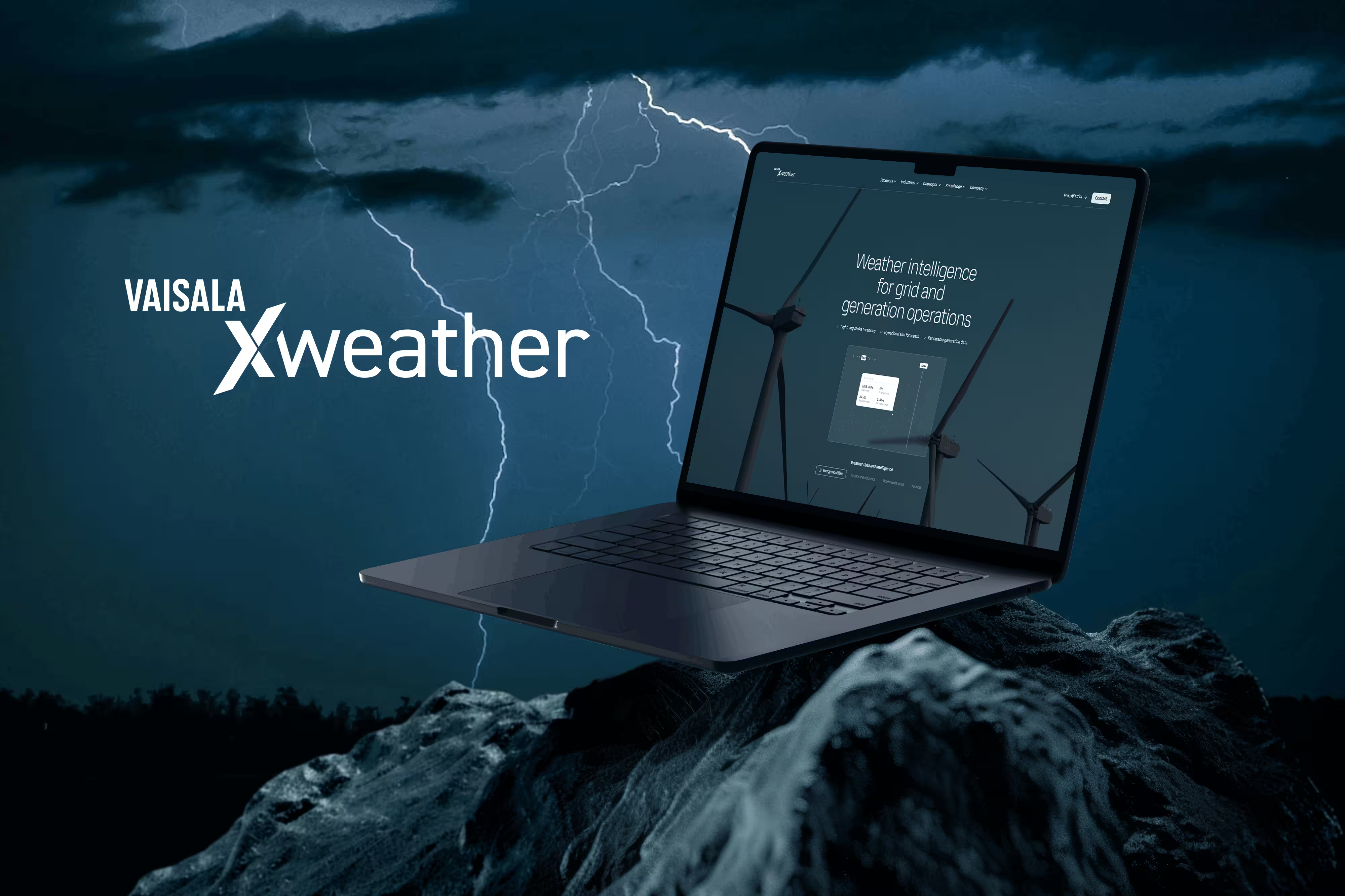
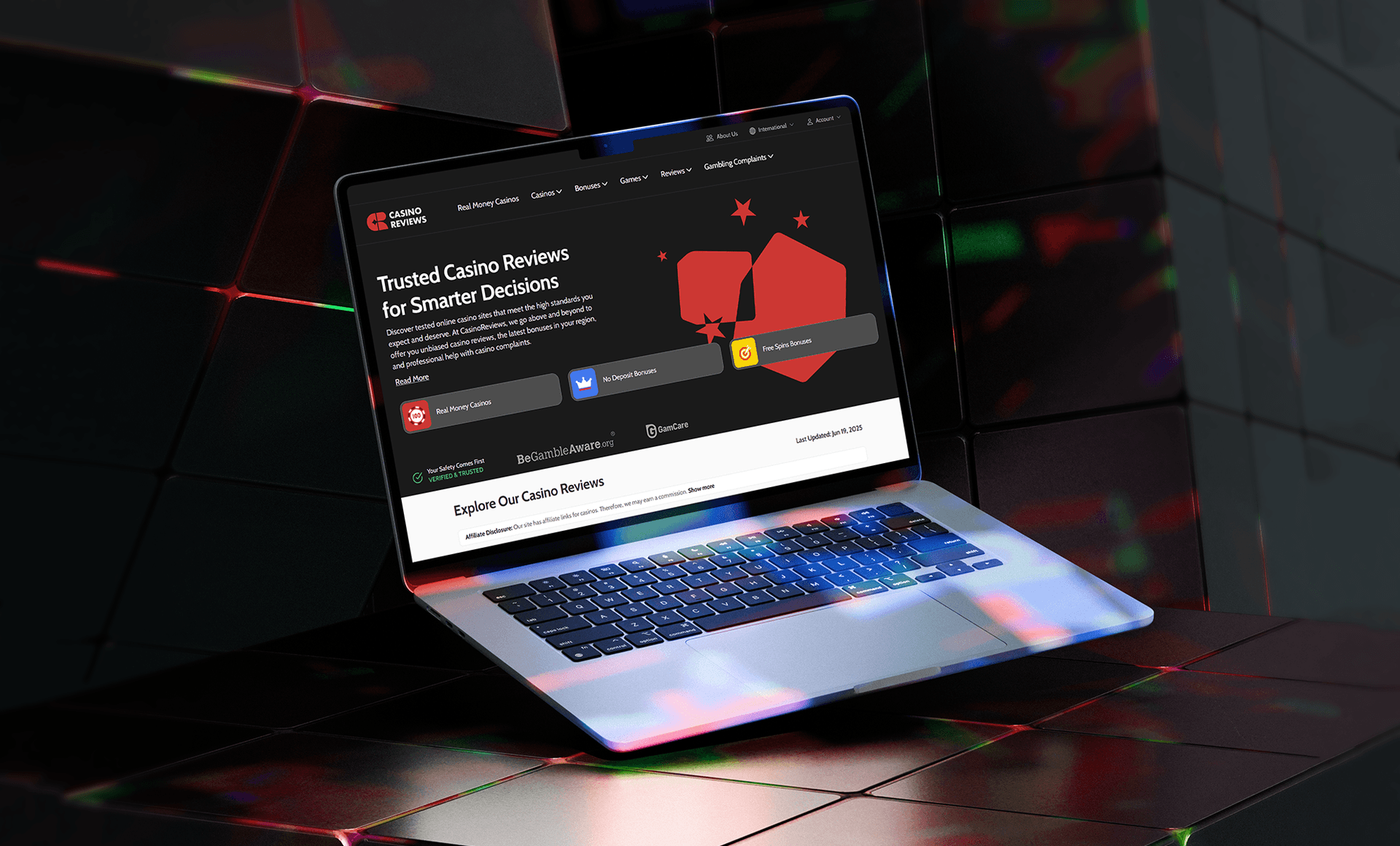
We picked FocusReactive over other partners because of their no-nonsense approach, technical know-how, experience and price. FocusReactive’s work has doubled SEO traffic in the first week and has received positive feedback from stakeholders. A lot of companies have layers of sales on top of them and if you don't plan in advance, you cannot get the resources needed. FocusReactive ensures that you are never blocked because they will prioritise for you.

"FocusReactive has been an exceptional partner, delivering all our requirements ahead of schedule. Their team feels like an extension of ours, understanding our strategy and anticipating our needs. They helped us build two modern, SEO-friendly marketing websites that our marketing team can easily manage without relying on developers. The team is incredibly talented, responsive, and always takes pride in their work. Thanks to FocusReactive, we've been able to scale our marketing efforts more effectively. We couldn’t have asked for a better partner."

FocusReactive completed the project on time and added extra tasks without compromising the schedule. As a result, the client was pleased with the new site's look and feel. FocusReactive held weekly virtual meetings to share accomplishments and questions. They were organized and flexible.

"FocusReactive helped us launch a high-performing website with 20% faster load times and 40% less manual work thanks to seamless integrations. DatoCMS also allowed our team to update content 50% faster, all delivered with clear communication and reliable project management."

Migration from Sitecore to Storyblok
Most migrations take 6–10 weeks, depending on your content volume and number of templates.
Yes, but it’s quick. Most teams learn Storyblok in a few hours because the visual editor is easy to use.
Yes, Storyblok was built for multi-brand, multi-language publishing, with advanced permissions and workflows
No, all important pages, content, and media are safely transferred to Storyblok.
Costs typically drop by 50–70% because Storyblok has no heavy licensing or infrastructure requirements.




.png&w=1920&q=90)