Best Headless CMS for Next.JS
In this article, we'll dive into the updated top headless CMS options to compare their features, benefits, and drawbacks in order to help developers make an informed decision.


We’ve been shipping production Next.js applications for 7+ years. Today, we leverage the framework's cutting edge — App Router, Server Components, and modern caching strategies — to solve complex challenges. Our work spans custom web apps, headless CMS, and composable commerce. We focus relentlessly on architecture, performance, and maintainability, always choosing technologies based on your specific problem rather than a prescribed stack.
While we are an official Vercel integration partner, our engineering remains infrastructure-agnostic. When your strict security or control requirements demand it, we seamlessly deploy and manage Next.js on AWS and custom cloud setups.
Whether architecting a system from scratch or auditing an existing application, we identify architectural flaws, performance bottlenecks, and opportunities to adopt newer framework capabilities — doing so only when they provide a measurable business benefit.
As a specialized Next.js agency, we partner with teams to architect, modernize, and maintain scalable applications.

We design and engineer new Next.js platforms from the ground up. As a dedicated Next.js website agency, we build marketing websites, composable commerce frontends, and custom web applications with architecture that is ready for growth from day one.

We upgrade legacy Next.js codebases, move teams safely from Pages Router to App Router, and fix architectural debt before it compounds into performance bottlenecks and maintenance nightmares.

We provide dedicated Next.js support packages for teams that need a reliable engineering partner after launch. We handle feature delivery, performance optimization, and codebase maintenance on a monthly retainer.


Next.js is the most flexible platform for content projects — covering everything from static generation to hybrid dynamic rendering with granular caching strategies. And it's meant to be hosted wherever you like: Vercel, a competitor, your own cloud, or even your laptop.
Serverless is the default answer, and it's a good one. We size that decision per project, not per framework habit: sometimes the right call is Vercel, sometimes it's a standalone build on AWS or ECS with manual scaling and full control over the runtime. Next.js gives us total architectural freedom — the hosting choice is ours to make, not the framework's to dictate.
Our Next.js development experts have been working with the framework since before it was the obvious choice. Here is how we build today.
We adopt and deploy new framework capabilities as soon as they ship—including Partial Prerendering (PPR), Cache Components, React Compiler, and per-user caching. We don't force every project into a standard boilerplate; we fine-tune the rendering and caching strategy for each individual platform based on actual business requirements.

We design secure, server-first applications where data stays on the server and sensitive logic is never exposed to the client. Our layered architecture (data → adapters → UI) cleanly isolates concerns, ensuring that changes to content models, design systems, or third-party integrations do not break each other.

We build rich, interactive web experiences, not just static marketing layouts. Scroll-driven animations, custom motion systems, interactive data visualizations, and dynamic grids—all engineered to run at 60fps and fully configurable directly from your Headless CMS.
Whether you choose Sanity, Storyblok, Payload, Contentful, or Strapi, our Next.js CMS agency starts from a production-tested architectural baseline.a production-tested architectural baseline. Our proprietary open-source starter kit, refined across dozens of enterprise deployments, means your project begins on a proven foundation for routing, previews, and SEO—not from scratch.
Next.js moves fast, and the rendering strategy that was best practice eighteen months ago isn’t necessarily right today. Before writing a line of code, we assess your content model, hosting environment, and performance targets. Not every page needs SSR, and not every project benefits from the App Router immediately. We map the right strategy to avoid expensive technical debt.
For existing codebases, we run a structured audit. Outdated getServerSideProps patterns, ineffective image optimization, massive bundle sizes, and caching logic that wasn't designed for your current load—we identify what is actually costing you performance and prioritize fixes by business impact.
We build for maintainability. We deliver documented architecture, consistent patterns, and isolated components. When we hand over a Next.js codebase, the in-house developers inheriting it can extend the platform safely without needing us in the room to reverse-engineer every decision.

React framework that enables server-side rendering, routing, and other advanced features for building fast and scalable web applications.

A cloud platform that specializes in deploying and hosting web applications, making it easy to build, deploy, and scale your projects with speed and efficiency. View expertise

A JavaScript library for building user interfaces that allows developers to create interactive and dynamic web applications efficiently. View expertise

Flexible and powerful CMS that empowers teams to create, manage, and deliver content seamlessly, making it a top choice for modern content-driven applications. Sanity service webpage

A headless CMS designed for developers to manage structured content, offering APIs and a visual editor for delivering content to websites and applications in a flexible and programmatic manner. Storyblok service webpage

A CMS that provides a flexible and developer-friendly way to manage and deliver content across various digital channels. Contentful service webpage

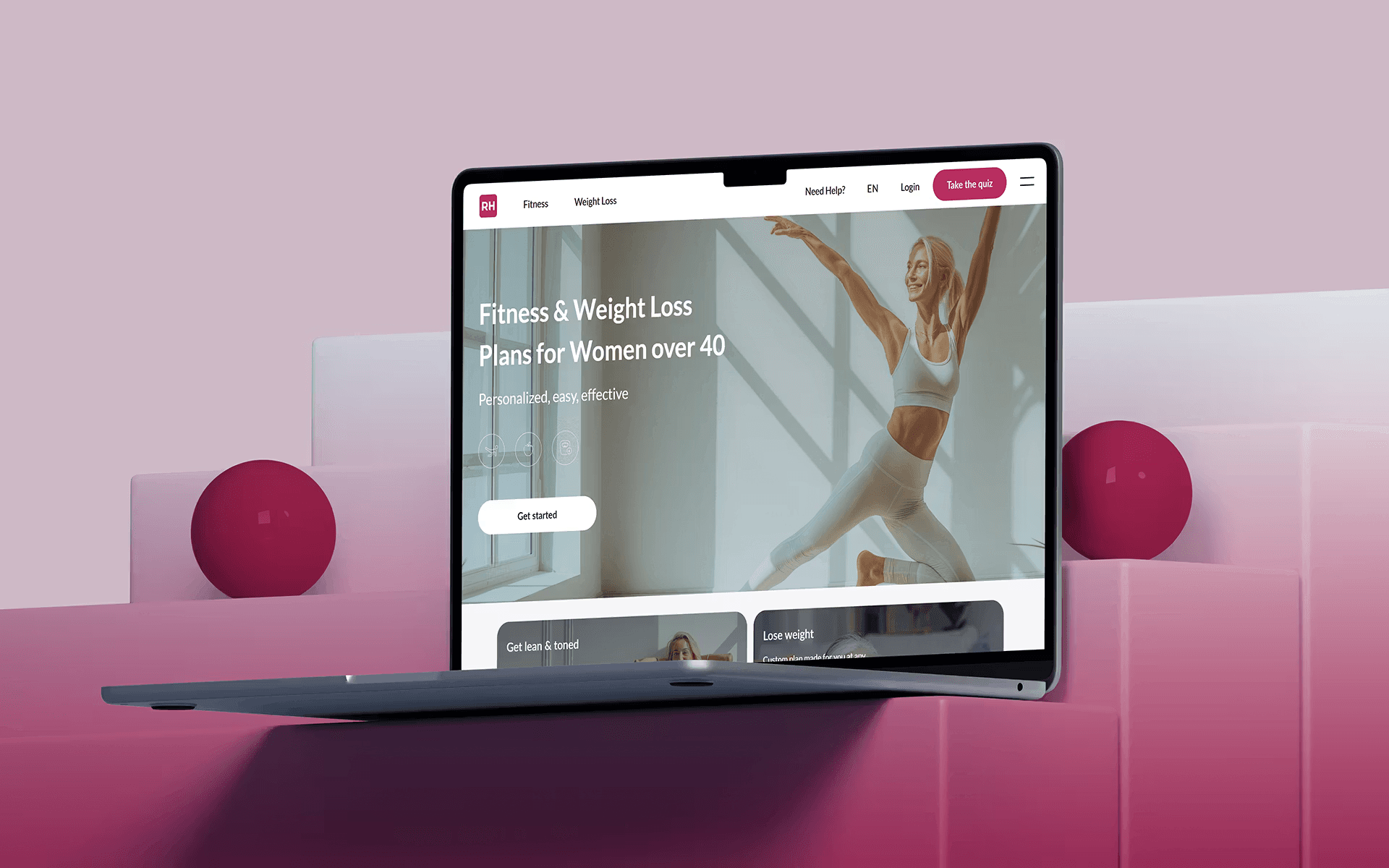


Slow Next.js sites don't announce themselves; performance debt accumulates across releases. We analyze your Core Web Vitals, rendering strategy, image optimization, and App Router migration readiness—then give you a prioritized roadmap to fix it.
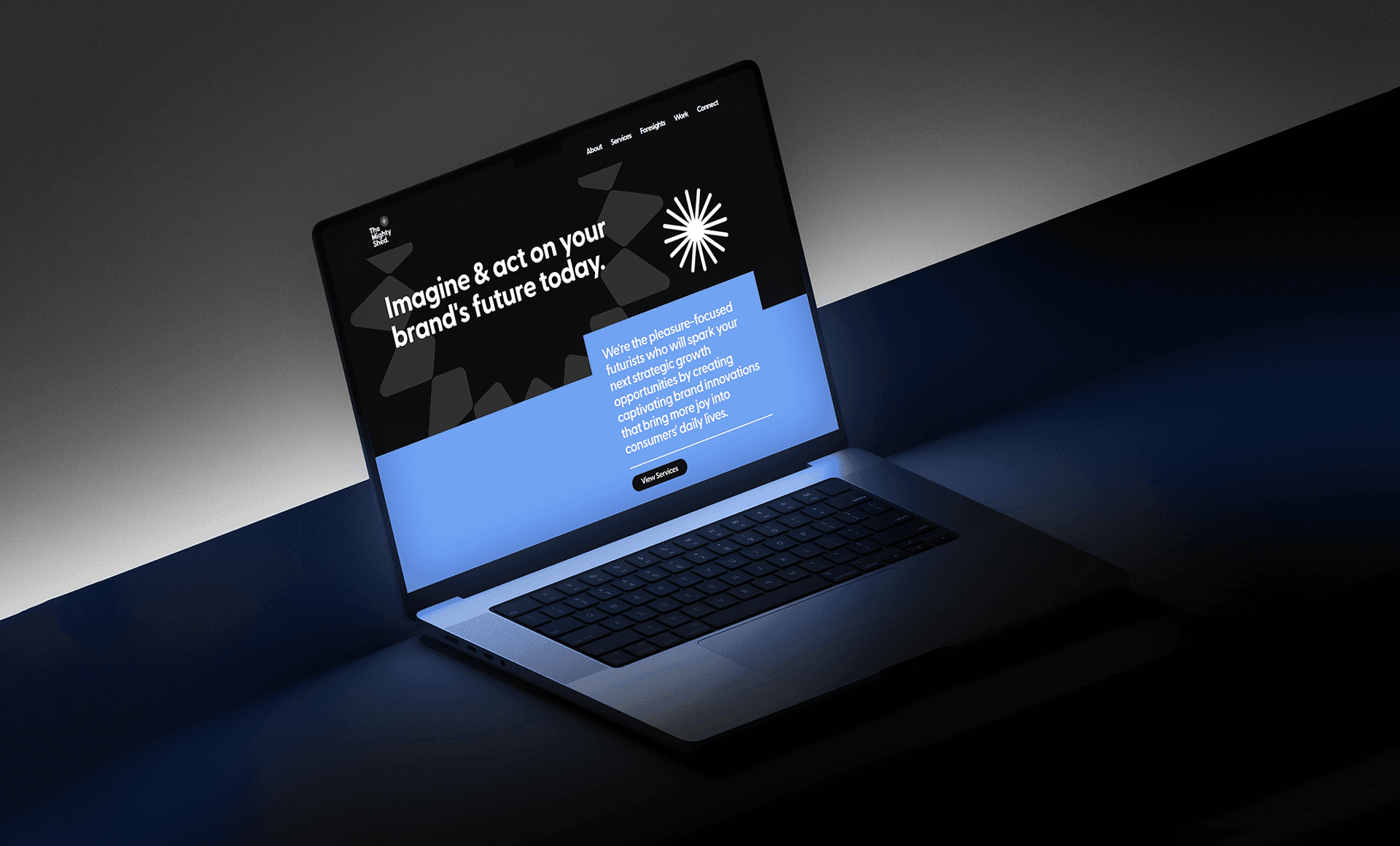
We engineer custom Next.js storefronts connected to Shopify and headless commerce backends. We solve the hard problems: handling large product catalogs, dynamic pricing, and real-time inventory while maintaining sub-second page loads and editorial flexibility.

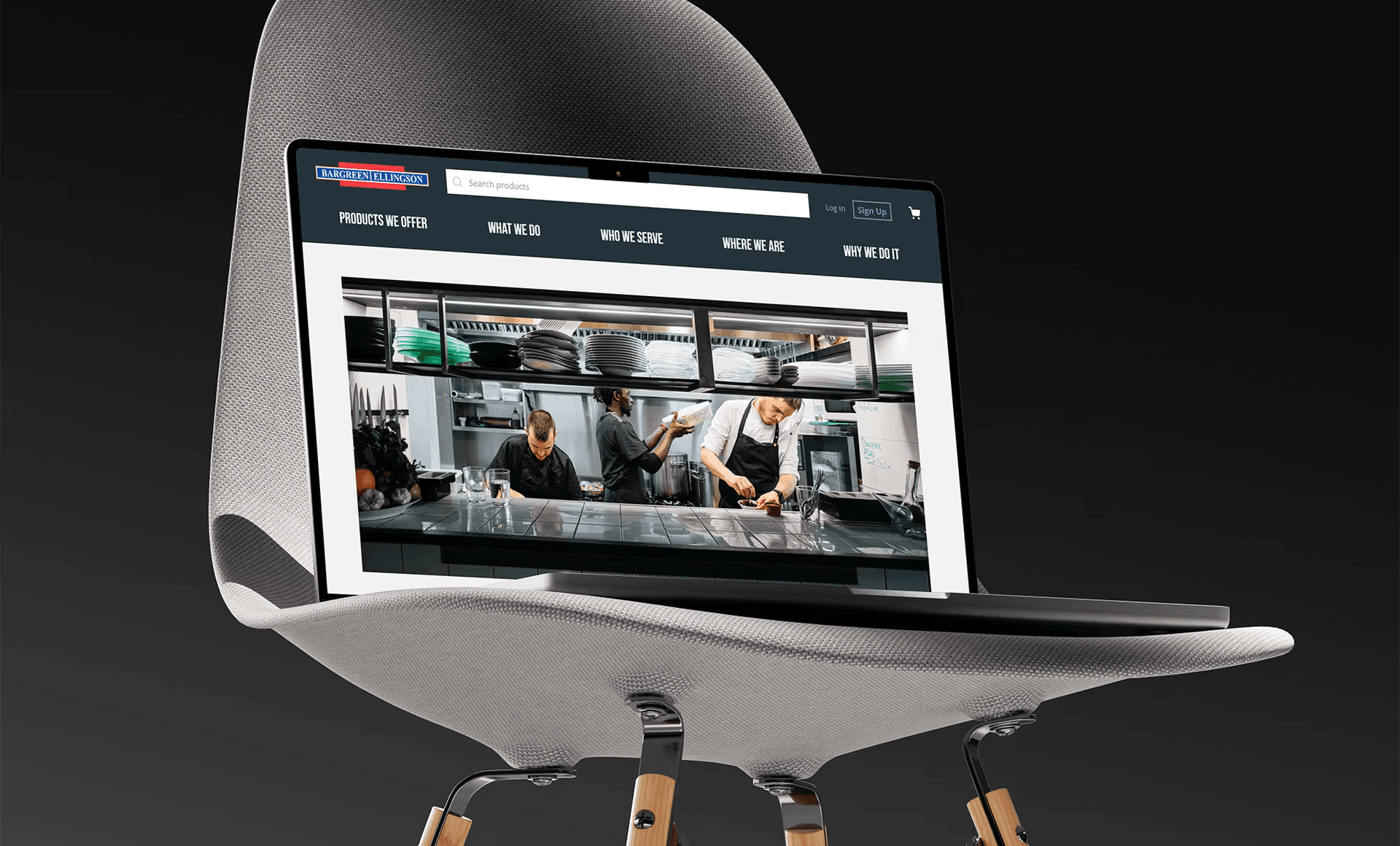
We build high-performance content platforms for marketing teams that need to move fast. As a Next.js CMS agency, we integrate Headless CMS architecture, multi-market localization, and custom editorial workflows so your team can publish and iterate without raising a developer ticket.
Answers to common questions about Next.js development, headless architecture, and how a dedicated Next.js agency approaches migrations, performance, and rendering strategy.
Yes, a significant part of our work is auditing, stabilizing, and modernizing existing Next.js applications. This includes architectural cleanup, performance tuning, migration planning, and ongoing engineering support for legacy codebases.
For your Next.JS project, selecting a CMS that offers flexibility, scalability, and easy content management is crucial. Based on the detailed comparison in our article, we recommend exploring options like Sanity, Storyblok, and Contentful. Each has unique features tailored to Next.JS, enhancing both developer and content creator workflows. For an in-depth analysis, check out our Best Headless CMS for Next.JS article.
Yes, Next.JS offers static site generation capabilities, allowing developers to pre-render pages at build time, ideal for sites with unchanging content.
Next.JS enhances SEO by improving page load speed through SSR and SSG, ensuring content is indexable and crawlable by search engines.
Our research highlights top choices such as Sanity, Storyblok, and Contentful, which offer powerful development features and flexibility. Dive into our ReactJS CMS article for a comprehensive guide on selecting the best CMS for React.
It depends on the scope, but most Next.js projects fall into three categories. A focused marketing site or content platform with a headless CMS integration typically takes six to twelve weeks from scoping to production. A more complex build — custom editorial workflows, multi-market localisation, commerce integration, or a migration from an existing stack — runs twelve to twenty weeks. The timeline is almost always determined by content modelling and integration complexity, not the Next.js development itself.
Absolutely. We work with teams on an ongoing basis to deliver features, improve performance, maintain code quality, and provide technical continuity where in-house bandwidth is limited. We offer structured retainers and support packages tailored to your needs.
Yes. While we work closely with Vercel as an official integration partner, our engineering is not tied to a single platform. We frequently deploy and optimize Next.js on AWS and other cloud infrastructure for clients who require self-hosting, custom pipelines, or strict operational control.
Check whether they are true Next.js development experts or if it's just one framework on a long list. Look for published technical work — case studies, blog posts, open source contributions — that demonstrates they understand the framework at the level of tradeoffs, not just syntax.
Then ask specific questions: how do they approach App Router vs Pages Router? How do they handle CMS integration? Vague answers to specific questions tell you everything.
The other signal is longevity. Next.js has changed significantly across major versions — the agency you want has navigated those changes across real client projects, not just followed the release notes.





.png&w=1920&q=75)