Best Sanity and Storyblok CMS alternatives

Headless CMS (Content Management System) is a big competitive advantage for businesses on today's market. It gives flexibility when working with content across different platforms. For bigger companies, headless CMS can help manage multiple brands and markets in the same place. Including different languages.
It's fair to say that Sanity and Storyblok are the most recognized headless CMS platforms in 2025.
Both are established companies with great and reliable products, backed by big investors. They come with a long list of features - visual page builders, live preview, role management, publishing workflows, and beyond.
However, when it comes to choosing a headless CMS stack, it's not always straightforward. Every platform has its pros and cons. Just choosing the most popular solution doesn't mean it's the right solution for you.
Lack of consideration and due diligence might cost a company a significant amount of money (tens or even hundreds of thousands of dollars), and what's more important - time.
In 2025 we helped 15+ clients make the right decision and choose the right stack for their business.
This led to:
- smaller recurring costs
- greater content team velocity and control
- no vendor lock-in
- better strategic positioning
- higher ROI
In this article, you will learn how we think about choosing the right headless CMS and technology stack, depending on requirements. You will get a perspective on what factors matter the most from a business stand point when choosing your stack.
4 Reasons to Consider Alternatives to Sanity and Storyblok
Here are the 5 situations that bring businesses to evaluate alternatives:
1. Unpredictable costs
Both platforms use usage-based and per-seat pricing. It's fair, but not for everyone. Sanity and Storyblok charge for the number of API requests, bandwidth, assets, documents, and more. If you have a spike in traffic, your bill might go up significantly in days or even hours. Same when you hire more people and need to give them access to the CMS.
For example, storyblok made pricing changes in April 2025, and some customers reportedly saw 850% increases due to changed pricing for locales and images. Both platforms used to gatekeep features like SSO and advanced roles behind expensive tiers. When you can't predict costs, it becomes a problem.
2. Complexity is exploding when scaling
Typically you start with one product, one market, one brand, one website. Most of the solution are good for that. But when you start expanding, here comes the friction. Sanity and Storyblok can technically handle multi-brand setups,using different approaches. Sanity requires multiple projects or complex dataset configurations, and Storyblok has a space-based architecture. There are not many options to choose from, actually.
When your current system can't scale - or you need to hire more people to manage the complexity - it's time to evaluate alternatives.
3. Vendor lock-in is real
Products like Sanity and Storyblok are SaaS, which means they have full control over your data and infrastructure. The data is stored in proprietary formats, not compatible with standard databases like PostgreSQL. Often migration requires significant effort. Choosing such dependency means accepting elevated risk levels. As an example, your business domain might not be aligned with terms of use of Sanity or Storyblok. And they will force you to migrate elsewhere.
This is why self-hosting is becoming more and more common requirement these days when choosing a headless CMS.
4. Integrations
Sanity has developed a big ecosystem around itself. Including both official and community plugins, active community, templates and modern up-to-date features. Storyblok, on the other hand, has a closed, proprietary plugins system. You can’t just create a plugin and add it to your project. To create a plugin you need a special account and there is no way to add an open source plugin and add it to your project.
Ironically, storyblok made a survey, confirming this frustration:
Nearly all respondents (93%) expressed frustration with limited integration options with other services and tools in their tech stack, with 38% stating they constantly need a better integration experience.”
Source: https://www.storyblok.com/mp/storyblok-research-monolithic-cms
You need to expect to spend extra resources on getting all the features right, including A/B testing, personalization, AI and beyond.
Types of alternatives
There are dozens of headless CMS on the market. But not all of them can really replace Storyblok and Sanity. Among those who can there are both open-source as well as hosted SaaS options.
Open-source Sanity and Storyblok alternatives:
- Payload CMS — TypeScript-native, you own your database
- Strapi — largest open-source community, flexible and mature
- Directus — wraps any SQL database (free for businesses under $5m revenue, paid above)
SaaS Sanity and Storyblok alternatives:
- Prismic — generous free tier, Slice-based visual editing
- Contentful — enterprise-grade, large integration ecosystem
- Hygraph — GraphQL-native, content federation
Now let's evaluate each one according to the parameters covered earlier.
How much will the CMS cost?
 Unexpected skyrocketed costs
The main question every business asks. Knowing the right answer will help you project costs and plan your business with no surprises.
Lets consider 3 use cases (UC) and evaluate how much Sanity and Storyblok will cost. This will be a baseline for us to evaluate against.
- The growing business with a small team, 3 person team
- Business that needs to go global. 10 person team with 3 locales
- Enteprice business with 30 ppl team and 6 locales
| Platform | Monthly Cost | Annual Cost | Breakdown |
|---|---|---|---|
| UC1: Growing (Sanity) | $85 | $1,020 | 3× Growth seats @ $15 each + $40 Vercel (deploy infrastructure) |
| UC1: Growing (Storyblok) | $139 | ~$1,468 | 1× Growth Plan (incl. 5 seats) + $40 Vercel (deploy infrastructure) |
| UC2: Global (Sanity) | $250 | $3,000 | 10× Growth seats @ $15 each + $100 Vercel (deploy infrastructure) |
| UC2: Global (Storyblok) | $219 | ~$2,308 | 1× Growth Plan (incl. 5 seats) + 5 additional seats @ $15 each + 1× additional locale @ $20 + $100 Vercel (deploy infrastructure) |
| UC3: Enterprise (Sanity) | $550 | $6,600 | 30× Growth seats @ $15 each + unlimited locales + $100 Vercel (deploy infrastructure) |
| UC3: Enterprise (Storyblok) | $674 | ~$7,484 | 1× Growth Plus Plan (incl. 15 seats + 10 locales) + 15 additional seats @ $15 each + $100 Vercel (deploy infrastructure) |
As we can see both solutions are in the same price bracket.
Payload CMS
Payload CMS is open-source next.js native CMS. It does not require any license or subscription. The only costs are infrastructure to deploy the project and database provider. You will have unlimited seats and modification capabilities.
For smaller and mid size projects the total infrastructure cost is approximately $50 per month or $600 per year.
For enterprise level projects the server costs might go up to $150 per month or $1800 per year.
| Use Case | Monthly (Vercel) | Annual (Vercel) | Breakdown (Vercel Path) |
|---|---|---|---|
| UC1: Growing | $50 | $600 | $50 Vercel Infrastructure + $0 Seats / Locales |
| UC2: Global | $50 | $600 | $50 Vercel Infrastructure + $0 Unlimited Locales |
| UC3: Enterprise | $150 | $1,800 | $150 Vercel “Pro / High-Scale” Infrastructure |
The simpliest way is to host on Vercel. But when Vercel becomes expensive, we have an option to self-host Payload on a private server, which will reduce costs significantly.
Strapi
Strapi is an open-source Node.js headless CMS. The Community Edition is completely free under the MIT license with unlimited seats and locales. For teams needing advanced features, Strapi offers the Growth Plan. This plan starts at $45/month. It has 3 seats; additional seats are $15/month each. For enterprise features you will have to pay extra, at least.
For smaller and mid-size projects using the free Community Edition, the total cost is purely infrastructure. Hosted on a private server (VPS) price is going to be around $50 per month or $600 per year, similar to Payload.
For global and enterprise-level projects, infrastructure costs scale with traffic and database needs, often reaching $150 per month or $1800 per year. Plus necessary Growth or Enterprise licensing fees.
| Use Case | Monthly Cost | Annual Cost | Breakdown |
|---|---|---|---|
| UC1: Growing | $95 | $1,140 | $50 VPS + $45 Growth Base (3 seats incl.) |
| UC2: Global | $200 | $2,400 | $50 VPS + $150 Growth (3 incl. + 7 extra @ $15) |
| UC3: Enterprise | $600+ | $7,200+ | $150 High-Scale VPS + $450 Growth (30 seats) |
Directus
Directus is an open-source data platform and headless CMS. Under its BSL 1.1 license, it is completely free for organizations with less than $5 million in total annual revenue. This includes unlimited users, locales, and all core features. There are no per-seat fees or hidden fees for features.
Same as with Payload here, the cost is purely infrastructure. Averaging $50 per month or $600 per year for small-mid size projects. Enterprise level projects will cost around $150 per month or $1800 per year. Licensing remains $0 until the revenue threshold is not exceeded.
| Use Case | Monthly (Self-Hosted) | Annual (Self-Hosted) | Breakdown |
|---|---|---|---|
| UC1: Growing | $50 | $600 | $50 VPS Infrastructure + $0 Licensing (3 seats included) |
| UC2: Global | $50 | $600 | $50 VPS Infrastructure + $0 Licensing (10 seats + 3 locales included) |
| UC3: Enterprise | $100 | $1,200 | $100 Private Server (Enterprise scale) + $0 Licensing (30 seats + 6 locales included) |
Directus also offers managed cloud hosting for teams who prefer not to manage infrastructure. The Professional Cloud tier is $99/month with 5 Studio Users included, and additional users cost $15/month each.
| Platform | Monthly Cost | Annual Cost | Breakdown |
|---|---|---|---|
| UC1: Small Team (Directus Cloud) | $99 | $1,188 | $99 Professional Cloud (3 of 5 included seats used) |
| UC2: Global (Directus Cloud) | $174 | $2,088 | $99 Professional + $75 (5 extra seats × $15) + $0 Locales |
| UC3: Enterprise (Directus Cloud) | $474 | $5,688 | $99 Professional + $375 (25 extra seats × $15) + $0 Locales |
Now lets take a look at what other SaaS can offer.
Prismic
Prismic is a cloud-hosted headless CMS with a generous free tier. Projects have strict seat and locale limits at each tier.
- The Free plan - 1 user and 2 locales
- Small Plan - $25/month. Covers up to 7 users and 4 locales.
- Medium Plan - $150/month. Supports 25 users and 5 locales.
- Platinum Plan - $675/month. Unlimited users, but capped at 8 locales.
The main bottleneck here is locales. If you plan to have more than 8 localized, you will be forced to enterprise and your price will go up drastically.
| Use Case | Monthly Cost | Annual Cost | Breakdown |
|---|---|---|---|
| UC1: Growing | $25 | $300 | Small Plan (7 users, 4 locales included) |
| UC2: Global | $150 | $1,800 | Medium Plan (25 users, 5 locales included) |
| UC3: Enterprise | $675 | $8,100 | Platinum Plan (Unlimited users, 8 locales) |
Contentful
Contentful is an enterprise-grade "Content Infrastructure" platform featuring a vast integration ecosystem and robust workflow tools. While highly scalable, the platform is known for a significant pricing jump between its free and entry-level paid tiers. The Free plan is relatively generous, supporting up to 10 users and 2 locales for small-scale projects.
Stepping up to the Lite Plan costs $300/month, providing 20 seats and 4 locales. Beyond these limits, organizations must move to the Premium Plan, where custom contracts typically range from $45,000 to over $70,000 annually, depending on additional "spaces," governance features, and API throughput.
| Use Case | Monthly Cost | Annual Cost | Breakdown |
|---|---|---|---|
| UC1: Growing | $0 | $0 | Free Plan (10 users, 2 locales included) |
| UC2: Global | $300 | $3,600 | Lite Plan (20 users, 4 locales included) |
| UC3: Enterprise | $3,750+ | $45,000+ | Premium Plan (Negotiated Enterprise Contract) |
Hygraph
Hygraph (formerly GraphCMS) is a GraphQL-native headless CMS designed for content federation and complex data modeling. The Hobby plan is free for up to 3 users and 2 locales, offering a powerful entry point for developers. However, the transition to production-ready paid tiers begins at $199/month, representing one of the higher entry costs in the market.
The Growth Plan ($199/month) provides 20 seats and 8 locales, which suits most mid-market "Global" use cases. High-traffic applications or those requiring advanced caching and governance move to the Scale Plan, starting at $899/month.
| Use Case | Monthly Cost | Annual Cost | Breakdown |
|---|---|---|---|
| UC1: Growing | $0 | $0 | Hobby Plan (3 users, 2 locales included) |
| UC2: Global | $199 | $2,388 | Growth Plan (20 users, 8 locales included) |
| UC3: Enterprise | $899+ | $10,788+ | Scale Plan (Higher traffic & support limits) |
Costs comparison by use case
Below is the consolidated comparison of all covered CMS platforms for each use case. The data is current at the end of 2025 and sorted by Annual Price (Low to High).
Use Case 1: Growing (approx. 3 Users, 1-2 Locales). This tier is ideal for small teams or startups just moving past the solo phase.
| Platform | Monthly Cost | Annual Cost | Pricing Breakdown |
|---|---|---|---|
| Contentful | $0 | $0 | Free Plan (10 users, 2 locales included) |
| Hygraph | $0 | $0 | Hobby Plan (3 users, 2 locales included) |
| Prismic | $25 | $300 | Small Plan (7 users, 4 locales included) |
| Payload | $50 | $600 | $50 VPS Infrastructure + $0 Licensing |
| Directus | $50 | $600 | $50 VPS Infrastructure + $0 Licensing |
| Sanity | $85 | $1,020 | 3 Growth seats ($45) + $40 Vercel Infrastructure |
| Strapi | $95 | $1,140 | $50 VPS + $45 Growth Base (3 seats incl.) |
| Directus (Cloud) | $99 | $1,188 | Managed Cloud (5 seats included) |
| Storyblok | $139 | $1,668 | $99 Growth Plan (5 seats) + $40 Vercel |
We can see that Storyblok is the most expensive option, with Sanity roughly in the same price bracket.
For small, slowly growing businesses hosted solutions like Contentful and Hygraph are basically free. It might help if you are looking for ways to cut costs and not concerned about future migration.
Self hosted solutions like Payload and Directus at $600 annually, which is reasonable and fair, considering advantages.
Verdict: We think that for a company that is going to scale and have more content, users, markets, the best option is Payload CMS and Directus. These 2 options provide predictable prices, with simple ways to scale even further, without sacrificing features.
Use Case 2: Global (approx. 10 Users, 3-5 Locales). At this scale, per-seat licensing and locale limits begin to significantly impact the budget.
| Platform | Monthly Cost | Annual Cost | Pricing Breakdown |
|---|---|---|---|
| Payload | $50 | $600 | $50 VPS + $0 Licensing (Unlimited Seats/Locales) |
| Directus | $50 | $600 | $50 VPS + $0 Licensing (Unlimited Seats/Locales) |
| Prismic | $150 | $1,800 | Medium Plan (25 users, 5 locales) |
| Directus (Cloud) | $174 | $2,088 | $99 Cloud + $75 (5 extra seats @ $15) |
| Storyblok | $219 | $2,628 | Growth Plan + 5 seats + 1 locale + $40 Vercel |
| Hygraph | $239 | $2,868 | Growth Plan ($199) + $40 Infrastructure |
| Strapi | $250 | $3,000 | $100 VPS + $150 Growth (10 seats total) |
| Sanity | $250 | $3,000 | 10 Growth seats ($150) + $100 Vercel |
| Contentful | $300 | $3,600 | Lite Plan (20 users, 4 locales) |
If you were to start with hygraph or prismic, now you can see how prices would escalate when you grow. Contentful: 0 -> $3600, Hygraph: 0 -> $2628. But now you have already invested time into CMS, all your content is there and you are tied to third-party infrastructure. In this case migration should be considered.
Expectedly, the price of Payload and Directus have not been changed and stayed at $600 per year.
Verdict: Choosing tech stack at this stage is a strategic decision. We think that the best options in this scenario are self-hosted Payload or Directus. They will keep prices predictable and controllable, while giving you full control over the system.
Use Case 3: Enterprise (30+ Users, 6+ Locales). Enterprise pricing might rise suddenly, exponentially, and might involve custom contract negotiations.
| Platform | Monthly Cost | Annual Cost | Pricing Breakdown |
|---|---|---|---|
| Payload | $100 | $1,200 | $100 High-Scale VPS + $0 Licensing |
| Directus | $100 | $1,200 | $100 High-Scale VPS + $0 Licensing |
| Directus (Cloud) | $474 | $5,688 | Managed Cloud ($99) + 25 seats ($375) |
| Sanity | $550 | $6,600 | 30 Growth seats ($450) + $100 Vercel |
| Strapi | $600 | $7,200 | $150 High-Scale VPS + $450 Growth (30 seats) |
| Storyblok | $774 | $9,288 | Growth Plus Plan (15 seats) + 15 seats + $100 Vercel |
| Prismic | $675 | $8,100 | Platinum Plan (Unlimited users, 8 locales) |
| Hygraph | $999+ | $11,988+ | Scale Plan ($899) + $100 Infrastructure |
| Contentful | $3,750+ | $45,000+ | Premium Plan (Enterprise contract minimum) |
At the top we can see Payload and Directus. That’s expected because our only cost is infrastructure and we can scale it by simply increasing resources on the platform. No negotiations, contracts, hidden subscriptions.
Hygraph and Contentfull are in 5 digits. Confirming the point that they don't scale. Sanity and Storyblok are in the middle, with reasonable prices compared to other SaaS solutions, but still expensive compared to self-hosted Payload or Directus.
Verdict: Payload or Directus.
What will work for you?
Hygraph or Contentful is your choice if you have a small business or are looking for ways to cut costs as much as possible. You accept a high probability of migration in the future, when it's time to scale.
For all other teams, no matter the size, we recommend Payload CMS or Directus. This tech stack ensures cost predictability and will go a very long way for you. Strategically positioning you for scaling.
Different types of scaling
 Multibrand and multilanguage CMS
There are three dimensions, leaving out technicals:
- Multi-tenancy (multi-brand or multi-site). You want to handle different projects in the same place.
- Multi-market with different languages.
- Content reuse. Across channels and projects.
Manage multiple websites in one place
Controlling sites or brands from the same place is not always trivial. Some CMSs have patterns to do so, while in others we have to improvise, using available tools.
Storyblok
Let’s take Storyblok. There is no native way to handle that. In Storyblok it’s typically implemented using spaces (dedicated space for every project). It’s not the most convenient way, but it works.
Sanity
Sanity, on the other hand, has a perfect method for that - workspaces. It will allow you to have a single project with multiple workspaces, reusing all the content types. The content in workspaces is isolated, but you still can cross reference it, when required.
Contentful
Contentful uses spaces, similar to Storyblok. Each brand or site gets its own space. Sharing content between spaces isn't straightforward.
Prismic
Prismic follows the same pattern with repositories, where repositories are isolated collections of content. Cross-repository content access is not possible. It will require content duplication with attached maintenance burden or require custom solutions.
Hygraph
Hygraph has a unique approach called content federation. You can connect multiple projects and query across them all. It's the most flexible option among SaaS options after Sanity.
Payload
Multi-tenant architecture can be easily archived using the official plugin in Payload. Payload gives you full control of what to do and how to do it. Content cross reference is possible, but will require some customizations.
Strapi
Strapi can handle multi-site, but it requires planning upfront. You'll typically use a combination of custom fields and role-based access to separate brands within one instance. It works, but you're designing the system yourself.
Directus
Directus wraps your database, so multi-brand structure should be already part of your system. The CMS reflects your data structure, not the other way around.
Verdict: two best options here are Payload and Sanity. Payload gives slightly better flexibility, but Sanity is still a great option.
How to go multi-market with different languages
Localization is a common scaling requirement. Most platforms support it, but implementations and costs might vary. To learn about localization in depth - check out this article (https://focusreactive.com/headless-cms-content-localization-with-ai/).
Storyblok
Storyblok has multiple built-in localization options: field-level and folder level. It works well, but becomes expensive quickly.
Sanity
Sanity supports the same localization approaches: through document-level and field-level approaches. Sanity doesn’t have per-language fees, so localization cost is bundled into your plan.
Contentful
Contentful has solid localization support with multiple locales per space. But more locales often means upgrading plans and paying more.
Prismic
Prismic handles localization at the document level, per repository. Each document can have multiple language versions, tied together by a master document. No per-language fees on most plans.
Hygraph
Hygraph offers localization at the field level. Included in plans without language fees. Works well, though fewer companies have battle-tested it at scale compared to Contentful or Sanity.
Payload
Payload has built-in localization at the field level. You have granular control over schema and configure it as your business requires. No fees or limits.
Strapi
Strapi has an internationalization plugin (i18n) built into core. Works at content-type level. No extra cost for languages. Mature and well-documented.
Directus
Directus supports translations through a dedicated translations interface. You define which fields are translatable. Database-level control means no limits on languages or structure.
Verdict: SaaS platforms often charge per language or gate localization behind higher tiers. Often, despite clients paying for those features, the solution might require additional work.
How to reuse content across channels and projects
This is the main promise of headless CMS: create once, deliver everywhere. Website, mobile app, email. Same content, different channels.
Most CMS have great API, SDKs, and documentation, which allow them to connect it to third party platforms.
3 steps how to choose right CMS for scaling
95% of scaling requirements will be achieved by:
- Choose CMS and hosting infrastructure, based on requirements
- Select type of tenants/brands/projects setup you want your CMS to have
- Think about markets and languages
The last 5% is always about details, specific requirements and conditions of the project.
How to avoid vendor lock-in when choosing CMS
 Inability to export critical data from the CMS
SaaS products will always control your data and you can’t opt in. In some cases it’s impossible because of proprietary technology (Sanity’s Content lake). In other cases CMS features are built on top of it and companies don’t have incentive to let people opt-out.
Both Sanity and Storyblok, as well as other SaaS CMS like Contentful, Prismic, Hygraph won’t let you use your database or storage of choice.
But you will be able to export data. Sometimes it already comes in the format you expect, sometimes extra work required to normalize exported data. Fewer CMS offer native data import.
One way to avoid being locked-in with vendors is to choose an open-source CMS. Open-source means you don't have to pay anything for the technology, it's free to use and modify.
Payload allows you to choose different types of databases: PostgreSQL, SQLite, MongoDB. You can use an existing database or create a new one from scratch. You can choose a provider, region, and achieve more specific goals.
Directus is a database-first CMS. But supports only SQL databases. Directus is a layer on top of an existing database, which doesn't require schema modifications or migrations.
Strapi offers the same flexibility when choosing a database. But only limited to the most popular ones, like PostgreSQL, SQLite and few others, similar to Directus. To make it work you will need to modify your database schema and run migrations. If you want to have control over your data and database - choose from open-source options.
Integrations and plugins ecosystem
 Tools you want your CMS to be integrated with
Every business needs integrations - analytics, A/B testing, personalization, translation, AI and more. It’s important your CMS of choice has a way to connect with other services and platforms.
Open plugin ecosystems:
- Sanity
- Payload
- Strapi
Sanity has a mature ecosystem with official and community plugins. If they don’t have integration you need - you can simply develop it yourself. Sanity is open-source, therefore the plugins there are also free and don't require approvals.
Payload follows the same approach. List of official and community plugins make it a great choice for CMS. If you can’t find required plugin in the list - you can build it and use in the project.
Strapi also has a relatively big open-source plugins marketplace. Community-driven, lots of options. But quality might vary - some plugins are well-maintained, others abandoned.
Closed or limited ecosystems:
- Storyblok
- Prismic
- Contentful
- Hygraph
Storyblok has a closed, proprietary plugin system. Creating a plugin requires a special developer account. So you can’t add plugins directly. If plugin you are looking for is not there, you might want to consider an alternative CMS.
Prismic has no plugin system.
Contentful has a marketplace with plugins and integrations. You can build custom apps, but the process has more friction. You will need to follow guidelines and wait for approval. Enterprise plans unlock more integration options.
Hygraph also has a marketplace with integrations and supports custom resolvers for external data. It’s more flexible than Prismic, less open than Sanity or Payload.
Directus takes a different approach. It sits on your database. Integrations happen at the data layer or via flows (built-in automation). No traditional plugin system, but you're not locked out - you control the database directly.
If you want to be able to extend your CMS experience with custom integrations and plugins, Payload and Sanity will help you achieve this with less friction. In some cases enterprise features might be implemented inside plugins, which can help you reduce costs significantly. This opens up huge opportunities, when you pick the right CMS.
Here are some examples of capabilities you can add to your CMS using plugins:
- A/B testing
- AI content operations (keywords, summary, translation)
- SSO
Comparison Matrix
Let's see how each platform performs across the four key dimensions:
 CMS comparison matrix chart
| Platform | Cost Predictability | Multi-brand / Multi-language | Data Ownership | Plugin Ecosystem |
|---|---|---|---|---|
| Sanity | Medium — per-seat pricing, usage-based | Good — workspaces work well | No — proprietary Content Lake | Open — mature ecosystem |
| Storyblok | Low — language pricing cliff, per-seat | Limited — space-based workarounds | No — proprietary storage | Closed — requires approval |
| Payload | High — infrastructure only | Excellent — official multi-tenant plugin | Full — your database (Postgres, MongoDB, SQLite) | Open — npm packages |
| Directus | High — free under $5M revenue | Excellent — database-level control | Full — wraps your SQL database | Different — database + flows |
| Strapi | Medium — free self-hosted, paid tiers for features | Good — requires upfront planning | Full — your database (Postgres, MySQL, SQLite) | Open — large marketplace |
| Prismic | Medium — plan tiers, locale limits | Limited — isolated repositories | No — proprietary | None — no plugin system |
| Contentful | Low — steep jump to enterprise | Limited — isolated spaces | No — proprietary | Marketplace — approval required |
| Hygraph | Low — high entry cost at $199/month | Good — content federation | No — proprietary | Marketplace — custom resolvers |
Quick annual cost comparison:
| Platform | Growing (3 users) | Global (10 users, 3 locales) | Enterprise (30 users, 6 locales) |
|---|---|---|---|
| Payload | $600 | $600 | $1,200 |
| Directus | $600 | $600 | $1,200 |
| Prismic | $300 | $1,800 | $8,100 |
| Sanity | $1,020 | $3,000 | $6,600 |
| Strapi | $1,140 | $2,400 | $7,200 |
| Storyblok | $1,668 | $2,628 | $9,288 |
| Hygraph | $0 | $2,868 | $10,788+ |
| Contentful | $0 | $3,600 | $45,000+ |
What's the best option for you?
Based on our experience with 15+ client projects in 2025, two platforms stand out. Payload and Directus are the best alternatives to Sanity and Storyblok for most businesses.
Both are open-source and let you own your data and infrastructure. Both have predictable costs helping you scale your operations.
The difference is that Payload is next.js native, meaning the project has to be based on next.js. It offers maximum flexibility and developer experience.
Directus is database-first. It's perfect if you have existing data infrastructure and want to put your CMS on top of it.
Sanity remains a solid choice if you want a managed SaaS experience with mature ecosystem. The tradeoff is pricing and no data ownership.
The rest have significant drawbacks:
- Storyblok — closed plugin system, language pricing cliff, limited multi-brand options
- Contentful — high costs, isolated spaces, more outdated experience
- Prismic — no plugin system, isolated repositories, locale limits
- Hygraph — high entry cost, less battle-tested at scale
These platforms work for specific situations, but for businesses planning to scale, they create problems down the road.
If you choose Payload or Directus and invest in setup, you will avoid limitations later and stratigically potision your business.
FAQs on Best Sanity and Storyblok Alternatives
Evaluating Sanity and Storyblok alternatives? We compare best options on the market with real numbers and real tradeoffs. Find which headless CMS fits your business requirement and position yourself for the future.
More posts on related topics
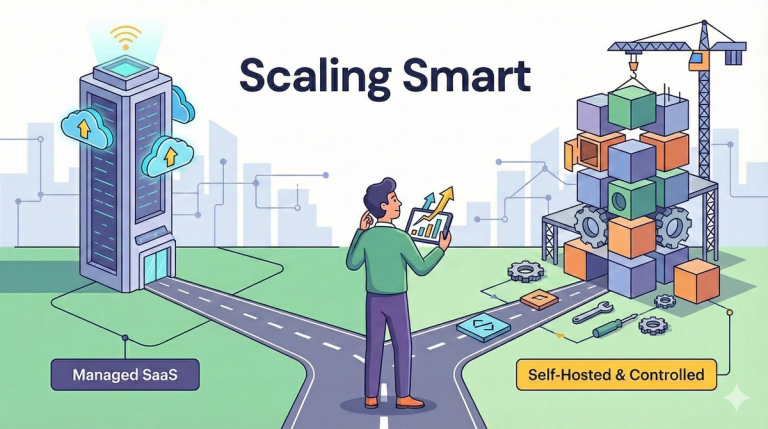
Headless CMS for Startups: Scale Fast, Dodge Enterprise Price Shocks
In this article, we compare two of the most common approaches to building a headless CMS for startups: managed SaaS platforms (with enterprise plans) and self-hosted architectures with controlled costs. The goal is to help you choose a stack for your startup that scales with your business, provides content flexibility, and avoids unexpected pricing. I'll also show that CMS migration handled by professionals isn't so daunting if you're already overpaying.
Best Headless CMS for Shopify: Sanity & Storyblok for Headless Commerce
Find the best headless CMS for Shopify. Discover why Sanity and Storyblok lead the pack with superior Shopify integrations, scalable architecture, and marketing workflows designed to help e-commerce teams move faster.

Payload CMS overview
Discover how Payload CMS combines the power of headless content management with developer-focused features for project flexibility and control.
Compare Best Open Source Headless CMS in 2026
Landing on a new open-source CMS platform can be a challenging step. Let’s compare leading open-source headless CMSs, such as Directus and Payload CMS, focusing on AI capabilities like automated content creation, tagging, and SEO optimisation. These features are crucial factors when choosing the best open-source CMS for your business.
Strapi vs Directus: The One CMS Your Marketing Website Actually Needs
Scaling beyond the SaaS ceiling? Choose Strapi or Directus for marketing websites. Discover the best choice for editorial speed, data managing, and AI logic in 2026.
A founder's guide to Webflow vs. Storyblok
Choosing between Webflow and Storyblok? This guide uncovers the hidden costs, migration traps, and long-term trade-offs to help you decide between Webflow's speed and Storyblok's power to scale.