Storyblok overview
This article delves into the best use cases, major advantages, and the full spectrum of what Storyblok can offer to developers and content editors.


Teams ready to migrate from Webflow to Storyblok are upgrading their entire content strategy. While Webflow is excellent for getting started, its page-centric model eventually hits a wall. As businesses scale, they face creative and technical limitations: slow performance, rigid templates, and a frustrating gap between marketing and development.
Migrating to a Storyblok and Next.js stack solves this. Storyblok’s component-based architecture frees your content from the page, empowering your marketing team with a visual editor they'll love while giving developers the modern, API-first environment they need. By choosing to migrate from Webflow to Storyblok, you move from a restrictive platform to a flexible, high-performance content engine built for growth.

A migration from Webflow to Storyblok is a high-stakes project that demands specialized knowledge. As an official Storyblok Partner and a specialized headless cms migration agency, our expertise lies in making this transition seamless and strategic. We understand the unique challenges of moving from Webflow's design-driven structure, where content is often trapped in static layouts.
We manage the entire migration process, starting with automated scripts to extract your Webflow Collections and pages. But our real value is in transforming that content into a powerful, component-based schema in Storyblok. We help you build a library of reusable "Bloks" that empowers your team to create new pages visually, without developer help.
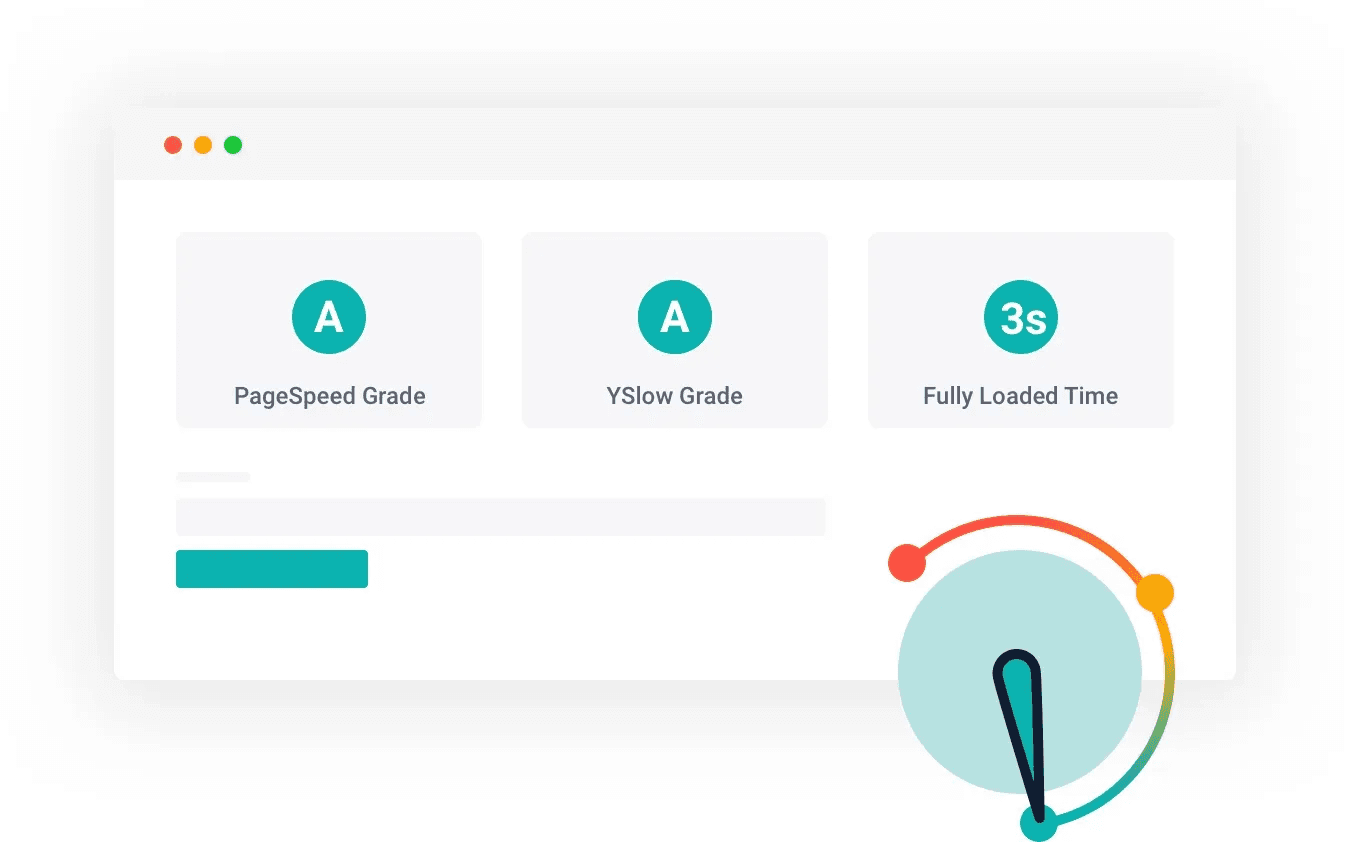
Simultaneously, our engineers build a pixel-perfect, high-performance Next.js frontend optimized for Core Web Vitals. The result is a scalable platform where marketing gains true independence through Storyblok's Visual Editor, and developers get a clean, modern stack to build upon.


Ready to replatform? Get a free, engineer-reviewed roadmap with exact timelines and budget ranges based on your site's actual footprint.
We export and restructure all pages, media, and SEO data from Webflow to match Storyblok’s component schema
We rebuild your frontend in Next.js with modular Storyblok blocks that your team can reuse and combine visually
We configure user roles, review stages, and live preview so your marketing team works independently
We connect Storyblok with your CRM, analytics, and automation tools, ensuring smooth content delivery and top performance
We handle the go-live process with a comprehensive SEO checklist to ensure a smooth transition. Afterward, we train your marketing and content teams to master Storyblok’s Visual Editor, build pages, and manage content

We design content models, editorial workflows, and governance into the architecture from day one to make your Information Architecture clean and usable as your team, markets, and channels grow.
Editorial UX boosts your marketing team's speed and freedom. They can build pages, launch campaigns, and manage content without needing developer help.

Each project includes a complete SEO + LLM optimization. Performance baseline as standard: Core Web Vitals, structured data, rendering strategy, and AI SEO setup.
Scalable Next.js architecture derived from 7+ years of experience.
Already live? Our Next.js SEO audit gives you an actionable, dev-ready assessment of where you stand.

90% of our projects fit the initial budget. That comes from the time we invest upfront — understanding exactly what we're building before a single line of code is written.
Our CMS Kit has page builders, navigation, localization, content models, and SEO settings. It boosts every engagement. Plus, it won’t limit your choices. It's a smart starter refined across dozens of production deployments, not a constraint.

Optimized for designing and publishing individual pages

Introduces a component-based content model that separates content from design, making it easier to scale and maintain over time
Content is often created specifically for individual pages
Structures content into reusable components that can be shared across pages, websites, and projects
Editor is optimized for designers working on layouts
Visual Editor lets marketers edit structured content with real-time preview, without touching design or code
CMS customization is limited to platform capabilities
API-first, allowing seamless integration with modern frontend frameworks, services, and custom tooling
Mainly used to publish individual websites
Enables centralized content management and delivery across websites, apps, eCommerce platforms, and other digital touchpoints
We picked FocusReactive over other partners because of their no-nonsense approach, technical know-how, experience and price. FocusReactive’s work has doubled SEO traffic in the first week and has received positive feedback from stakeholders. A lot of companies have layers of sales on top of them and if you don't plan in advance, you cannot get the resources needed. FocusReactive ensures that you are never blocked because they will prioritise for you.

"FocusReactive has been an exceptional partner, delivering all our requirements ahead of schedule. Their team feels like an extension of ours, understanding our strategy and anticipating our needs. They helped us build two modern, SEO-friendly marketing websites that our marketing team can easily manage without relying on developers. The team is incredibly talented, responsive, and always takes pride in their work. Thanks to FocusReactive, we've been able to scale our marketing efforts more effectively. We couldn’t have asked for a better partner."

FocusReactive completed the project on time and added extra tasks without compromising the schedule. As a result, the client was pleased with the new site's look and feel. FocusReactive held weekly virtual meetings to share accomplishments and questions. They were organized and flexible.

"FocusReactive helped us launch a high-performing website with 20% faster load times and 40% less manual work thanks to seamless integrations. DatoCMS also allowed our team to update content 50% faster, all delivered with clear communication and reliable project management."



Migration from Webflow to Storyblok
Typically 4–8 weeks, depending on design complexity and integrations
Yes. We migrate all meta data, redirects, and structure to preserve your search rankings
Yes, Storyblok’s visual editor lets you update any section live, without developer support
We review your current site, count unique components, analize your goals and then prepare a detailed migration plan and prepare t-shirt estimations with the business proposal




.png&w=1920&q=75)