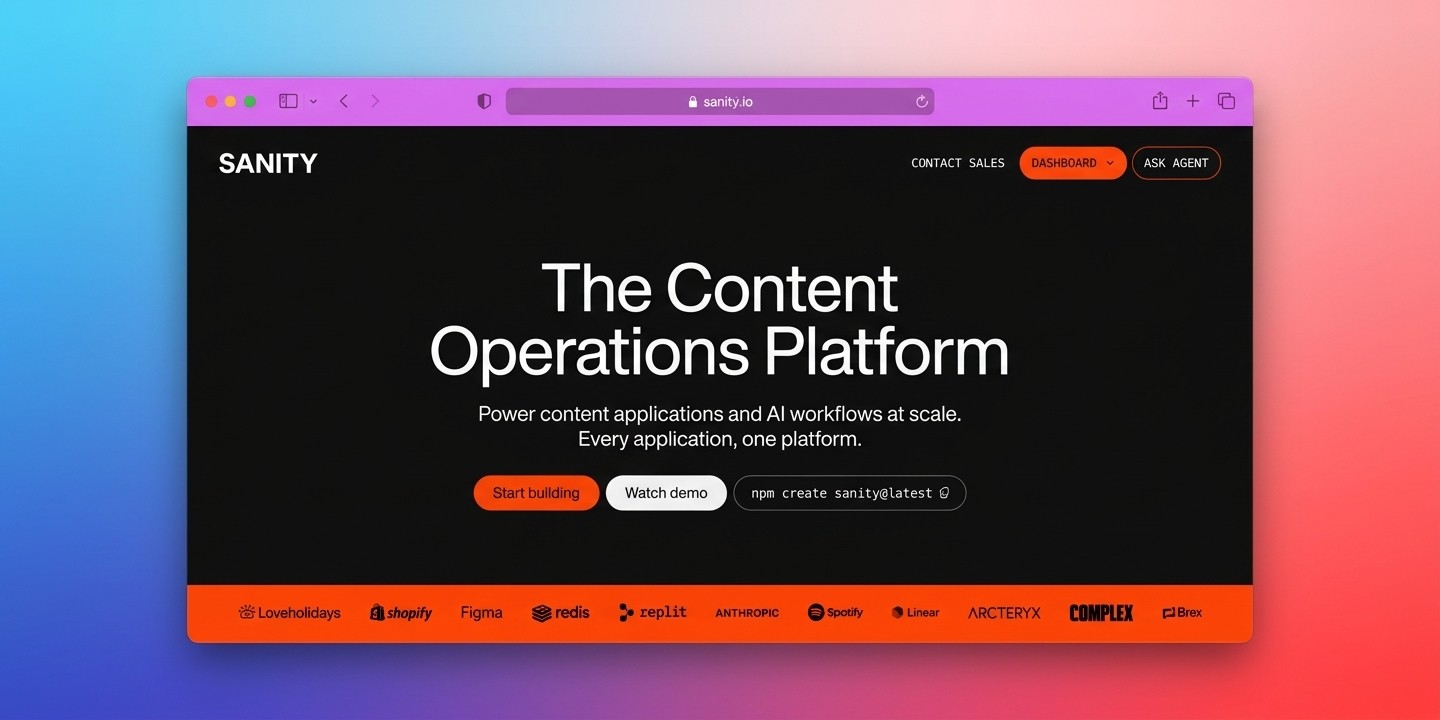

Sanity websites are very popular today. This content platform stands out in the content management space because it reimagines how content is stored and delivered.
This shift is reflected in the market’s growth. According to Future Market Insights’ Headless CMS Software Market report, the global market is expected to grow from $1.19 billion in 2026 to $9.16 billion by 2036. The growing demand reflects how businesses are looking for more flexible ways to save the budgets, manage content faster and easirt, support multiple digital experiences, and scale without being tied to a single frontend.
Headless platforms like Sanity meet these expectations with:
- Omnichannel Delivery Because content is decoupled from the frontend design, a single update in Sanity can instantly populate a website, a mobile app, a digital billboard, and an in-store kiosk simultaneously.
- Real-Time Collaboration Sanity Studio offers a Google Docs-style editing experience where multiple team members can draft, edit, and publish content concurrently without locking each other out.
- Developer Flexibility It integrates seamlessly with modern frontend frameworks (like Next.js) and e-commerce engines (like Shopify), allowing developers to build lightning-fast, highly customized user interfaces without being constrained by rigid templates.
- Scalability It handles complex, multi-language, and multi-region content models effortlessly, making it the backbone for global brands that need strict governance alongside editorial freedom.
Before the examples, a disclaimer: this isn’t a sales pitch.
Sanity isn’t the right fit for every project across the globe, and we don’t recommend it as one. It ships with no frontend, so every Sanity website needs a development team to build and maintain it. A small business that just wants a simple brochure site will usually get there faster and cheaper with Webflow or WordPress. Usage-based pricing also needs planning once traffic, API requests and asset volumes grow.
Sanity makes the most sense when a business has several content management challenges to solve at once.
- Content needs to work across websites, apps, and other channels.
- Editors need clear workflows that fit the style and way their teams actually work, while developers want the freedom to build fast, flexible websites without being limited by inner CMS settings.
- If you need to add multiple languages, markets, and growing content libraries,
Sanity brings these needs together in one flexible platform, making content easier to create, manage, and deliver without relying on a patchwork of tools and workarounds.
Why we love Sanity CMS
We’ve been an official Sanity partner since 2020 and have built dozens of projects on it. We love Sanity websites for cleaner layouts, consistent UI, custom animations and transitions, and general design flexibility. We love the freedom that helps to adjust/everything to your needs. Sanity websites feature clean layouts, modern typography, rich visuals, and smooth interactions. And all this, again, thanks to the flexibility of the headless architecture that allows developers to build a frontend around the brand rather than adapt the brand to a ready-made CMS theme.
What keeps us coming back is control on both sides: editors get a customizable Studio that fits their workflow, and developers define schemas in code and query exactly what they need with GROQ. That structure also makes Sanity a strong foundation for AI. We also build custom content agents on top of it, and Sanity’s MCP server allows those agents work directly with content and assets.
Best Sanity Websites Across Different Industries
Enterprise & Fortune 500 Titans
Massive global corporations, not just creative web agencies and startups, rely heavily on Sanity for its security, multi-locale translation capabilities and omnichannel content syndication needs.
1. Burger King
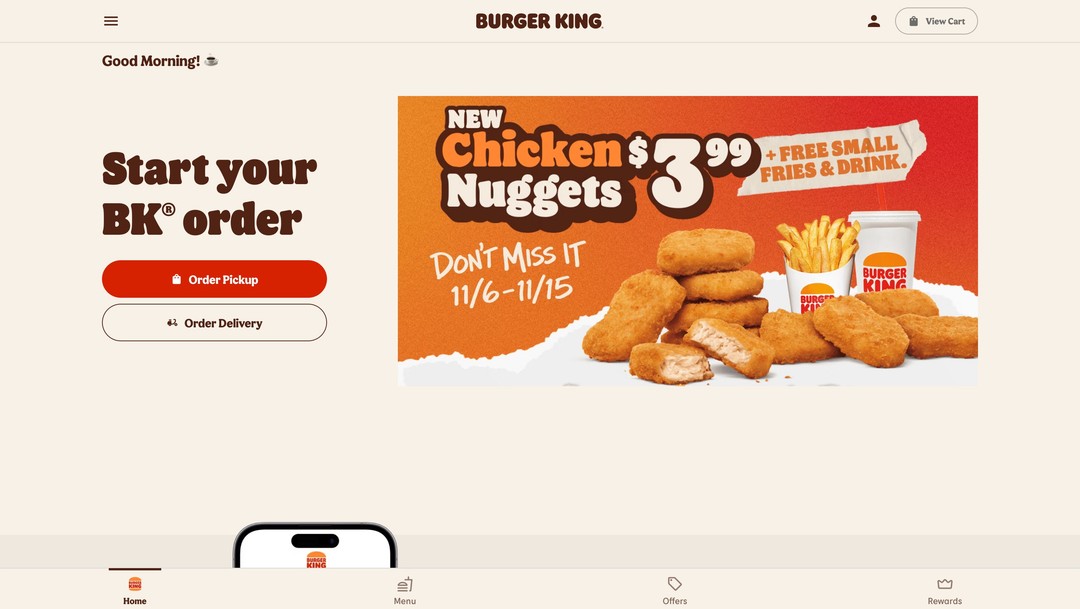 Burger King main site
With thousands of franchises around the globe, Burger King needs a robust content database to handle menus, promotions and location data. Burger King uses Sanity’s highly programmable infrastructure to simultaneously deliver dynamic content to web, mobile apps, and in-store digital kiosks.
2. Telenor Group
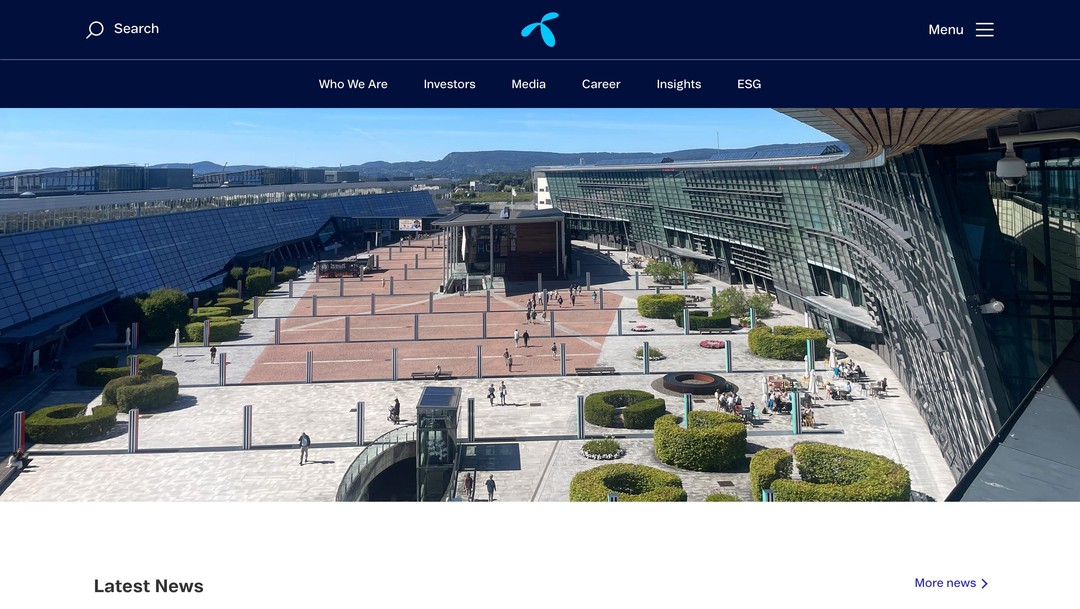 Telenor group
Telenor is a massive multinational telecom firm dating back to 1855. The platform is also built on Sanitiy CMS, and it allows them to manage complex regulatory content, plan details and corporate communications across multiple European and Asian markets from a single source of truth.
3. Burlington Stores
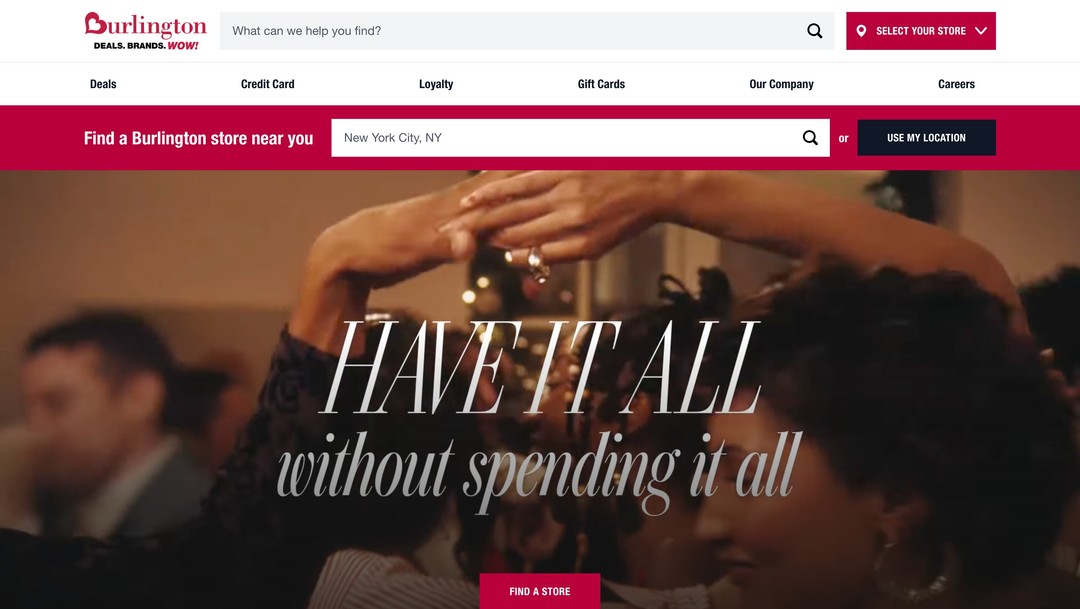 Off-Price
The retailer uses Sanity to easily update product information, inventory, and promotions. This helps Burlington Stores website stay current during busy shopping seasons and when it adds more and more new product categories.
4. ADT
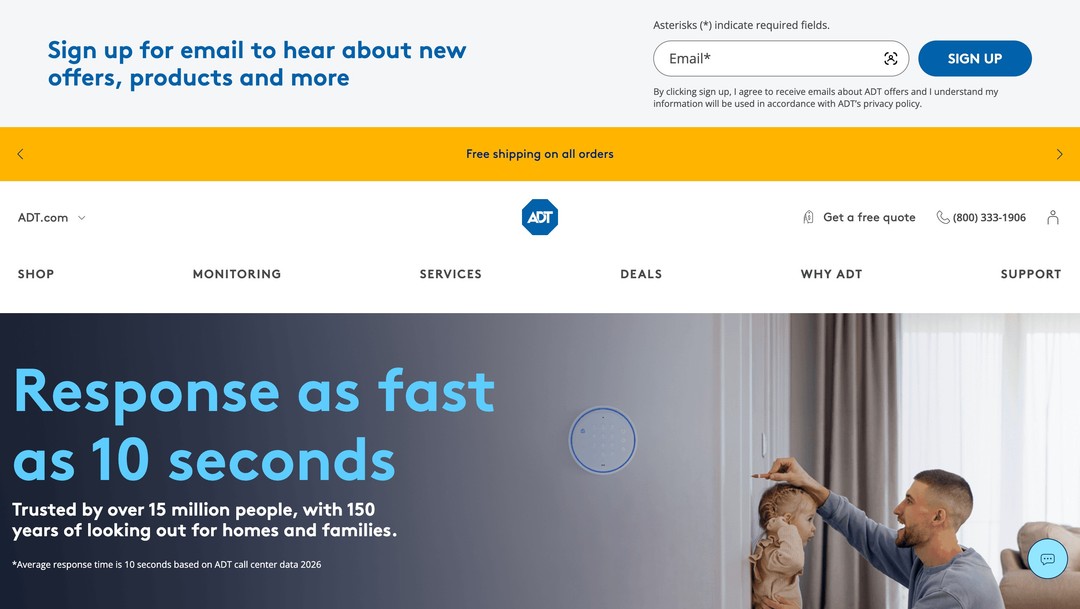 Home-Security-Systems
This is the Sanity based website of home security systems. ADT relies on Sanity for consumer service pages, educational security resources, and complex hardware catalogs, providing a fast, reliable user experience across their corporate and consumer-facing portals.
Tech, SaaS & Digital Innovators
Technology companies inherently demand highly programmable, developer-friendly platforms. It is no surprise that some of the most advanced software companies in the world use Sanity to power their own marketing and documentation sites.
5. Intercom
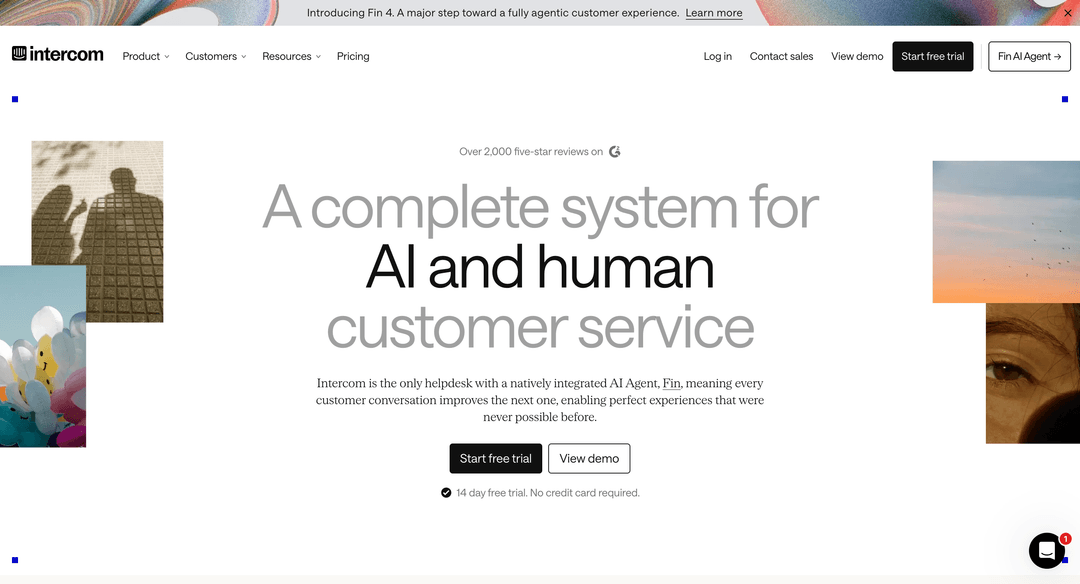 Intercom
, a popular customer support platform from Dublin, Ireland, needs little introduction. It is an AI-powered customer service platform that helps businesses manage customer conversations, support requests, and AI-powered interactions. The company also uses Sanity.
6. Cloudflare
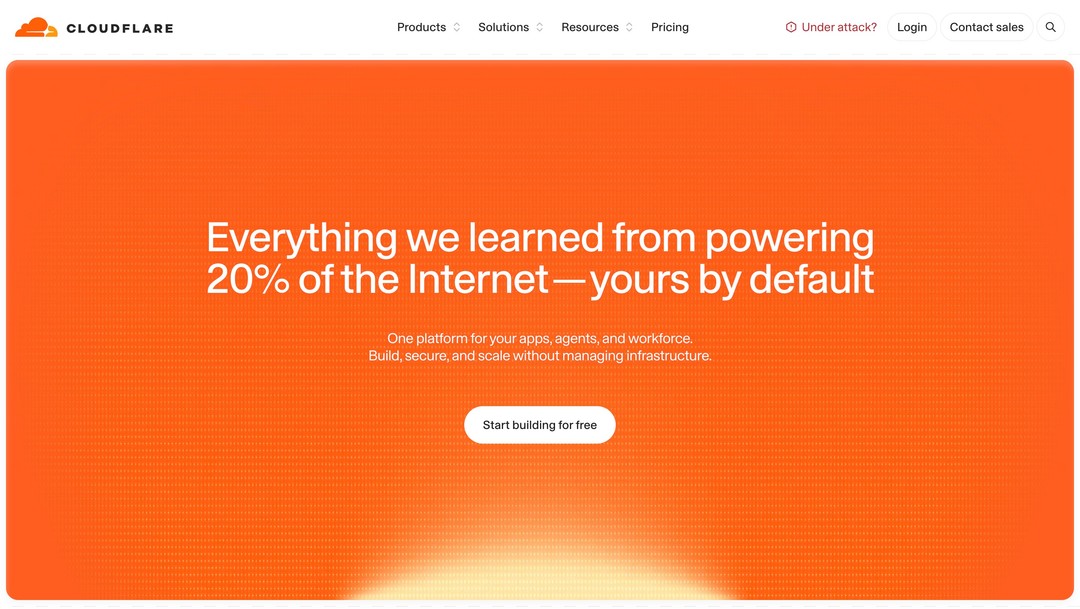 Cloudflare proxy
Well-known Cloudflare provides businesses with services such as a CDN, DDoS protection, DNS, and load balancing to improve website speed, security, and availability. The security leader also uses Sanity. The site cleanly organizes highly technical, real-world development projects into dark-themed category sections, utilizing rich media and code snippets seamlessly.
7. Anthropic
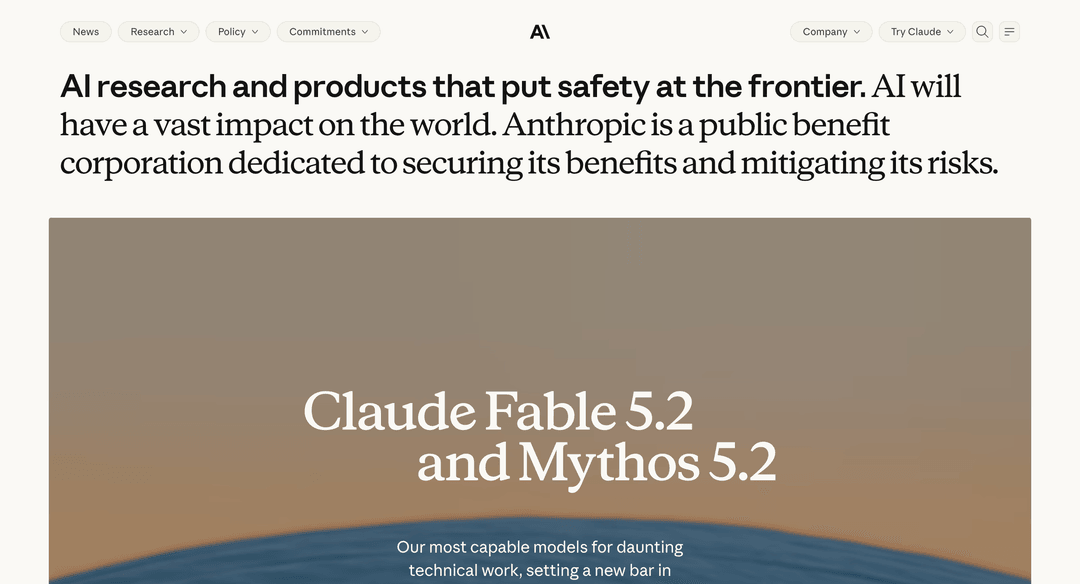 Anthropic main page
As a leader in artificial intelligence, Anthropic requires a website that reflects cutting-edge technology. Sanity provides them with precise, secure content architecture needed to publish rapid research updates, API documentation, and corporate announcements to a global developer audience.
8. Figma
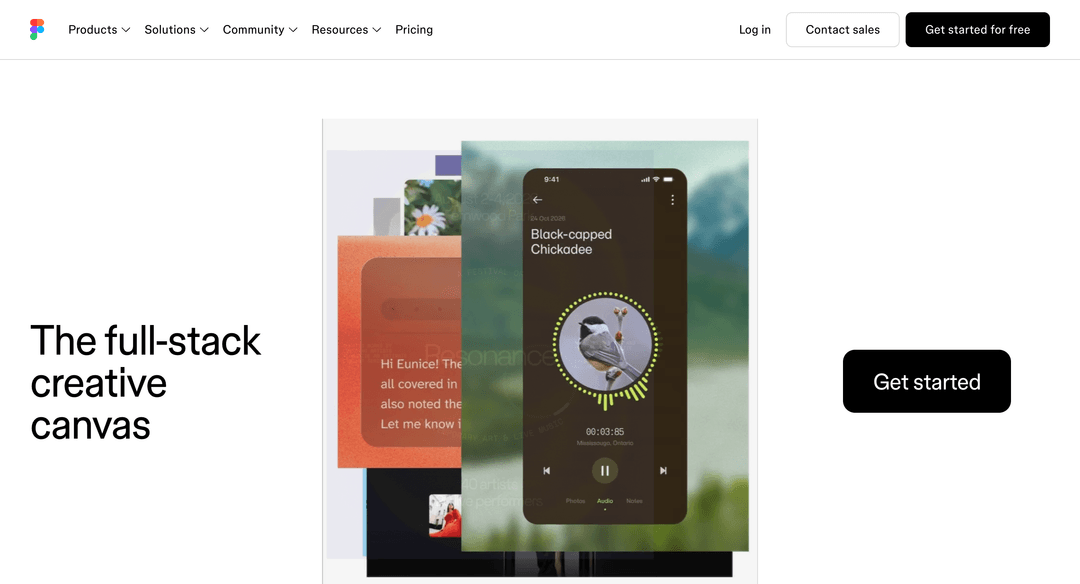 Figma img
The collaborative design platform uses Sanity to manage its vast repository of community resources, plugin directories, and marketing pages. The API-first nature of the CMS aligns perfectly with Figma’s own ethos of modular, accessible design.
9. Linktree
 linktree
Linktree uses Sanity to manage its website content and marketing pages, giving its team the flexibility to create, update, and scale content across its digital presence. The structured content approach supports consistent messaging and makes it easier to manage a growing range of products, features, and resources.
High-Performance Headless E-Commerce
Sanity is often paired with front-end frameworks like Next.js and e-commerce platforms like Shopify Plus to create fast, flexible shopping experiences without the limitations of monolithic templates.
Because content is delivered as structured data through a globally distributed API CDN, Sanity-powered websites can use static generation and incremental revalidation to keep load times low and Core Web Vitals strong, even across large product catalogs.
10. Puma
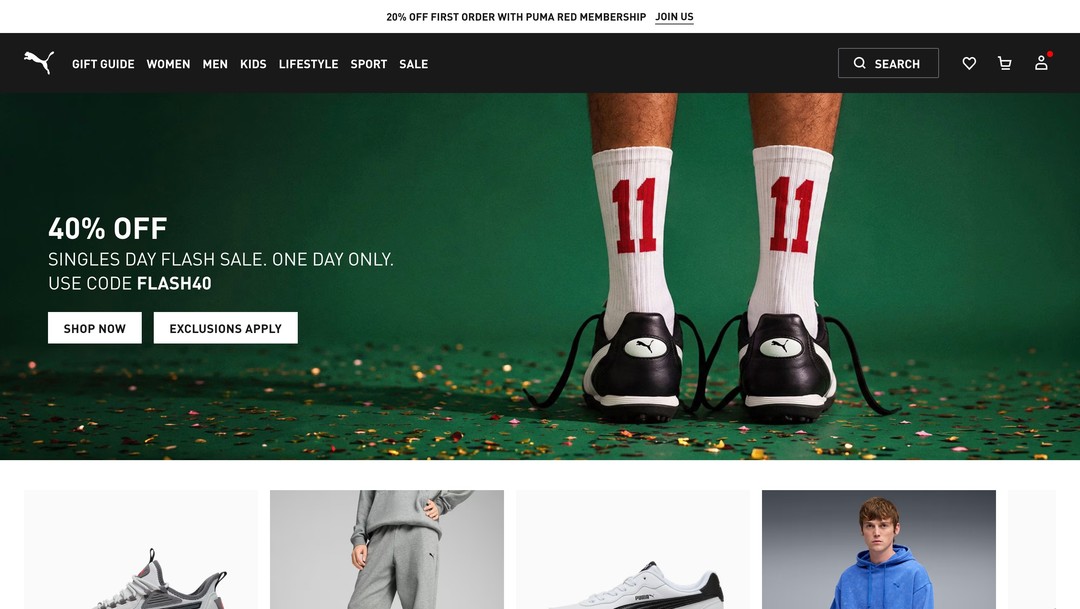 Puma store
This global sportswear giant utilizes Sanity to drive a massive headless commerce experience. By treating content as data, Puma maintains a fast, modular architecture that allows them to instantly push new campaigns, product drops, and athlete endorsements across multiple global regions without frontend lag.
11. Blueland
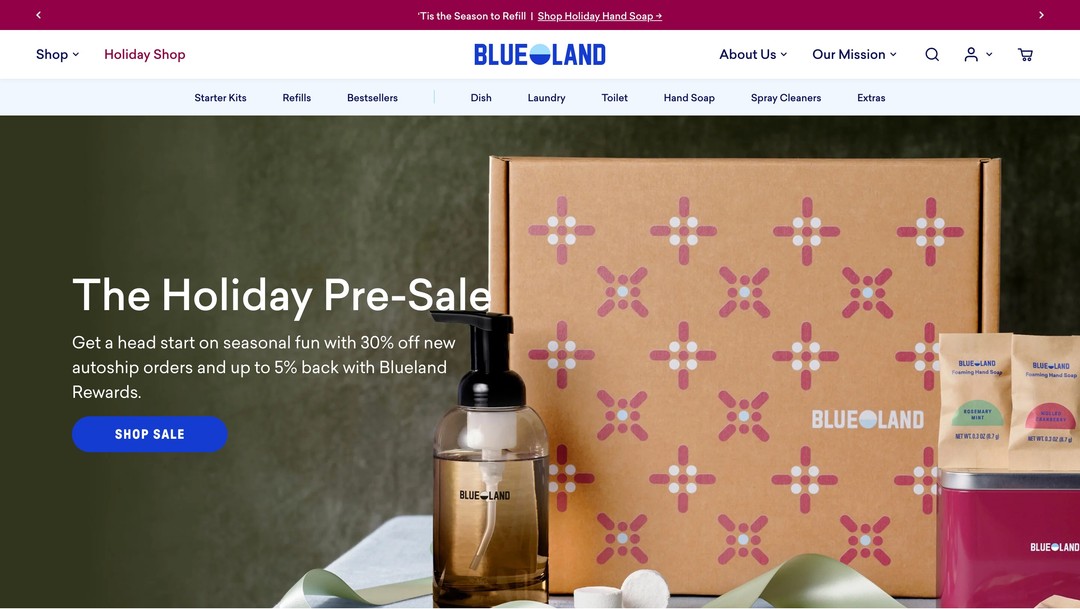 Blueland
Known for high-conversion sustainability products, Blueland pairs Shopify with Sanity to create structured, guided purchasing flows. The headless setup allows them to integrate complex subscription models and educational environmental content directly into the checkout funnel without sacrificing page speed.
12. Kotn
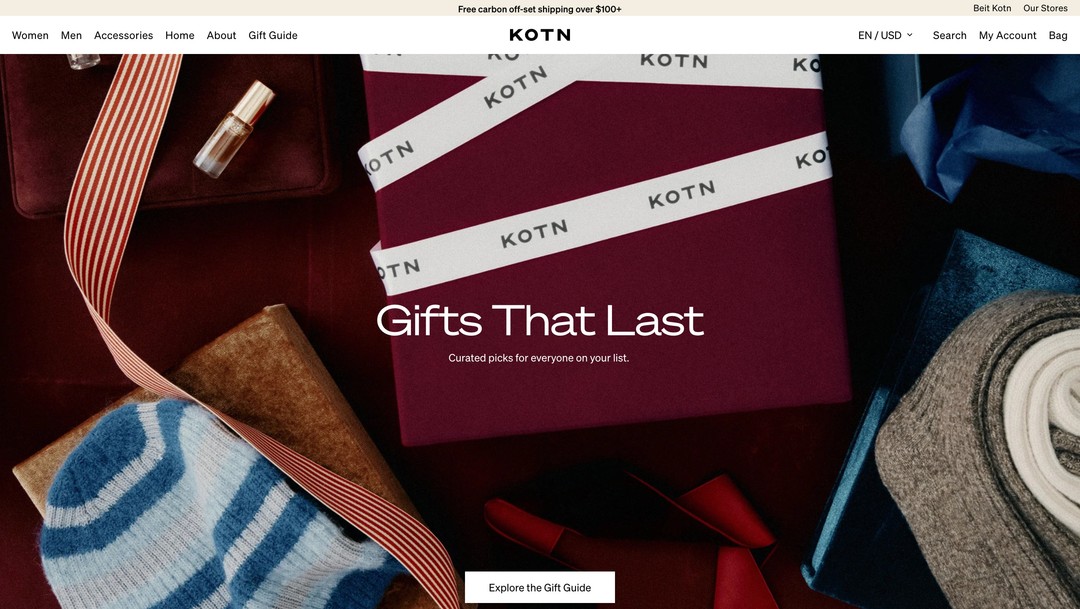 Kotn
Kotn fashion brand uses Sanity CMS with its minimalist, editorial-driven UX. Instead of standard product grids, Kotn weaves deep brand storytelling—such as the origins of their Egyptian cotton—seamlessly into the shopping experience, creating a narrative-first commerce journey.
13. Tecovas
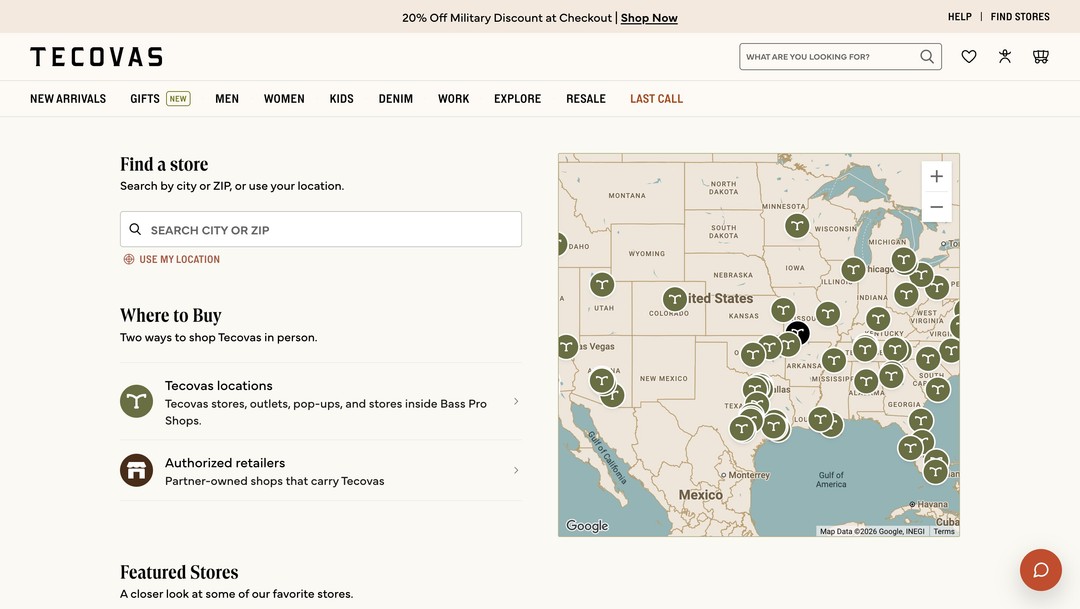 Tecovas
This Austin-based Western boot brand moved its storefront to Sanity and Shopify Hydrogen. Product data now flows automatically from NetSuite through Sanity to Shopify, with no manual re-entry. Launching a product now takes under 20 minutes instead of days, and during Black Friday the team updated 10,000 SKUs in under 30 seconds with a single API request. When their limited-edition Chili’s collaboration boots launched, they sold out in under two minutes while the site handled 35,700 sessions in one hour.
14. MR MARVIS
 Mr Marvis
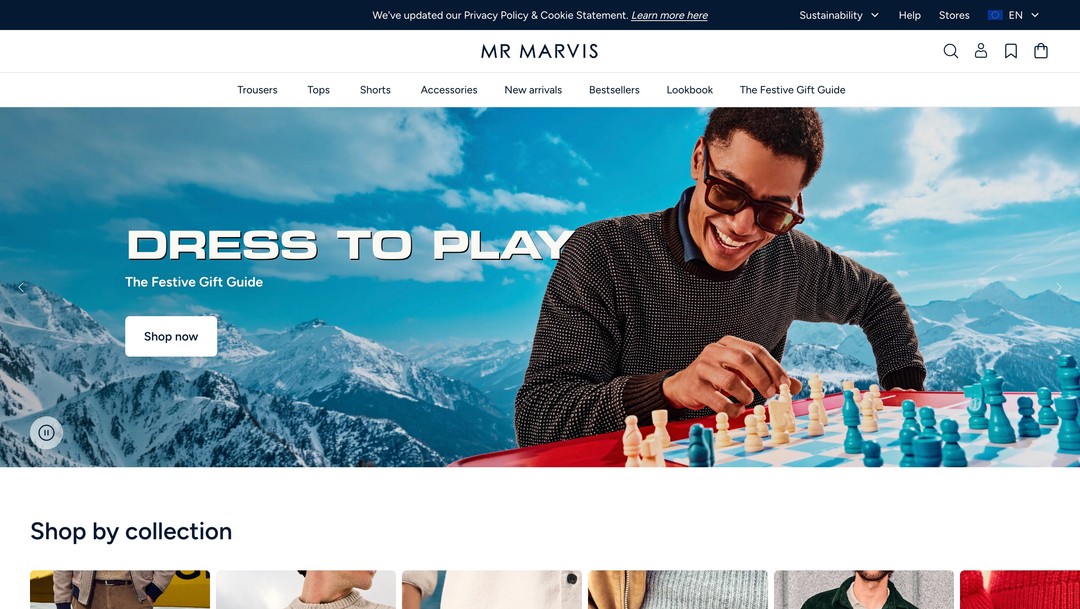
The Dutch menswear brand found that customers loved its lifestyle photos, but couldn’t tell which products the models were wearing. Now editors can click on items in existing images and link them to products using Sanity’s hotspot plugin. It took us 2 days to build this feature and it increased our average order value by 9.7% — with no new photography.
Luxury, Wellness & Design-First Brands
For ambitious brands where aesthetic precision is non-negotiable, Sanity’s unopinionated backend allows UI/UX designers to push the boundaries of digital artistry without being constrained by rigid CMS templates. While we haven’t come across many examples in this segment yet, more and more brands are choosing headless Sanity for design-focused websites.
15. D.S. & Durga
 D-S-DURGA
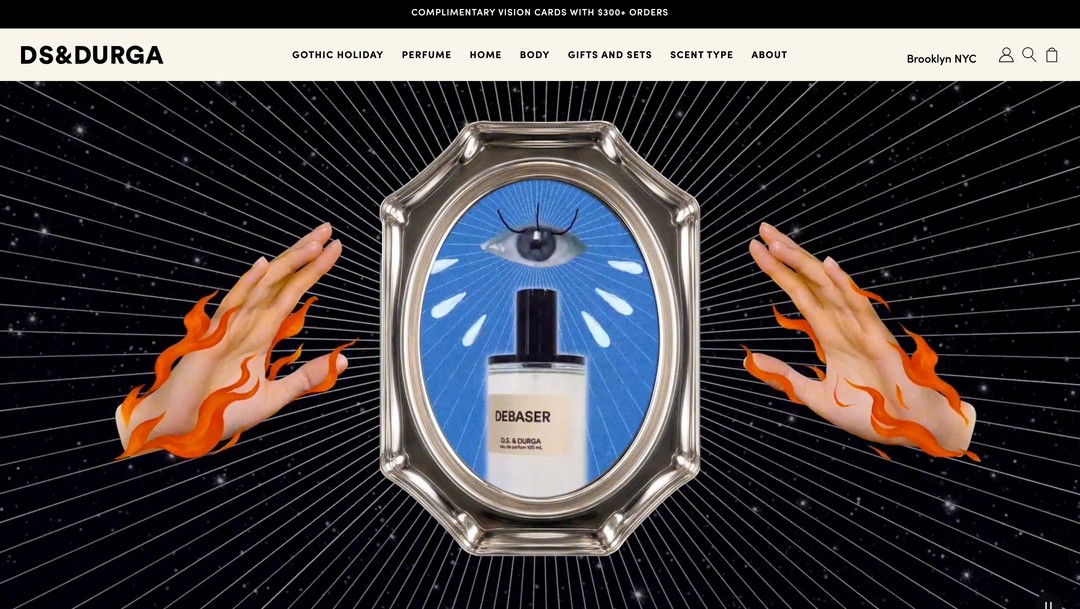
This is another example of Sanity website, this independent luxury fragrance house stands out as a masterclass in immersive storytelling. They create rich, artistic product pages that pair evocative imagery, curated Spotify playlists, and unconventional typography to sell an experience rather than just a physical product.
16. The Feelist
 The-Feelist
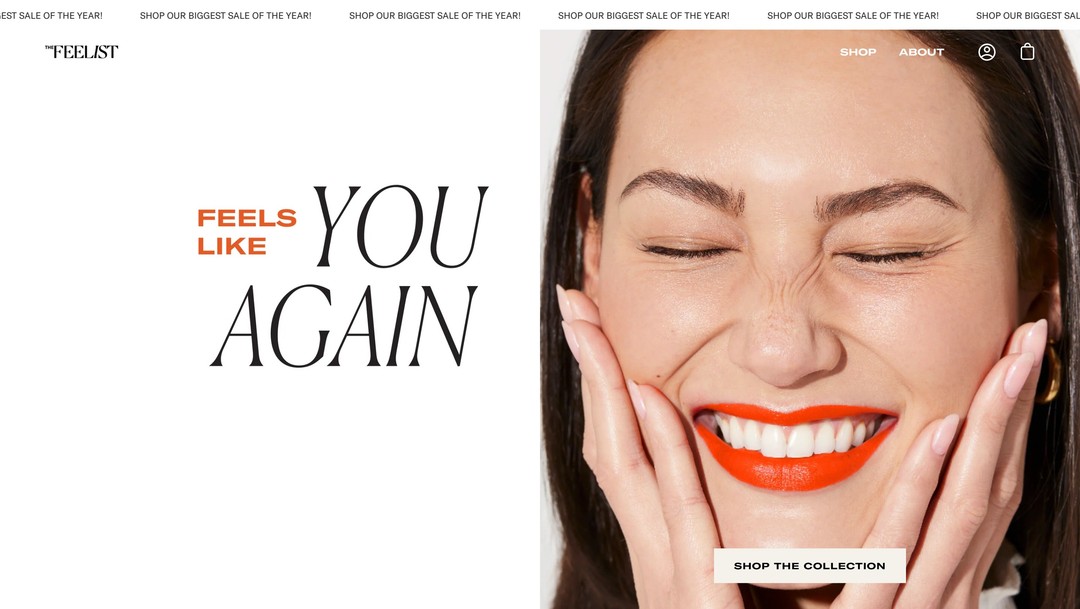
Operating at the intersection of wellness and beauty, The Feelist relies on a soft, content-first layout. Sanity allows their editorial team to effortlessly interweave blog content, skincare routines, and shoppable products into a unified, calming digital journey.
17. Pursoma
 Pursoma
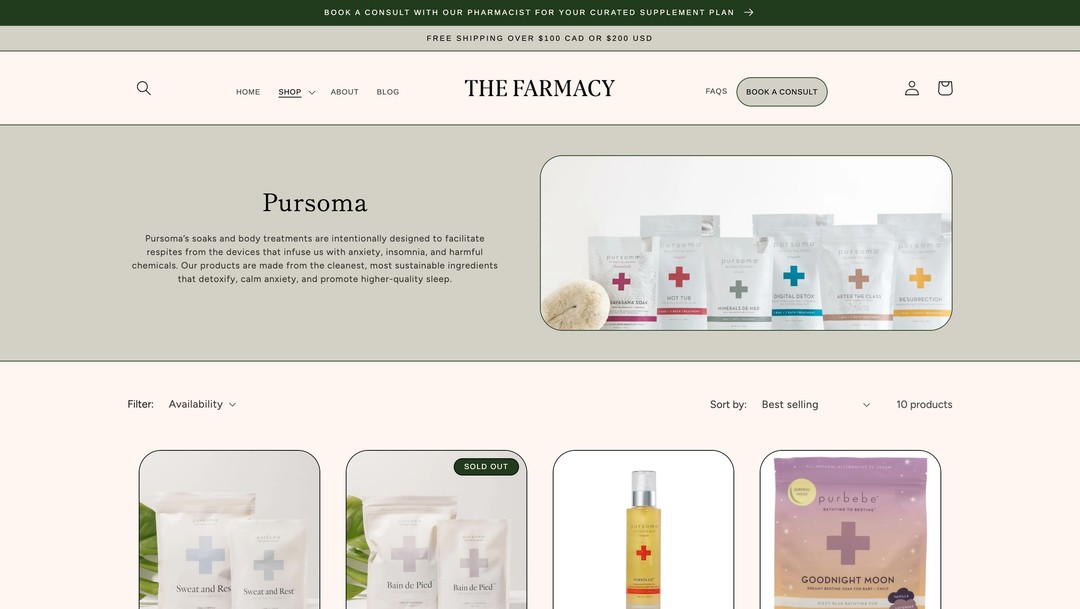
Focused on natural products and digital detoxing, Pursoma uses Sanity platform to maintain a serene, minimal digital environment. The flexible schema ensures that the brand’s quiet, emotional UX remains consistent from the homepage straight through to the checkout cart.
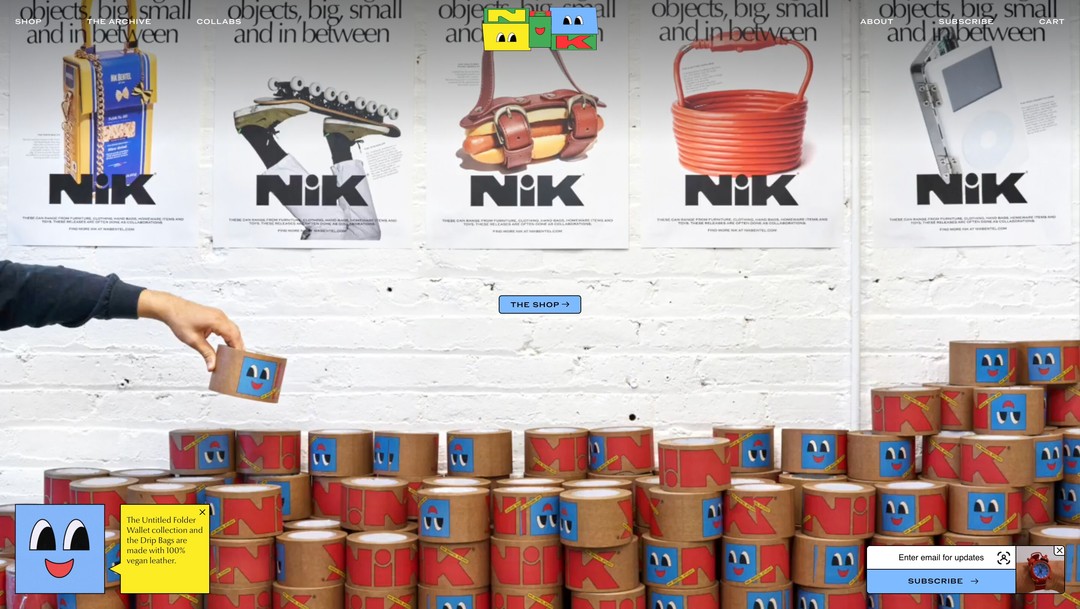
18. Nik Bentel
 Nik-Bentel-Studio
This designer portfolio utilizes Sanity to maintain a playful, streetwear-inspired aesthetic. Featuring blocky typography and interactive 3D elements, the site demonstrates how artists can use headless infrastructure to build highly unconventional, deeply personal digital spaces.
Media, Travel & Publishing
For organizations whose primary product is content itself, the content software must handle massive archives, complex taxonomies, and multi-author editorial workflows.
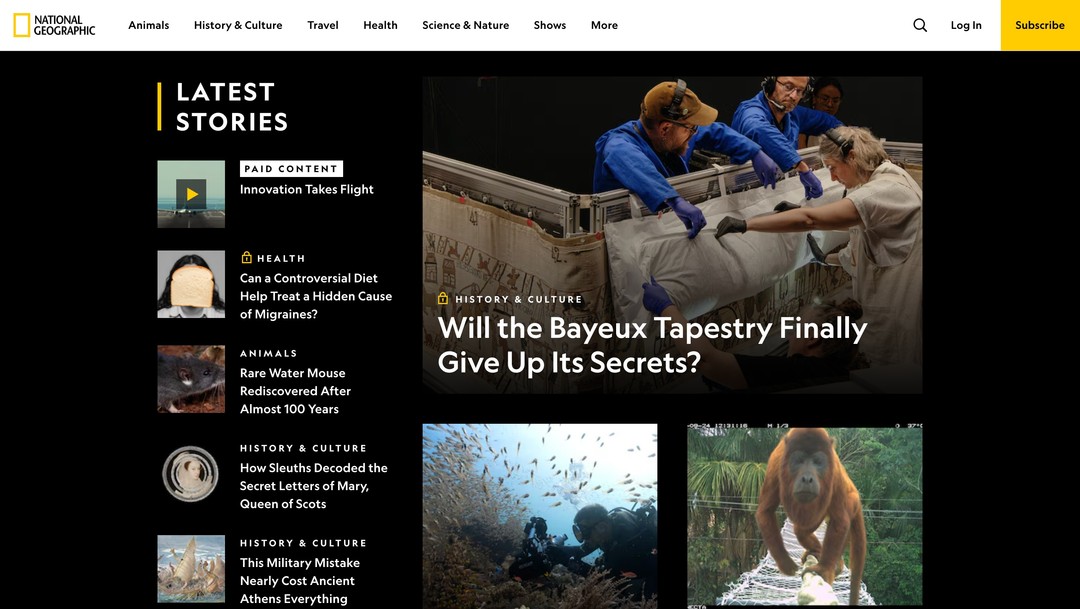
19. National Geographic
Managing thousands of high-resolution images, long-form articles, and interactive maps requires an industrial-grade content system. Sanity allows National Geographic to structure its vast media library efficiently, ensuring fast delivery to readers worldwide.
 National Geographic
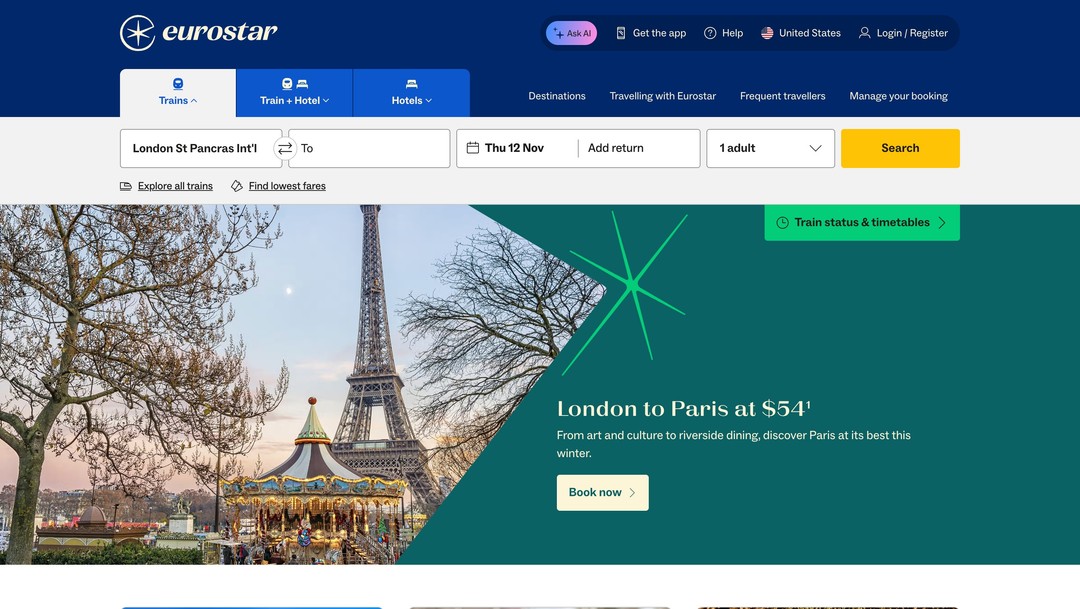
20. Eurostar
 Europe-Train
The European rail service is also built with Sanity. It organizes a complex matrix of travel destinations, scenic imagery, and real-time booking integrations. The headless architecture allows them to dynamically price routes (e.g., “Paris from $52”) directly within rich editorial travel guides.
21. Spotify
 spotify
Hello, music lovers. The Swedish streaming giant uses Sanity across various corporate and marketing touchpoints to ensure brand consistency. The platform’s real-time collaboration features empower global teams to spin up landing pages for new artist campaigns and podcasts instantaneously.
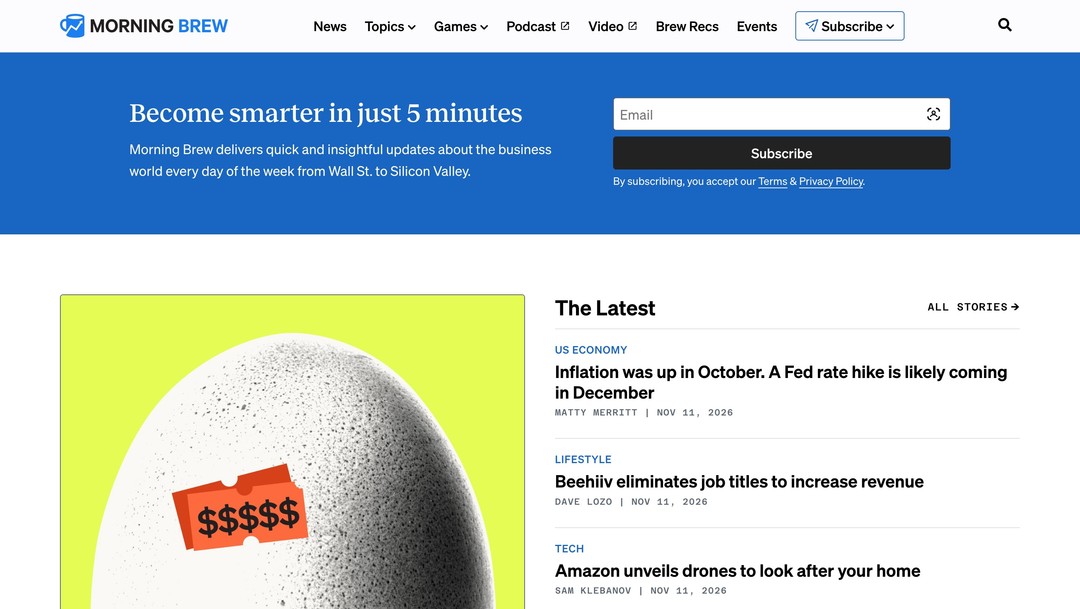
22. Morning Brew
 Morning-Brew
Morning brew also uses Sanity headless CMS. The newsletter company runs 13 brands and sends over 2 billion emails a year with just six engineers. Instead of one generic admin panel, it built three custom Sanity Studios on a shared Content Lake: Astra for editorial, Meteor for ad operations, and Partner Desk for advertisers submitting sponsored content.
More Sanity CMS Website Examples
Expanding beyond the biggest enterprise titans, here are several more examples of how diverse industries utilize Sanity CMS for their digital architecture:
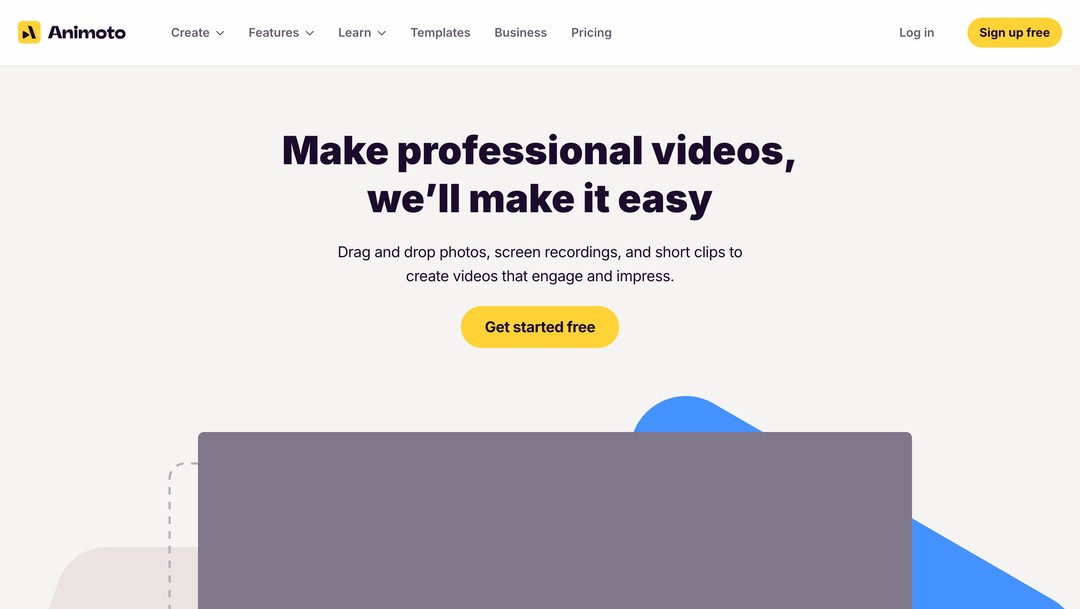
23. Animoto
 Animoto
 is a Sanity website example of the popular video creation SaaS platform. With Sanity, the team manages its marketing and product pages, easily combining product mockups, dynamic video examples, and clear, conversion-focused CTAs.
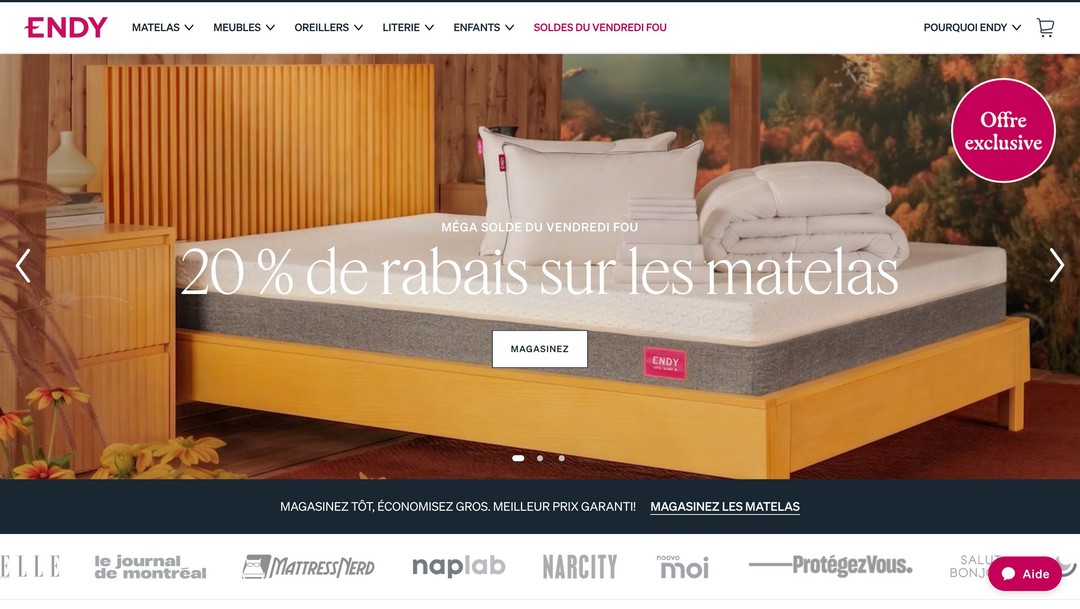
24. Endy
A leading Canadian mattress brand, Endy uses a Sanity-powered architecture to manage high-volume e-commerce traffic. The flexible content modeling allows them to effortlessly update promotional banners, like their “FREE Sleep Bundle” campaigns, across the entire site.
 Endy
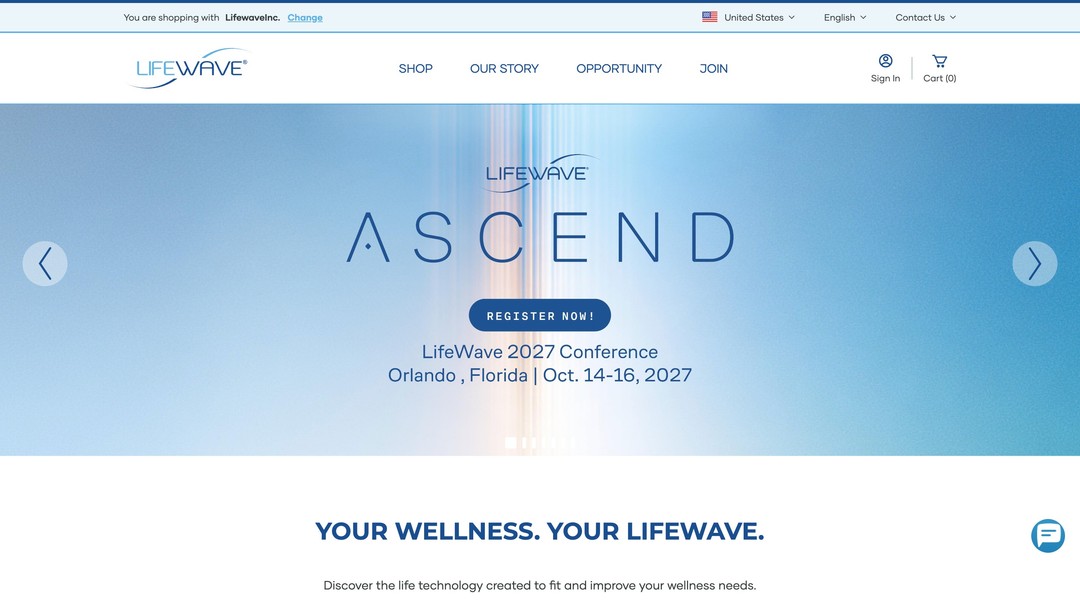
25. LifeWave
 LifeWave
Representing a massive enterprise implementation, LifeWave utilizes Sanity to handle global content operations and scalability. The headless structure ensures their complex backend systems translate into a seamless, unified frontend experience for users worldwide.
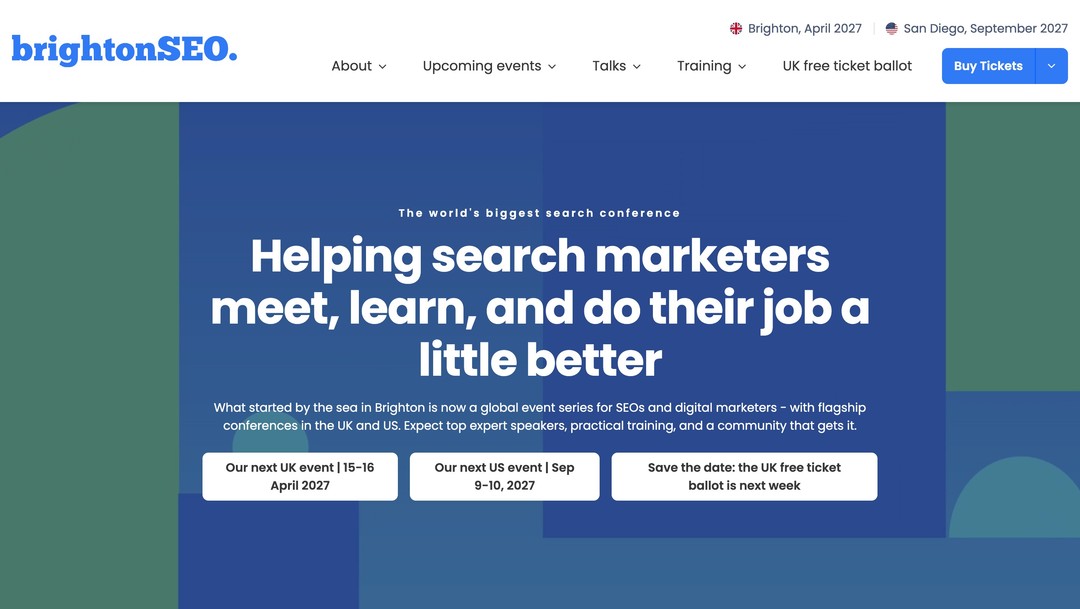
26. BrigthonSEO
 brightonSEO
This is another big name for marketers, as this is the site of one of the biggest conferences for digital marketers. brightonSEO is a good example of how Sanity can transform a large, content-heavy event website. After outgrowing WordPress, the world’s largest SEO conference rebuilt its site on a headless stack using Sanity and Next.js, enabling a faster, more flexible experience for speakers, attendees, and content teams.
Sanity Website Development and Maintenance
As you’ve understood from our show cases, Sanity CMS is used worldwide across a diverse range of industries, powering digital experiences for technology companies, SaaS providers, e-commerce brands, media organizations, travel businesses, healthcare providers, financial services, and creative agencies. Its adoption extends beyond traditional corporate websites to include large-scale content platforms, product catalogs, business directories, editorial publications, and interactive digital experiences.
FocusReactive is an official Sanity partner offering turnkey Sanity services, from migration and development to ongoing maintenance. One of our largest documented Sanity migration is Caleffi: a large-scale move from Magento to Shopify Plus, Sanity, and Next.js for a complex, multi-market platform with 24,000+ SKUs, 5,613 pages, four languages, and ERP integration.
By replacing fragmented legacy workflows with a structured, flexible content platform, we simplified Caleffi’s content operations, improved collaboration across markets, and made updates and launches faster and easier to manage.
What else?
We help businesses move on from legacy platforms and build better content workflows without disrupting the business. Less time wrestling with the CMS, faster launches, and content teams that can focus on creating rather than figuring out how things work.
Thinking about moving to Sanity? We know the platform inside out (and have handled a few migrations along the way). Get in touch and let’s talk.

 Eugene Boruhov